Fish Allergy: Symptoms, Safe Fish and Scombroid Poisoning
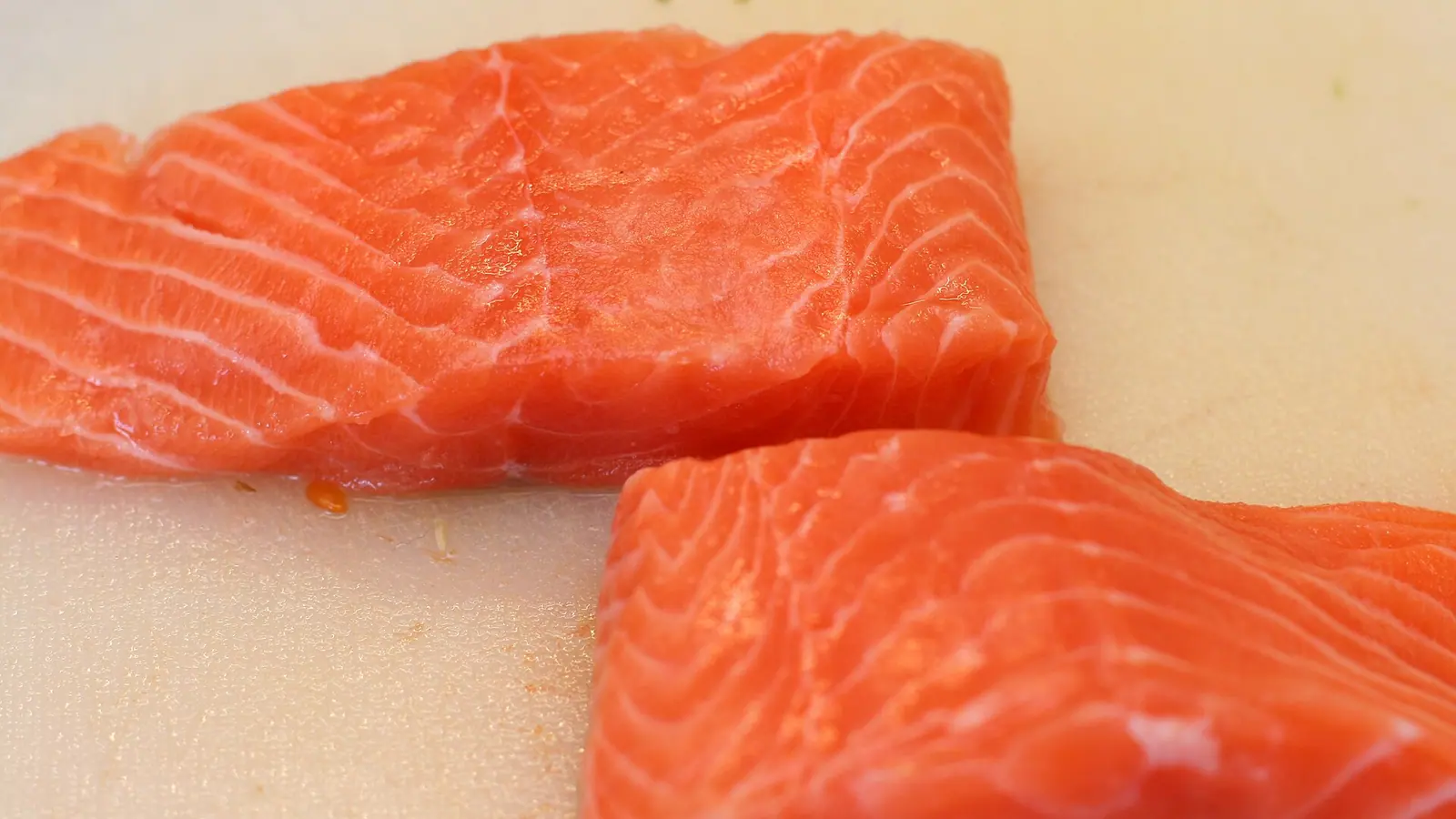

What is a fish allergy? A fish allergy is an immune reaction to proteins in finned fish, such as salmon, tuna or cod, that can cause hives, vomiting, wheezing or anaphylaxis. Unlike many food allergies that mainly affect young children, seafood allergy is more common in adults. It’s a separate allergy from shellfish, so shrimp, crab and lobster are a different question.
Emergency: Trouble breathing, throat swelling, repeated vomiting or fainting after fish can be anaphylaxis. Use an epinephrine auto-injector if one has been prescribed and call 911. See our guide to anaphylaxis symptoms.
Fish allergy symptoms
Symptoms usually begin within minutes to two hours of eating fish:
- Hives, itching or flushing
- Swelling of the lips, face or throat
- Nausea, vomiting or belly cramps
- Sneezing, coughing or wheezing
- Dizziness or fainting in severe reactions
How common is it?
In a random U.S. telephone survey of nearly 15,000 people, Sicherer and colleagues estimated fish allergy at about 0.4%, and found seafood allergy was more common in adults than in children. A larger survey of 40,443 adults by Gupta and colleagues put convincing fin fish allergy at about 0.9% of U.S. adults.
Is any fish safe?
The traditional advice is to avoid all fish, because the main fish allergen, a protein called parvalbumin, is similar across many species. Recent reviews suggest that’s often more than needed.
A review by Dijkema and colleagues sorts patients into three groups: those who react to nearly all fish because of parvalbumin, those who react to only one species, and those who react to a few. Supervised food challenges can find safe species for many people in the last two groups. Even people who react broadly often tolerate tuna and mackerel, which contain less parvalbumin, especially when canned or processed.
Kalic and colleagues add a caution: commercial tests don’t cover every fish species, so a negative test isn’t proof of safety. Any reintroduction should be done with an allergist, not at home.
Fish vs shellfish
Fish and shellfish are biologically unrelated, and their main allergens are different. Many people allergic to one eat the other without trouble. The catch is cross-contact: seafood restaurants, fish markets and fryers often handle both. Our guide to shellfish allergy covers the other side.
Reading U.S. labels for fish
Fish is one of the nine major food allergens, so the FDA requires packaged foods to declare it. The label must identify the food source; the FDA’s own examples of fish are bass, flounder and cod, so expect to see the kind of fish named, as in “Contains anchovy.”
Fish turns up in places people don’t expect:
- Worcestershire sauce and Caesar dressing (anchovies)
- Fish sauce in Thai, Vietnamese and other Asian dishes
- Imitation crab (surimi), which is made from fish
- Some pizza toppings, dips and spreads
- Fish oil supplements (dietary supplements must declare major allergens too)
Restaurant food isn’t covered by allergen labeling, so ask how dishes are made and what oil or fryer is used.
Scombroid poisoning isn’t an allergy
Flushing, headache, hives and diarrhea soon after eating tuna, mackerel or mahi-mahi can be scombroid poisoning. It comes from histamine that builds up in fish that wasn’t kept cold enough, not from the immune system. A review by Thomas and Thomas describes it as one of the conditions that look like an allergic reaction but aren’t.
The difference matters: someone who had scombroid poisoning isn’t allergic to fish and doesn’t need to avoid it for life. If you aren’t sure which it was, an allergist can sort it out with testing.
For the other major allergens and how diagnosis works, see our main guide to food allergies.
More in Food allergies

Food Allergies: The 9 Major Allergens, Symptoms and Labels
Food allergies, from the nine major U.S. allergens to symptoms and anaphylaxis, which tests work, how to read labels, and what's new from the FDA.
Tree Nut Allergy: Which Nuts Count, Symptoms and Labels
Tree nut allergy: the 12 nuts the FDA counts, why coconut is now off the list, cross-reactions, symptoms, testing and reading U.S. food labels.
Anaphylaxis Symptoms: Signs, What to Do and Epinephrine
Anaphylaxis symptoms to act on: the warning signs doctors use, why epinephrine comes first, the nasal spray option, and what to do after a reaction.
Shellfish Allergy: Symptoms, Labels and the Iodine Myth
Shellfish allergy: crustaceans vs mollusks, symptoms, why it's so common in adults, what U.S. labels must show, and why iodine isn't the cause.
Sources & further reading
- U.S. Food and Drug Administration — Food allergies: fish as one of the nine major food allergens and foods not covered by allergen labeling.
- U.S. Food and Drug Administration — Consumer update "Have food allergies? Read the label," with bass, flounder and cod as examples of fish allergens.
- Journal of Allergy and Clinical Immunology — Sicherer and colleagues, 2004: random U.S. telephone survey of 14,948 people estimating fish allergy at 0.4% and finding seafood allergy more common in adults than children. DOI: 10.1016/j.jaci.2004.04.018.
- JAMA Network Open — Gupta and colleagues, 2019: survey of 40,443 U.S. adults estimating convincing fin fish allergy at 0.9%. DOI: 10.1001/jamanetworkopen.2018.5630.
- Clinical Reviews in Allergy & Immunology — Dijkema and colleagues, 2022: review showing that many fish-allergic patients can safely eat some species after testing, and that even broadly allergic patients often tolerate tuna and mackerel. DOI: 10.1007/s12016-020-08806-5.
- Frontiers in Allergy — Kalic and colleagues, 2021: review of fish allergens and cross-reactivity concluding that avoiding all fish is often unnecessary, and of the limits of current tests. DOI: 10.3389/falgy.2021.732178.
- Immunology and Allergy Clinics of North America — Thomas and Thomas, 2023: review of conditions that mimic allergic reactions, including scombroid poisoning, and how to tell them apart. DOI: 10.1016/j.iac.2022.10.007.