Peanut Allergy: Symptoms, Labels, Prevention, Treatment
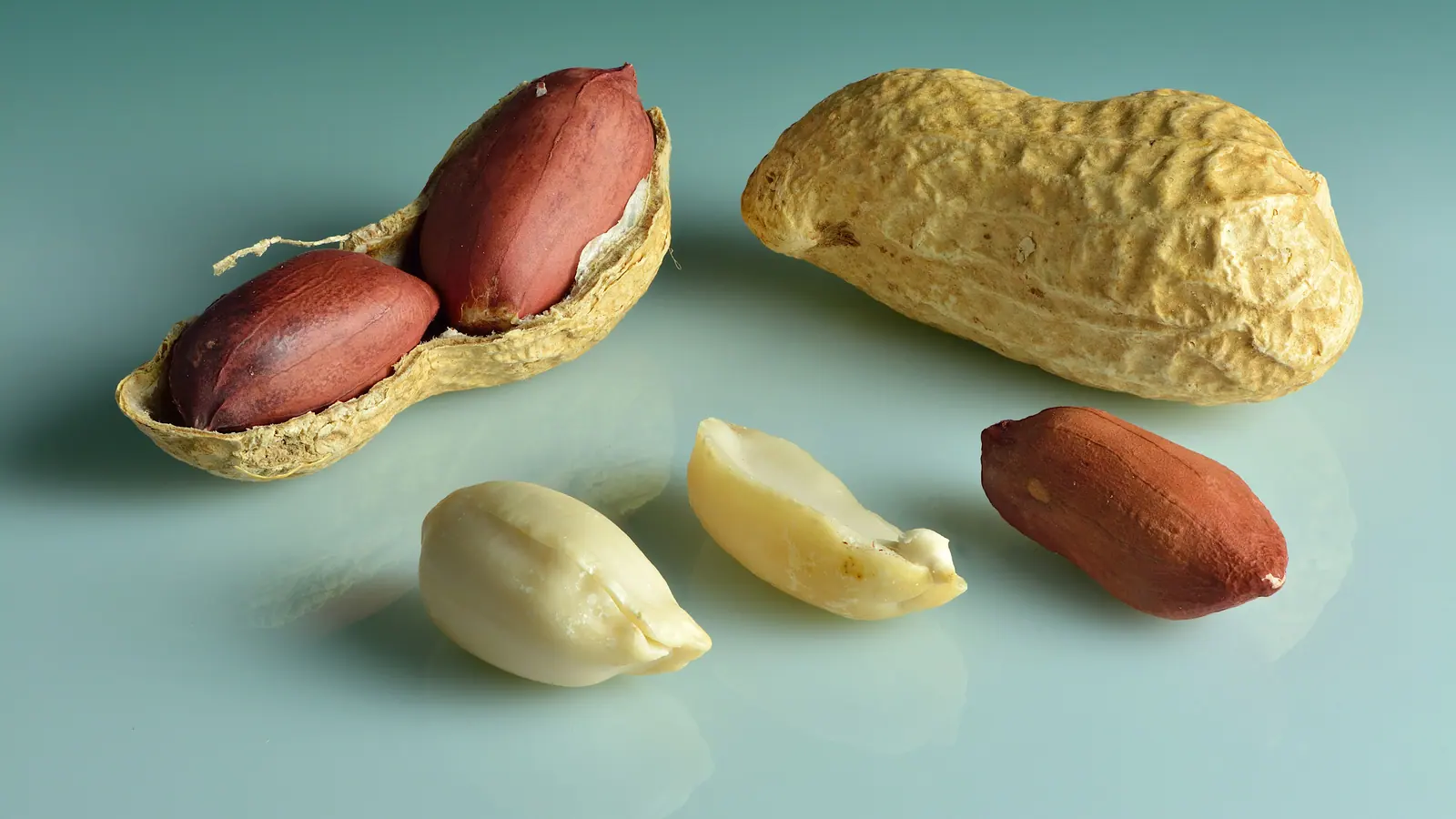

What is a peanut allergy? A peanut allergy is an immune reaction to proteins in peanuts that can cause hives, vomiting, wheezing or anaphylaxis within minutes of eating them. It is the most common food allergy reported for U.S. children, and most people who have it keep it for life, so the main treatment is avoiding peanut and carrying epinephrine.
Emergency: Trouble breathing, throat tightness, repeated vomiting, fainting, or hives together with any of these after peanut can be anaphylaxis. Use an epinephrine auto-injector if one has been prescribed and call 911. Our guide to anaphylaxis symptoms explains the signs.
Peanut allergy symptoms
Reactions usually start within minutes to two hours of eating peanut. Common signs include:
- Hives, redness or itching, often around the mouth first
- Swelling of the lips, tongue or face
- Vomiting, belly cramps or diarrhea
- Coughing, wheezing, a hoarse voice or trouble swallowing
- Feeling faint, dizzy or very sleepy, especially in young children
Severity isn’t predictable from past reactions. A mild reaction last time doesn’t guarantee a mild one next time, which is why allergists prescribe epinephrine even after hives alone.
How common is it, and is it outgrown?
In a survey of parents of 38,408 U.S. children, Gupta and colleagues found peanut was the most common food allergy, at about 2.2%. A companion survey of 40,443 adults put convincing peanut allergy in adults at about 1.8%.
Peanut allergy goes away less often than milk or egg allergy. In a study of 223 young people by Skolnick and colleagues, about 1 in 5 had outgrown it. Children with low peanut antibody levels may be offered a supervised food challenge to check.
Peanuts, tree nuts and legumes
Botanically, peanuts are legumes, like peas and soybeans, not tree nuts. In practice, many people with peanut allergy are also allergic to one or more tree nuts, and nuts are often processed on shared equipment. Some allergists advise avoiding all nuts; others clear specific nuts after testing. Our guide to tree nut allergy covers that decision.
Reading U.S. labels for peanut
Peanut is one of the nine major food allergens under U.S. law. The FDA requires packaged foods to name it, either in the ingredient list or in a “Contains” statement. Watch for:
- Peanut ingredients by other names: groundnuts, beer nuts, monkey nuts, arachis oil, peanut flour and peanut butter.
- “May contain” statements: these are voluntary. A product without one isn’t guaranteed to be free of cross-contact.
- Highly refined peanut oil: it is exempt from allergen labeling because refining removes most of the protein. Cold-pressed or “gourmet” peanut oil isn’t.
Restaurant food, bakery items and foods sold unpackaged at the counter don’t carry these labels, so ask directly.
Preventing peanut allergy in babies
The LEAP trial changed the advice. Among 530 high-risk infants with a negative skin test, Du Toit and colleagues found peanut allergy at age 5 in 13.7% of those who avoided peanut, against 1.9% of those who ate it regularly from infancy.
The NIAID addendum guidelines turned this into three rules:
| Baby’s risk | Advice |
|---|---|
| Severe eczema, egg allergy, or both | Talk to a doctor first; testing may be advised. Then introduce peanut foods as early as 4 to 6 months. |
| Mild to moderate eczema | Introduce peanut foods around 6 months. |
| No eczema or food allergy | Introduce peanut foods with other solids, at an age that suits the family. |
Never give whole peanuts or spoonfuls of thick peanut butter to babies, because they are a choking hazard. Thinned peanut butter or peanut puffs are the usual forms.
Treatments approved by the FDA
Avoidance is still the base of care. Two medicines can lower the risk from accidental exposure:
- Palforzia is a peanut oral immunotherapy. The FDA lists the start of treatment for ages 1 to 17, with maintenance continuing from age 1. It’s taken daily with a peanut-avoidant diet and isn’t for emergencies.
- Xolair (omalizumab) is an injection every 2 to 4 weeks. The FDA approved it on February 16, 2024, for food allergy in some people aged 1 year and older. In the OUtMATCH trial by Wood and colleagues, 67% of children on omalizumab could eat 600 mg or more of peanut protein without significant symptoms, against 7% on placebo.
Both are prescribed and monitored by an allergist. Neither replaces epinephrine.
For the other major allergens and how diagnosis works, see our main guide to food allergies.
More in Food allergies
Food Allergies: The 9 Major Allergens, Symptoms and Labels
Food allergies, from the nine major U.S. allergens to symptoms and anaphylaxis, which tests work, how to read labels, and what's new from the FDA.
Tree Nut Allergy: Which Nuts Count, Symptoms and Labels
Tree nut allergy: the 12 nuts the FDA counts, why coconut is now off the list, cross-reactions, symptoms, testing and reading U.S. food labels.
Anaphylaxis Symptoms: Signs, What to Do and Epinephrine
Anaphylaxis symptoms to act on: the warning signs doctors use, why epinephrine comes first, the nasal spray option, and what to do after a reaction.

Shellfish Allergy: Symptoms, Labels and the Iodine Myth
Shellfish allergy: crustaceans vs mollusks, symptoms, why it's so common in adults, what U.S. labels must show, and why iodine isn't the cause.
Sources & further reading
- U.S. Food and Drug Administration — Food allergies: the nine major food allergens, labeling rules and advisory statements.
- Journal of Allergy and Clinical Immunology — Togias and colleagues, 2017: NIAID addendum guidelines setting risk-based rules for introducing peanut foods to infants. DOI: 10.1016/j.jaci.2016.10.010.
- New England Journal of Medicine — Du Toit and colleagues, 2015: LEAP trial in which peanut allergy at age 5 fell from 13.7% with avoidance to 1.9% with early eating in skin-test-negative infants. DOI: 10.1056/nejmoa1414850.
- Pediatrics — Gupta and colleagues, 2018: survey of 38,408 U.S. children finding peanut the most common food allergy, at 2.2%. DOI: 10.1542/peds.2018-1235.
- JAMA Network Open — Gupta and colleagues, 2019: survey of 40,443 U.S. adults estimating convincing peanut allergy at 1.8%. DOI: 10.1001/jamanetworkopen.2018.5630.
- Journal of Allergy and Clinical Immunology — Skolnick and colleagues, 2001: study of 223 children and young people finding that about 21.5% outgrew peanut allergy. DOI: 10.1067/mai.2001.112129.
- U.S. Food and Drug Administration — Palforzia: approved indication, ages and limits of this peanut oral immunotherapy.
- U.S. Food and Drug Administration — Press release of February 16, 2024 approving Xolair to reduce reactions after accidental exposure to foods.
- New England Journal of Medicine — Wood and colleagues, 2024: OUtMATCH trial in which 67% of children on omalizumab tolerated 600 mg or more of peanut protein, versus 7% on placebo. DOI: 10.1056/NEJMoa2312382.