Is Stainless Steel Hypoallergenic? Grades and Nickel Release
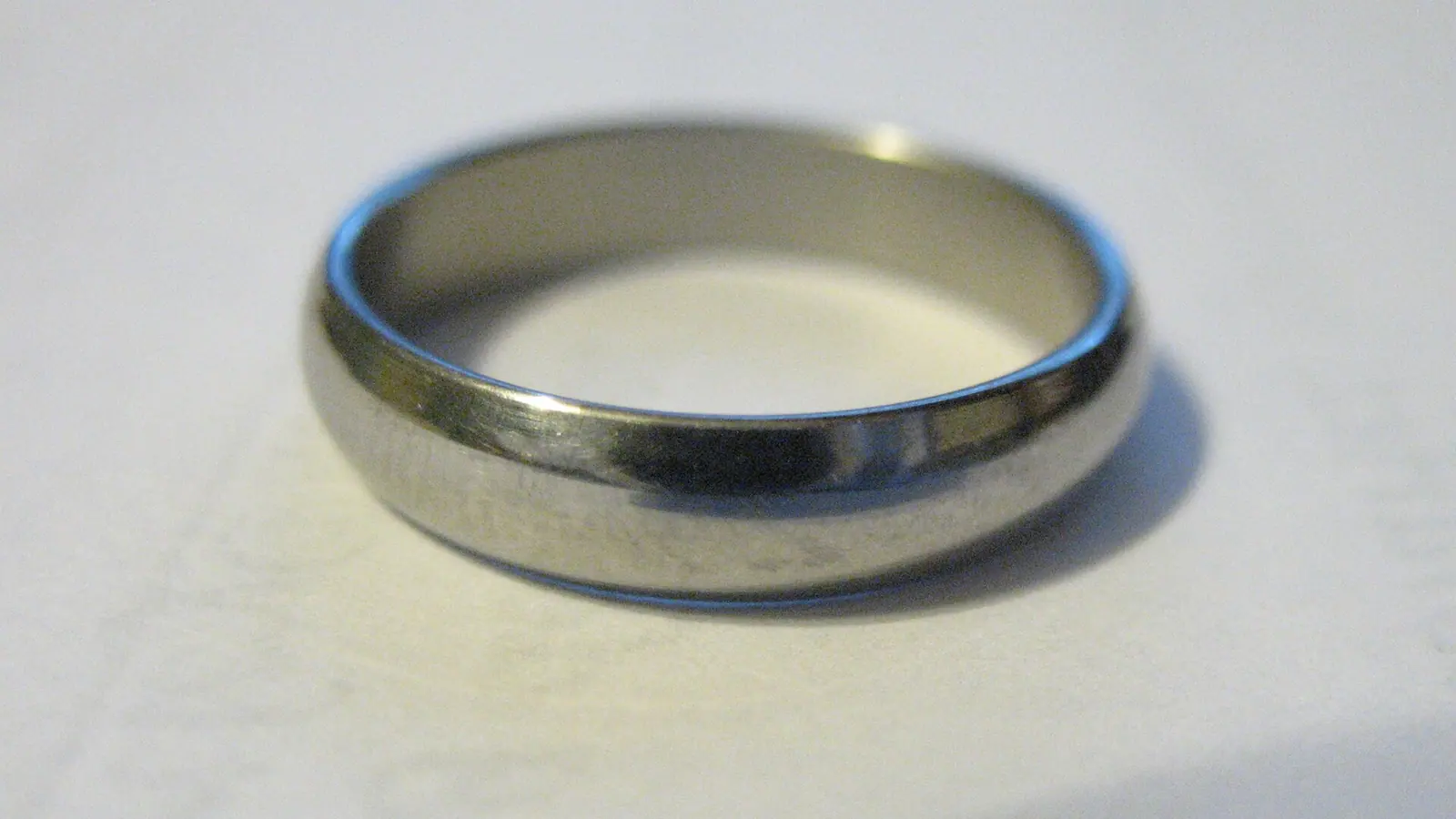

Is stainless steel hypoallergenic? Not strictly, because most stainless steel contains nickel, but the common grades release so little of it that most people with nickel allergy wear them without trouble. Grades 304 and 316L are generally well tolerated; a high-sulfur grade called 303 releases much more and is best avoided. For a fresh piercing or a severe nickel allergy, implant-grade titanium is safer.
Why stainless steel contains nickel
Stainless steel is iron alloyed with chromium, which forms a thin protective oxide layer that stops rust. The most common grades, 304 and 316 (and the low-carbon 316L), also contain nickel to make the metal tough and easy to work. Some ferritic grades, such as 430, have little or no nickel.
What matters for your skin isn’t how much nickel is in the metal but how much comes off it in sweat. Nickel locked inside a stable alloy doesn’t cause a rash. Our guide to nickel allergy explains why release is the number that counts.
What the research shows
The key study is old but clear. Haudrechy and colleagues patch tested nickel-allergic patients with several metals and measured nickel release in acidic artificial sweat:
| Material | Patients who reacted | Nickel released (µg/cm²/week) |
|---|---|---|
| Nickel-plated metal | 96% | about 100 |
| 303 stainless (high sulfur) | 14% | about 1.5 |
| 304, 316L and other low-sulfur stainless | none | under 0.03 |
Electrochemical tests showed why: 304 and 316 stayed passive, protected by their oxide layer, while nickel plating and 303 steel dissolved. The authors concluded that 304 and 316 steels shouldn’t cause nickel dermatitis, while 303 should be avoided.
That doesn’t mean reactions never happen. Kanerva and colleagues described a nickel-allergic patient who developed dermatitis from stainless steel, and found that some metals released significant nickel even when the common spot test was negative. People with a very strong allergy, or with broken or inflamed skin, may react to amounts others tolerate.
How this compares with legal limits
The European Union’s REACH Annex XVII sets the limits most testing refers to:
- 0.2 µg/cm²/week for posts inserted into pierced ears and other piercings
- 0.5 µg/cm²/week for items in direct and prolonged skin contact, such as earrings, necklaces, watch backs and jeans buttons
Low-sulfur stainless steels released well under both in the 1994 tests. The U.S. has no equivalent federal limit, which is one reason inexpensive jewelry there often releases more nickel. In a study of jewelry bought in the U.S., Hamann and colleagues found 79 of 96 items released nickel.
The real problem: what’s sold as “stainless”
Many reactions blamed on stainless steel jewelry come from something else:
- Plating: gold- or silver-colored finishes over a base metal that may contain nickel. Once the plating wears, the base touches skin.
- Unknown alloys: “stainless” or “surgical steel” has no consumer definition, and a low-cost piece may not be 304 or 316L at all.
- Backs and findings: a stainless post with a cheap butterfly back still puts nickel against your ear.
A home nickel spot test can screen items, though, as above, a negative result isn’t a guarantee.
When to choose something else
For everyday jewelry, watches and kitchenware, 304 or 316L stainless is a reasonable choice for most people with nickel allergy. Choose something else when:
- It’s a new piercing. Fresh piercings sit in broken skin for weeks. Implant-grade titanium or niobium is the usual recommendation; see our comparison of titanium vs surgical steel.
- You’ve reacted to stainless before. Don’t keep trying different steels.
- Your allergy is severe or your skin is often inflamed.
A review by Torres and colleagues notes that nickel is so widespread, including in stainless steel, that avoiding it completely is almost impossible; the practical goal is avoiding items that release it onto skin. Our guide to hypoallergenic earrings lists the safest metals for ears.
More in Jewelry
Hypoallergenic Earrings: Metals That Avoid Nickel
Hypoallergenic earrings for sensitive ears: which metals avoid nickel, how to read the label, and what to ask a seller before you buy a pair.
Titanium vs Surgical Steel: Which Suits Sensitive Skin?
Titanium vs surgical steel for nickel allergy: grades, nickel content, ASTM implant specifications, cost, and when each metal makes sense for your skin.
Is Sterling Silver Hypoallergenic? What Nickel Allergy Means
Is sterling silver hypoallergenic? Usually low in nickel, but plating, cheap alloys and tarnish complicate it. When silver suits sensitive skin.
Is 14k Gold Hypoallergenic? Karats, Alloys and Nickel
Is 14k gold hypoallergenic? Pure gold rarely causes reactions, but its alloy metals can. How karat, white or rose color and plating change nickel risk.
Sources & further reading
- Contact Dermatitis — Haudrechy and colleagues, 1994: patch, sweat-leaching and electrochemical tests showing low-sulfur 304 and 316L steels caused no reactions, while 303 steel and nickel plating did. DOI: 10.1111/j.1600-0536.1994.tb01997.x.
- Contact Dermatitis — Haudrechy and colleagues, 1997: follow-up study on nickel release from stainless steel grades. DOI: 10.1111/j.1600-0536.1997.tb00314.x.
- Contact Dermatitis — Kanerva and colleagues, 1994: nickel release from 10 metal samples in synthetic sweat, the limits of the spot test, and a case of allergic contact dermatitis from stainless steel. DOI: 10.1111/j.1600-0536.1994.tb02023.x.
- European Union (EUR-Lex) — Regulation (EC) No 1907/2006 (REACH), Annex XVII entry 27: nickel release limits of 0.2 µg/cm²/week for piercing posts and 0.5 for items in prolonged skin contact.
- Contact Dermatitis — Hamann and colleagues, 2015: analysis of 956 jewelry components and EU sweat-method testing of 96 US items, 79 of which released nickel. DOI: 10.1111/cod.12434.
- Clinical, Cosmetic and Investigational Dermatology — Torres and colleagues, 2009: review of nickel exposure sources, including stainless steel, diagnosis by patch testing and avoidance-based management. DOI: 10.2147/ccid.s3693.