Hypoallergenic Fabric Softener and Dryer Sheets Explained
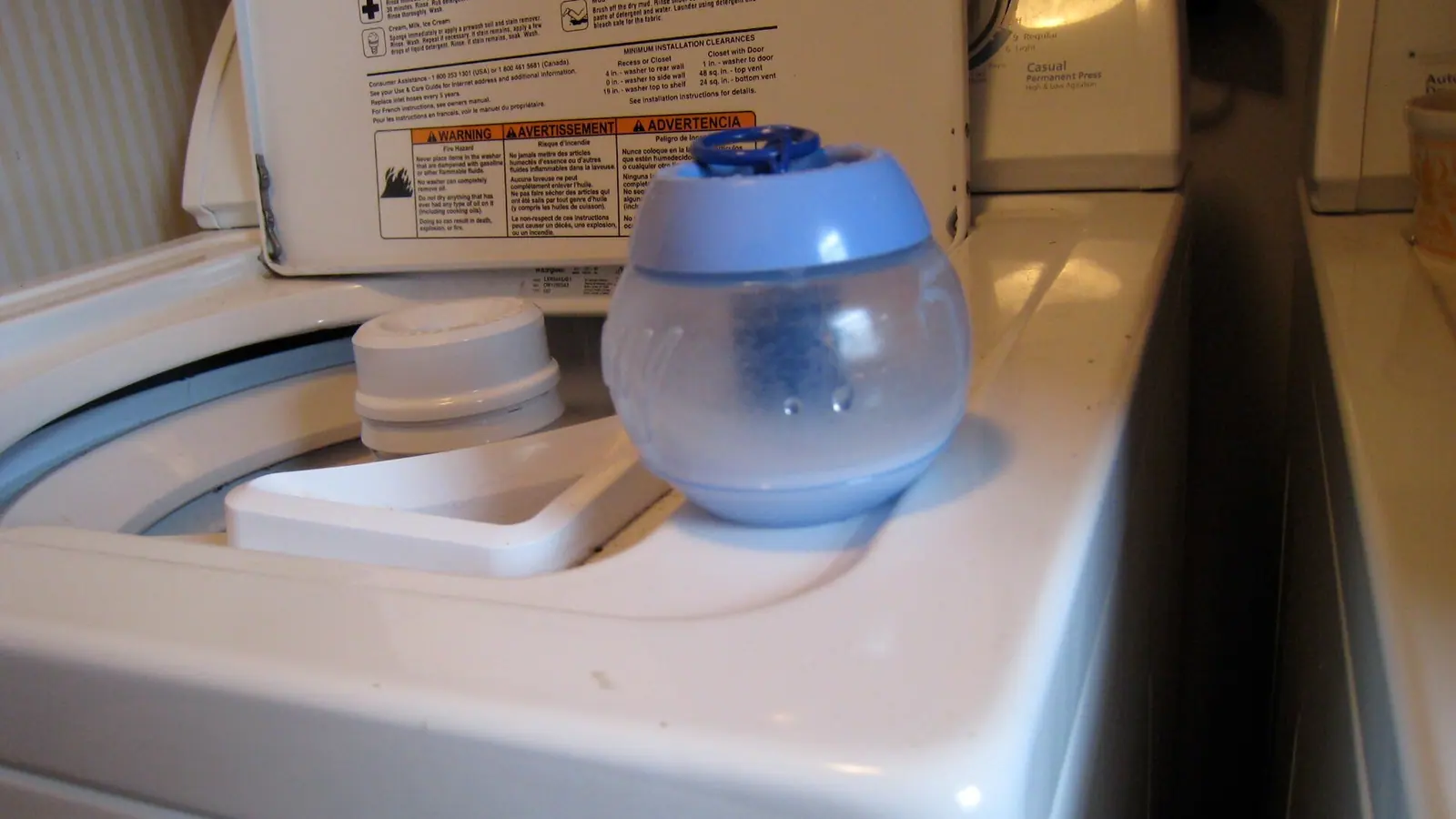

Is there a hypoallergenic fabric softener? Fabric softeners and dryer sheets, hypoallergenic or not, are designed to leave a coating and often fragrance on clothes; if your skin is sensitive, the simplest option is to skip them or choose a fragrance-free one.
A detergent’s job is to wash things off. A fabric softener’s job is the opposite: to leave something behind. Liquid softeners and dryer sheets coat fibers with conditioning agents, usually cationic surfactants known as quaternary ammonium compounds, so fabric feels smoother and builds up less static. Most also add fragrance designed to last for days.
For people who react to fragrance or have eczema, that combination makes softeners one of the first things to cut.
What the evidence says
Reports of allergic reactions to specific softener ingredients exist but aren’t common; the more frequent issue is fragrance, and irritation in people with an already damaged skin barrier. Dermatology groups advising on eczema generally recommend fragrance-free laundry products and skipping dryer sheets. There’s no evidence that skin needs softener for any health reason.
Gentler options
- Go without. Most people stop noticing within a few washes. Line-dried towels feel stiffer; a few minutes in the dryer after line drying softens them.
- Fragrance-free liquid softener, if you really want one. Use the smallest dose and skip it for towels and underwear.
- Wool dryer balls help separate laundry and shorten drying time. Skip the essential oils some people add to them.
- Reduce static by not over-drying, separating synthetics from cotton and using a lower heat setting.
- Vinegar in the rinse is popular, but it doesn’t soften in the way softeners do, and frequent use may affect some machines’ rubber seals. Check your washer’s manual.
Watch for hidden scent
“Scent boosters” (beads or crystals added to the wash) are concentrated fragrance. If someone else in your home uses them, shared towels and bedding will carry it too.
More in Laundry
Hypoallergenic Laundry Detergent: How to Choose One
Hypoallergenic laundry detergent claims aren't checked by anyone. What to look for instead: fragrance-free formulas, full ingredient lists, right dose.

Should You Wash New Clothes Before Wearing? Yes, Here's Why
Should you wash new clothes before wearing them? Yes: finishes, dyes and residues from making and shipping can irritate skin. Which ones matter most.
Sources & further reading
- National Institute of Arthritis and Musculoskeletal and Skin Diseases (NIH) — Atopic dermatitis.
- U.S. Food and Drug Administration — Fragrances in cosmetics.
- Acta Dermato-Venereologica — Sukakul and colleagues, 2024: review of fragrance contact allergy and of how it is diagnosed with patch testing. DOI: 10.2340/actadv.v104.40332.
- Contact Dermatitis — van Amerongen and colleagues, 2021: EDEN study of 3,119 adults in five European countries linking daily use of scented products, especially leave-on ones, to fragrance contact allergy. DOI: 10.1111/cod.13807.
- Acta Dermatovenerologica Croatica — Puch and colleagues, 2025: letter reviewing evidence that only a very small share of skin reactions blamed on detergents and fabric softeners are actually caused by them.
- Allergy — Rinaldi and colleagues, 2024: experiments in mouse and human skin showing that household laundry detergents can disrupt the skin barrier and trigger inflammation. DOI: 10.1111/all.15891.