Baby Eczema Cream: Moisturizers, Steroid Creams and Oils
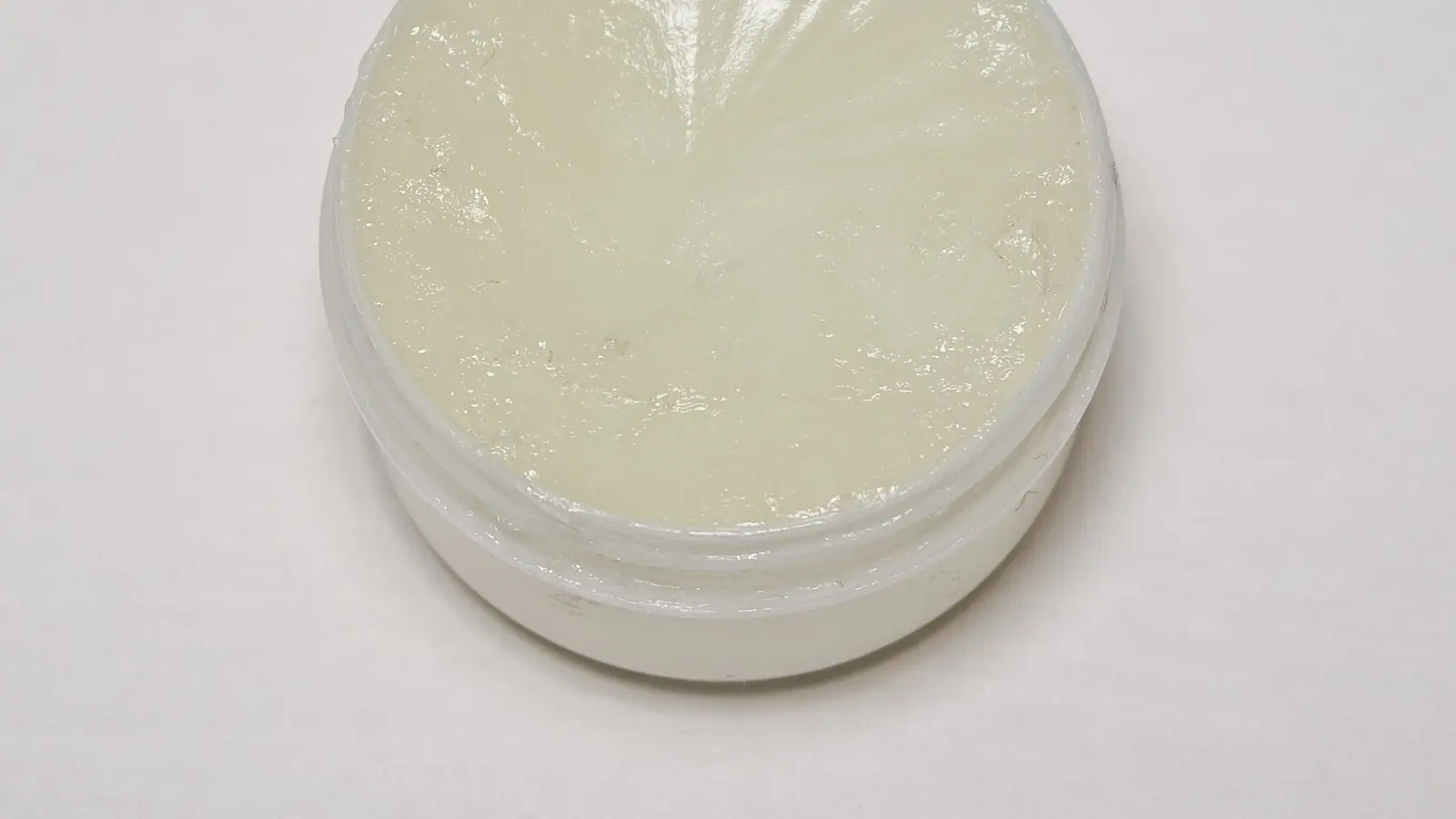

What is the best baby eczema cream? For most babies, the best cream is a thick, fragrance-free moisturizer or ointment applied at least once a day, all over, even when the skin looks clear. Moisturizers reduce flares and the amount of medicine needed. During a flare, a doctor may add a mild steroid cream for a short time.
What baby eczema looks like
The NIAMS describes eczema in babies up to age 2 as a red rash that may ooze when scratched, most often on the face, scalp and the skin around joints. It rarely affects the diaper area, so a rash there is more likely to be diaper rash. Babies with eczema are often itchy and restless, rubbing their cheeks on bedding.
If you’re not sure it’s eczema, ask your pediatrician before starting any cream.
Moisturizers: the everyday treatment
A Cochrane review of 77 trials by van Zuuren and colleagues found that moisturizers reduce eczema flares, lengthen the time until the next flare and lower the amount of steroid cream needed. A review of infant eczema care by Davari and colleagues puts emollients at the center of treatment.
How to use them:
- Choose thick over thin. Ointments such as petroleum jelly and thick creams protect better than runny lotions. Lotions contain more water and evaporate faster.
- Fragrance-free, with a short ingredient list. Avoid perfumes, essential oils and botanical extracts.
- Apply generously, at least once or twice a day and within a few minutes after the bath, while the skin is still slightly damp.
- Use a pump or a clean spoon rather than dipping fingers into a jar, to keep the cream clean.
Moisturizers treat eczema; they don’t prevent it in healthy babies. A Cochrane review by Kelleher and colleagues found that routine emollients for babies without eczema probably don’t prevent it and probably raise the risk of skin infections. Use them because your baby has dry or eczema-prone skin, not as a precaution.
Steroid creams during flares
When the skin is red, inflamed and itchy, moisturizer alone often isn’t enough. Doctors then prescribe a topical corticosteroid, usually a mild one for babies and for the face.
Many parents worry about steroid creams. A Cochrane review of 104 trials by Lax and colleagues found that abnormal skin thinning was uncommon in the trials that reported it, though it was more frequent with stronger creams. It also found that once-daily use works as well as twice daily for potent creams, and that using a steroid cream twice a week on usual trouble spots (“weekend therapy”) helps prevent flares.
Use exactly the strength, amount and duration your doctor recommends, and don’t use leftover adult creams on a baby.
Why to skip olive oil
Natural oils are a popular home remedy, but they aren’t all alike. In a controlled study by Danby and colleagues, olive oil applied to the forearm for four weeks damaged the skin barrier and caused mild redness, while sunflower seed oil preserved the barrier and improved hydration. The authors advised against olive oil for dry skin and infant massage.
Coconut oil and other plant oils have less research. If you use any oil, a fragrance-free cream or ointment is still the better daily base.
Ingredients to watch for
Gentle-sounding labels don’t guarantee a gentle product. When Low and Wallace checked 438 baby products sold in the UK, 88% contained at least one known contact allergen, and products marketed as “sensitive,” “gentle,” “organic” or “fragrance-free” had more of them, not fewer. Common ones included fragrances, parabens, methylisothiazolinone and lanolin.
Our guide to baby wipes and skincare covers bathing, wipes and diaper creams, and our guide to fragrance-free moisturizers explains what to look for on labels.
When to see the doctor
Call your pediatrician if the rash is spreading, weeping or crusted with yellow scabs, if your baby has a fever, or if the itch is keeping your baby awake despite daily moisturizing. Those can be signs of infection or eczema that needs prescription treatment. Babies with severe eczema are also at higher risk of peanut allergy; our guide to peanut allergy explains why their doctors may suggest early evaluation before introducing peanut.
More in Baby
Baby Laundry Detergent: Do You Need a Special One?
Do you need a baby laundry detergent? Babies don't need a special brand, but fragrance-free, dye-free washing helps their skin. Plus pod safety.
Baby Wipes and Skincare for Sensitive Skin: What to Use
Baby wipes, bath cleansers, moisturizers and diaper creams for dry or eczema-prone baby skin: what research says and which ingredients to avoid.
Hypoallergenic Formula: What the Label Terms Mean
Hypoallergenic formula labels decoded: extensively hydrolyzed, amino acid-based, partially hydrolyzed and gentle, and why switching is a doctor's call.
Hypoallergenic Crib Mattress and Bedding: Safe Sleep First
Hypoallergenic crib mattress and bedding: how to reduce dust and allergens in a crib within safe-sleep rules, and what you can wash, cover and change.
Sources & further reading
- National Institute of Arthritis and Musculoskeletal and Skin Diseases (NIH) — Atopic dermatitis: causes, where the rash appears in infants, and how it is treated.
- Cochrane Database of Systematic Reviews — van Zuuren and colleagues, 2017: systematic review of 77 trials finding that moisturizers reduce eczema flares, delay the next flare and lower the amount of steroid cream needed. DOI: 10.1002/14651858.CD012119.pub2.
- Cochrane Database of Systematic Reviews — Lax and colleagues, 2022: review of 104 trials on how to use steroid creams for eczema, finding skin thinning uncommon and twice-weekly 'weekend' use helpful in preventing flares. DOI: 10.1002/14651858.cd013356.pub2.
- Journal of Asthma and Allergy — Davari and colleagues, 2020: review of best practices for infant atopic dermatitis, with emollients as the basis of topical care. DOI: 10.2147/jaa.s246175.
- Pediatric Dermatology — Danby and colleagues, 2013: controlled forearm study in which olive oil damaged the skin barrier while sunflower seed oil preserved it and improved hydration. DOI: 10.1111/j.1525-1470.2012.01865.x.
- Clinical and Experimental Dermatology — Low and Wallace, 2019: analysis of 438 UK baby products finding at least one known contact allergen in 88%, including many labeled sensitive, gentle or fragrance-free. DOI: 10.1111/ced.13767.
- Cochrane Database of Systematic Reviews — Kelleher and colleagues, 2022: review of 33 trials finding that routine emollients in healthy infants probably do not prevent eczema and probably raise the risk of skin infection. DOI: 10.1002/14651858.cd013534.pub3.