Hypoallergenic Mattress: What Actually Lowers Dust Mites
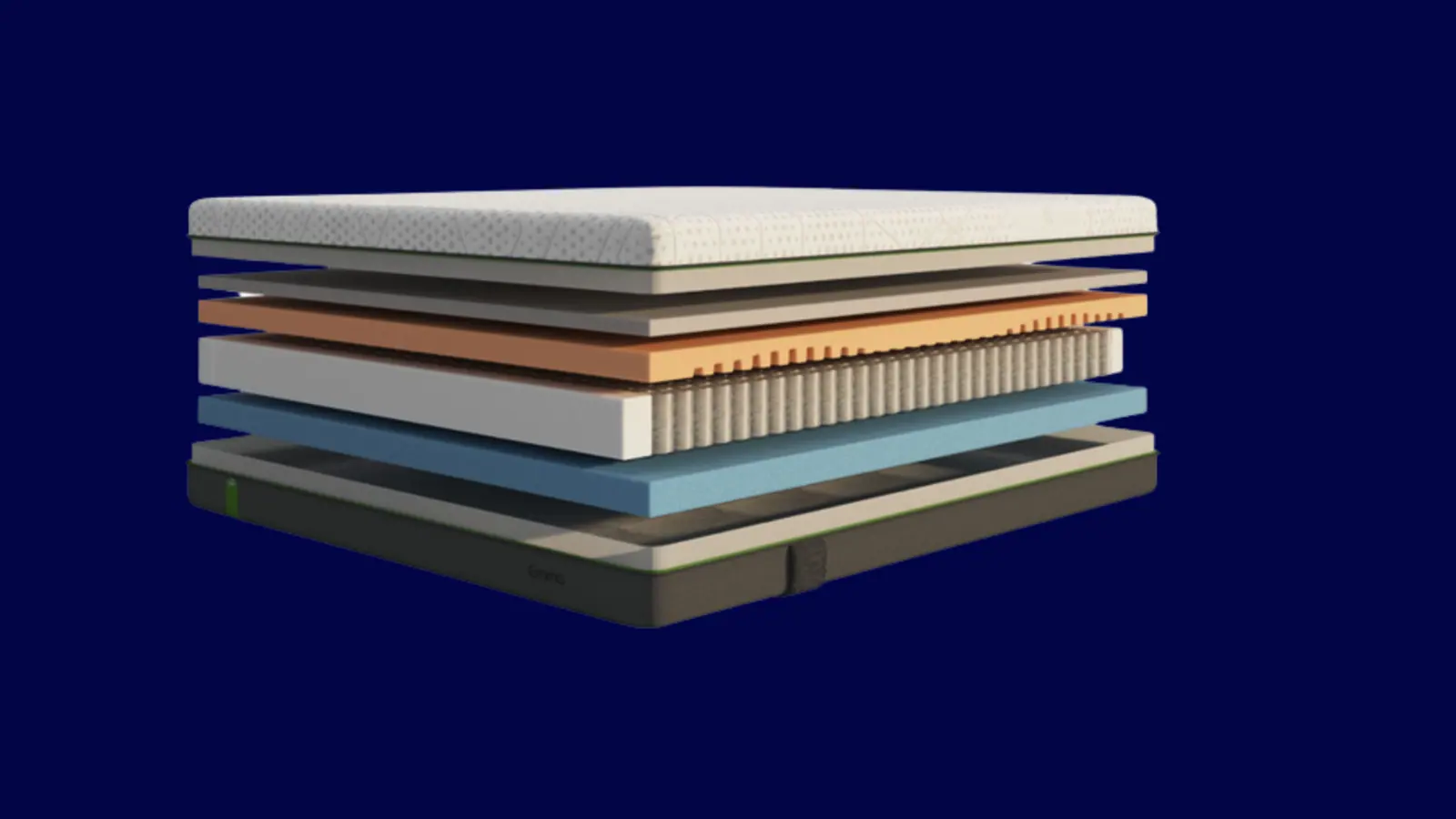

What is a hypoallergenic mattress? It’s a mattress sold as less likely to trigger allergies, usually because of tightly woven or removable washable covers, dense foam or latex cores, or a built-in barrier against dust mites. No mattress stays mite-free, though. What lowers allergen in bed is a barrier cover, low humidity and replacing very old mattresses, whatever the label says.
Why the mattress matters
For people allergic to dust mites, the mattress is usually the biggest single reservoir in the bedroom. In 34 New Zealand homes, Mills and colleagues found higher mite allergen in mattresses than in duvets or pillows, and mattresses more than 10 years old held significantly more. Mites feed on shed skin flakes, and a bed gives them a steady supply.
What research says about mattress features
The top layer. In a study of 168 mattresses by van den Bemt and colleagues, a synthetic top layer was linked to about three times more mite allergen than a cotton one (2.6 vs 0.8 µg/g). It’s one study, but it’s a reason not to assume synthetic means hypoallergenic.
Humidity. The same study found more mite allergen at higher bedroom humidity. Dust mites take their water from the air, and Arlian and colleagues showed that keeping average daily humidity below 50% restricts their growth even if it rises for a few hours. A dehumidifier or air conditioning can do more than a new mattress.
Age. Older mattresses accumulate allergen. If yours is more than about 10 years old and you have mite allergy, replacing it is reasonable, then cover the new one from day one.
Core material. Companies often market dense foam or latex as hypoallergenic, but independent evidence comparing mattress cores is thin. The surface fabric, the cover and the bedroom air seem to matter more. If you have latex allergy, ask whether the core is natural rubber latex.
The barrier is the key piece
A tightly woven encasement over the whole mattress acts as a barrier between you and the allergen in the mattress. In laboratory tests by Vaughan and colleagues, breathable fabrics with pores under 10 micrometers blocked mite allergen. Some mattresses have this kind of fabric built in; otherwise a separate encasement does the job. Our guide to dust mite mattress covers explains what to look for.
Don’t expect a cover alone to fix asthma. In a randomized trial of 1,122 adults with asthma, Woodcock and colleagues found that impermeable bed covers on their own gave no clinical benefit. The dust mite practice parameter from U.S. allergy organizations recommends combining several measures rather than relying on one.
A practical plan
- Encase the mattress, pillows and duvet in tightly woven covers.
- Wash sheets and pillowcases weekly in hot water; see how to get rid of dust mites in bed.
- Keep bedroom humidity below 50%.
- Replace a very old mattress, and choose one with a removable, washable cover if possible.
- Choose bedding wisely; our guide to hypoallergenic pillows covers fills.
For babies, safe sleep rules come first; see our guide to the hypoallergenic crib mattress.
More in Bedding

Dust Mite Mattress Cover: What to Look For in Encasements
A dust mite mattress cover is the core of bedroom mite control. What pore size, zippers and breathability mean, and what studies say covers can do.

Hypoallergenic Pillows and Comforters: What Fill Changes
Hypoallergenic pillows usually just have a synthetic fill. What fill changes for dust mite and feather allergies, and the washing habits that matter.

How to Get Rid of Dust Mites in Bed: A Washing Checklist
How to get rid of dust mites in bed: the water temperature that kills them, how often to wash, and the bedroom changes that cut mite allergen.

Dust Mite Bites: Why Mites Don't Bite and What Does
Dust mite bites aren't real: dust mites don't bite. Learn what causes the itch, how mite allergy shows up on skin, and the bugs that actually bite in bed.
Sources & further reading
- Clinical and Experimental Allergy — van den Bemt and colleagues, 2006: study of 168 mattresses finding lower mite allergen with a cotton top layer than a synthetic one (0.8 vs 2.6 µg/g) and higher levels at higher humidity. DOI: 10.1111/j.1365-2222.2006.02427.x.
- New Zealand Medical Journal — Mills and colleagues, 2002: measurements in 34 homes finding the highest mite allergen in mattresses, and higher levels in mattresses over 10 years old.
- Annals of Allergy, Asthma & Immunology — Portnoy and colleagues, 2013: practice parameter from US allergy organizations on assessing dust mite exposure and combining control measures in the home. DOI: 10.1016/j.anai.2013.09.018.
- Journal of Allergy and Clinical Immunology — Arlian and colleagues, 1999: experiment showing that keeping mean daily humidity below 50 percent restricts dust mite growth even when humidity rises for a few hours a day. DOI: 10.1016/s0091-6749(99)70298-8.
- Journal of Allergy and Clinical Immunology — Vaughan and colleagues, 1999: laboratory test showing that breathable fabrics with pores under 10 micrometers block dust mite allergen. DOI: 10.1016/s0091-6749(99)70495-1.
- New England Journal of Medicine — Woodcock and colleagues, 2003: randomized trial in 1,122 adults with asthma in which allergen-impermeable bed covers alone gave no clinical benefit. DOI: 10.1056/nejmoa023175.