Hypoallergenic Sheets: Fabric, Weave and Wash Temperature
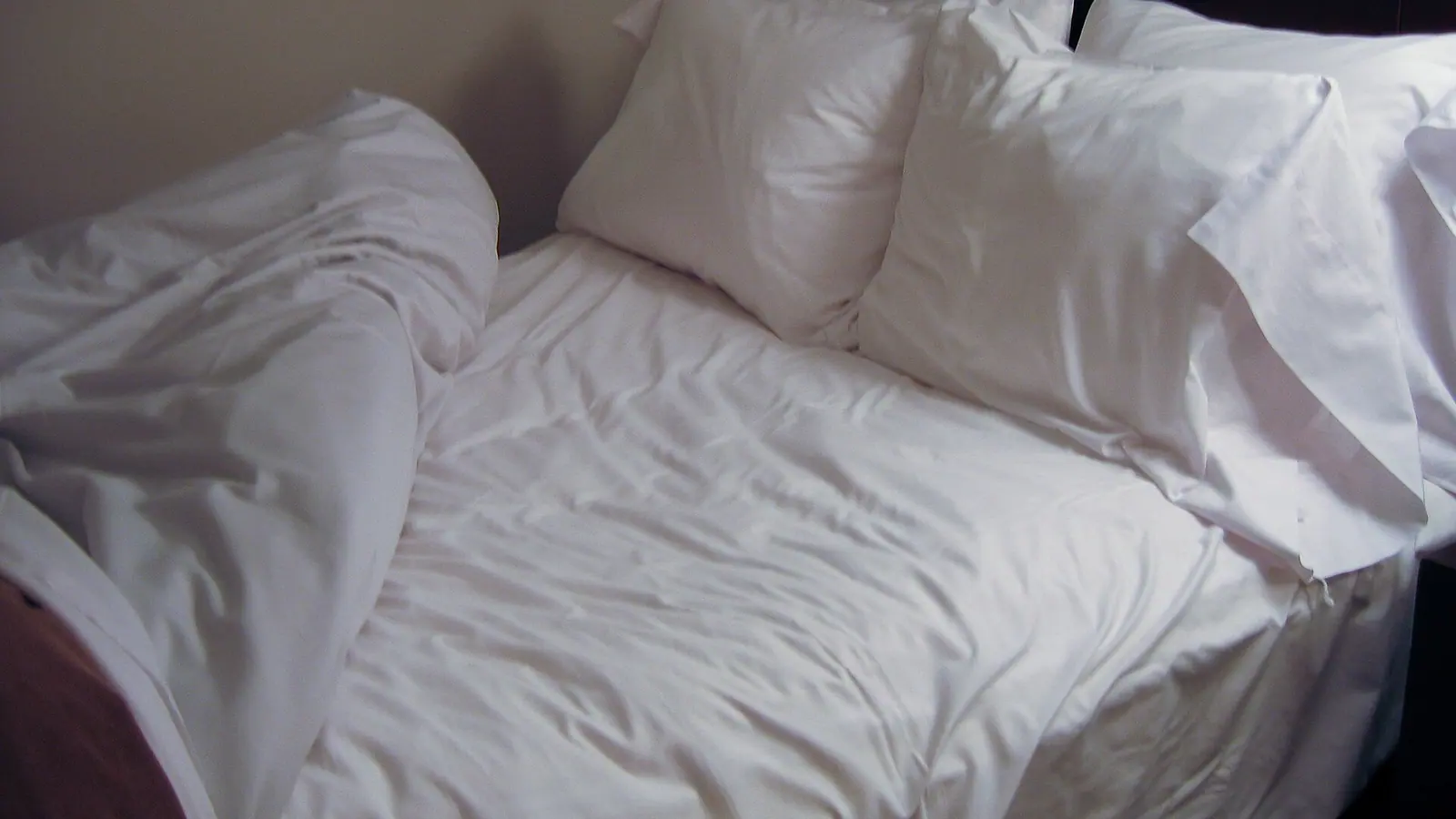

What makes sheets hypoallergenic? Hypoallergenic sheets are bed sheets sold as less likely to trigger allergies, usually because of a tight weave or a fabric that’s easy to wash hot. There’s no legal standard behind the word, and no study shows that cotton, silk or bamboo sheets alone cut allergy symptoms. What the evidence does support is washing bedding at high temperatures and, for dust mite allergy, using tightly woven covers on the mattress and pillows as part of a wider plan.
Wash temperature matters more than fabric
Dust mites live in bedding, and the most reliable way to clear them out of sheets is heat. McDonald and Tovey found water at 55 °C or hotter killed all mites, while a cold wash removed over 90% of the allergen but left most live mites behind. Detergent didn’t help at lower temperatures.
Choi and colleagues measured it on sheets: washes at 30 °C and 40 °C killed only 6.5% and 9.6% of mites, while 60 °C and steam killed all of them. Allergen left on the sheets fell from 26.8% at 30 °C to 1.3% at 60 °C. So the best hypoallergenic sheets are the ones that survive a weekly 60 °C (140 °F) wash. Check the care label before you buy, and use a hypoallergenic laundry detergent if fragrance bothers your skin.
Weave and pore size
A tight weave is what stops allergen moving through fabric. Vaughan and colleagues tested breathable fabrics and found pores smaller than 10 µm blocked dust mite allergen completely, while blocking cat allergen took pores of 6 µm or less. Tightly woven and nonwoven synthetics did this and still let air through.
Pillow coverings show the same pattern. Siebers and colleagues placed live mites on different pillow covers: all 20 got through a standard polyester covering within 24 hours, but none got through feather pillow or newer polyester-cotton coverings in 48 hours. Thread count alone isn’t a reliable guide; ask for the pore size if you need allergen-proof bedding.
Do allergen-proof covers reduce symptoms?
They lower allergen, but used alone they don’t seem to change how people feel:
- Rhinitis. In Terreehorst and colleagues’ year-long trial with 279 people, impermeable mattress, pillow and duvet covers cut mite allergen but didn’t improve nasal symptoms.
- Asthma. Woodcock and colleagues gave 1,122 adults covers; allergen fell at 6 months but breathing didn’t change, and the covers looked clinically ineffective on their own.
- Reviews. A Cochrane review by Sheikh and colleagues found whole-bedroom programmes looked more promising than impermeable bedding alone.
- Babies. Koopman and colleagues found mite-proof covers in 1,282 families slightly reduced night cough in toddlers but didn’t prevent eczema or sensitization.
How to choose hypoallergenic sheets
- Washable at 60 °C. This matters more than the fiber.
- Tight weave. Percale or sateen cotton, microfiber or a stated pore size under 10 µm.
- No added fragrance or finishing chemicals if you have sensitive skin.
- Pair with covers. Put a dust mite mattress cover and pillow encasements underneath, and see our guide to hypoallergenic bedding for pillows and comforters.
- Be skeptical of fabric claims. Silk and bamboo can feel nice, but no allergy trial shows they beat cotton.
More in Bedding
Dust Mite Mattress Cover: What to Look For in Encasements
A dust mite mattress cover is the core of bedroom mite control. What pore size, zippers and breathability mean, and what studies say covers can do.
Hypoallergenic Pillows and Comforters: What Fill Changes
Hypoallergenic pillows usually just have a synthetic fill. What fill changes for dust mite and feather allergies, and the washing habits that matter.

How to Get Rid of Dust Mites in Bed: A Washing Checklist
How to get rid of dust mites in bed: the water temperature that kills them, how often to wash, and the bedroom changes that cut mite allergen.
Hypoallergenic Mattress: What Actually Lowers Dust Mites
Hypoallergenic mattress guide: why mattresses hold the most dust mite allergen, research on surface fabric, age and humidity, and what really helps.
Sources & further reading
- Journal of Allergy and Clinical Immunology — McDonald and Tovey, 1992: washing water at 55 °C or hotter killed all dust mites, and detergents did not improve killing at lower temperatures. DOI: 10.1016/0091-6749(92)90132-l.
- Annals of Allergy, Asthma & Immunology — Choi and colleagues, 2008: machine washes at 30 °C and 40 °C killed only 6.5% and 9.6% of dust mites, while 60 °C and steam washes killed all of them. DOI: 10.1016/S1081-1206(10)60060-9.
- Journal of Allergy and Clinical Immunology — Vaughan and colleagues, 1999: in lab tests of breathable encasement fabrics, those with pores smaller than 10 µm blocked dust mite allergens (Der p 1 and Der f 1) below detectable levels. DOI: 10.1016/s0091-6749(99)70495-1.
- New England Journal of Medicine — Terreehorst and colleagues, 2003: in this placebo-controlled trial, 279 people with mite-allergic rhinitis were given impermeable or ordinary covers for mattress, pillow and duvet for one year, and 232 completed it. DOI: 10.1056/NEJMoa023171.
- New England Journal of Medicine — Woodcock and colleagues, 2003: in 1,122 adults with asthma, allergen-impermeable bed covers lowered mattress Der p 1 at 6 months (0.58 vs 1.71 µg/g) but not at 12 months. DOI: 10.1056/NEJMoa023175.
- Cochrane Database of Systematic Reviews — Sheikh and colleagues, 2010: this review found 9 trials with 501 people with mite-allergic rhinitis, mostly small and poor quality. DOI: 10.1002/14651858.CD001563.pub3.
- Clinical & Experimental Allergy — Siebers and colleagues, 2004: within 24 hours, all 20 live mites placed on a standard polyester pillow covering got through, while none got through feather pillow or newer polyester/cotton coverings in 48 hours. DOI: 10.1111/j.1365-2222.2004.01972.x.
- American Journal of Respiratory and Critical Care Medicine — Koopman and colleagues, 2002: in families of 1,282 allergic pregnant women, mite-impermeable mattress covers for parents' and child's beds slightly reduced night cough in the child's second year compared with placebo covers (adjusted odds ratio 0.65). DOI: 10.1164/rccm.2106026.