Alpha Gal Syndrome: The Tick Bite Red Meat Allergy
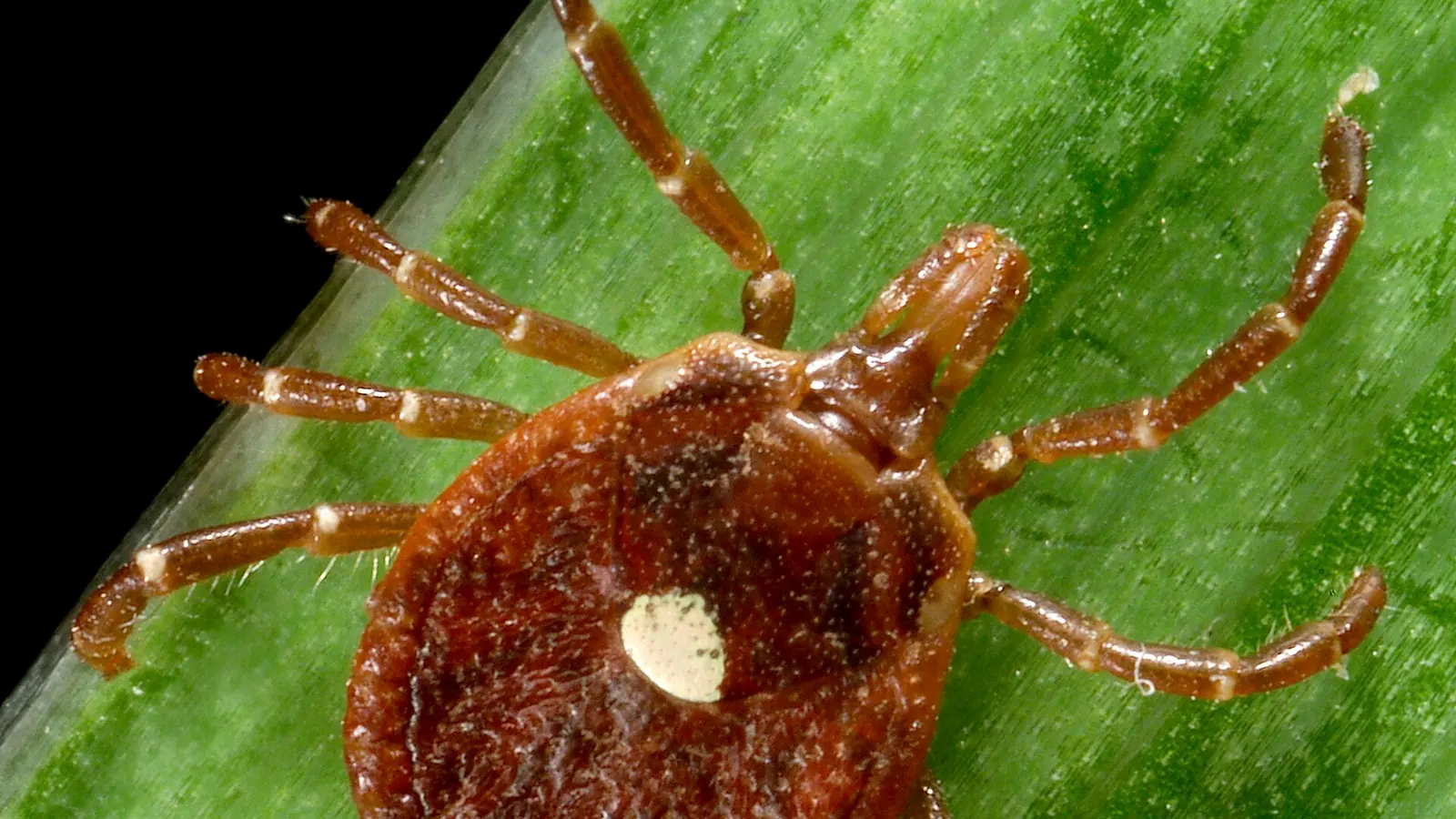

What is alpha gal syndrome? Alpha gal syndrome (also written alpha-gal syndrome) is an allergy to galactose-alpha-1,3-galactose (alpha-gal), a sugar found in the meat of most mammals, such as beef, pork and lamb. It usually develops after a tick bite, most often the lone star tick in the U.S. Reactions typically start 2 to 6 hours after eating meat, and they range from hives and stomach pain to life-threatening anaphylaxis.
Emergency: Trouble breathing, throat or tongue swelling, fainting, or hives with vomiting, even hours after a meal, can be anaphylaxis. Use an epinephrine auto-injector if one has been prescribed and call 911. See our guide to anaphylaxis symptoms.
How a tick bite causes a meat allergy
People don’t make alpha-gal, but most other mammals do. The CDC explains that some ticks carry alpha-gal in their saliva. When one bites, the immune system can start treating alpha-gal as a threat. Later, eating red meat or using other products made from mammals triggers an allergic reaction.
In the U.S., the lone star tick is the species most often linked to alpha-gal syndrome; a few cases have followed bites from blacklegged and western blacklegged ticks. Not everyone bitten develops it, and nobody yet knows why some people do. The CDC notes it can take weeks to months after a bite before symptoms start.
Symptoms and the delayed timing
The CDC symptom list includes:
- Hives or an itchy rash
- Nausea, vomiting, severe stomach pain, heartburn or diarrhea
- Cough, shortness of breath or difficulty breathing
- Swelling of the lips, throat, tongue or eyelids
- Dizziness, faintness or a drop in blood pressure
The timing is what sets it apart. Most food allergies cause symptoms within minutes. In the first published description of alpha-gal syndrome, Commins and colleagues found that patients reacted 3 to 6 hours after eating beef, pork or lamb, so a reaction can come long after dinner is over. That delay makes the meal easy to overlook, and reactions can vary from one exposure to the next, even to the same food.
How common is it, and where?
Alpha-gal syndrome isn’t a reportable disease, so exact numbers aren’t known. The CDC says more than 110,000 suspected cases were identified from 2010 to 2022, and that as many as 450,000 people may be affected.
An analysis of national testing data by Thompson and colleagues found 90,018 people with positive alpha-gal tests from 2017 to 2022, with cases concentrated in counties in the southern, midwestern and mid-Atlantic U.S. That matches where lone star ticks live. Hunters and others who spend a lot of time in woods and tall grass are at higher risk.
Many doctors are still unfamiliar with it. In a survey of 1,500 health care providers by Carpenter and colleagues, 42% had never heard of alpha-gal syndrome, so patients sometimes need to raise it themselves.
Diagnosis
According to the CDC, diagnosis is based on a physical exam, a detailed history and a blood test for IgE antibodies to alpha-gal. Skin testing to beef or pork may also help. Standard skin prick tests with meat extracts can be weakly positive, as Commins and colleagues found, which is one reason the blood test matters. Our guide to food allergy tests explains how allergy testing works in general.
What to avoid
There’s no cure yet, so treatment is avoidance plus an emergency plan. The CDC says most providers advise people with alpha-gal syndrome to stop eating mammal meat:
| Usually avoided | Often fine | Ask your provider |
|---|---|---|
| Beef, pork, lamb, venison, rabbit | Chicken, turkey, fish, shellfish | Dairy products |
| Organ meats and meat broths | Plant foods | Gelatin, including in candies and capsules |
| Lard and other animal fats | Some medicines and medical products |
Some people react to only some of these, and sensitivity varies. Alpha-gal is also present in some drugs. In a study by Chung and colleagues, severe reactions to the cancer drug cetuximab were explained by IgE antibodies to alpha-gal that patients already had before treatment. Make sure your doctors, pharmacist and dentist know about your diagnosis.
Alpha-gal isn’t one of the nine major food allergens on U.S. labels, so you won’t see it in a “Contains” statement. Read ingredient lists for meat, meat extracts, gelatin and, if needed, milk ingredients.
Preventing tick bites
The CDC calls preventing tick bites the best way to protect yourself and your family. Use an EPA-registered repellent, wear long sleeves and pants in wooded or grassy areas, check yourself, children and pets after being outdoors, and remove ticks promptly.
For other food allergies and how labels work, see our main guide to food allergies.
More in Food allergies
Food Allergies: The 9 Major Allergens, Symptoms and Labels
Food allergies, from the nine major U.S. allergens to symptoms and anaphylaxis, which tests work, how to read labels, and what's new from the FDA.
Tree Nut Allergy: Which Nuts Count, Symptoms and Labels
Tree nut allergy: the 12 nuts the FDA counts, why coconut is now off the list, cross-reactions, symptoms, testing and reading U.S. food labels.

Anaphylaxis Symptoms: Signs, What to Do and Epinephrine
Anaphylaxis symptoms to act on: the warning signs doctors use, why epinephrine comes first, the nasal spray option, and what to do after a reaction.

Shellfish Allergy: Symptoms, Labels and the Iodine Myth
Shellfish allergy: crustaceans vs mollusks, symptoms, why it's so common in adults, what U.S. labels must show, and why iodine isn't the cause.
Sources & further reading
- Centers for Disease Control and Prevention — About alpha-gal syndrome: tick bites, foods and products to avoid, risk areas, diagnosis and the estimate of up to 450,000 affected people.
- Centers for Disease Control and Prevention — Symptoms of alpha-gal syndrome, usually 2 to 6 hours after exposure, and when to seek emergency care.
- Morbidity and Mortality Weekly Report (CDC) — Thompson and colleagues, 2023: analysis of 357,119 alpha-gal antibody tests showing 90,018 positive people from 2017 to 2022, mostly in southern, midwestern and mid-Atlantic counties. DOI: 10.15585/mmwr.mm7230a2.
- Morbidity and Mortality Weekly Report (CDC) — Carpenter and colleagues, 2023: survey of 1,500 health care providers in which 42% had never heard of alpha-gal syndrome. DOI: 10.15585/mmwr.mm7230a1.
- Journal of Allergy and Clinical Immunology — Commins and colleagues, 2009: first description of delayed anaphylaxis and hives 3 to 6 hours after eating beef, pork or lamb in people with IgE to alpha-gal. DOI: 10.1016/j.jaci.2008.10.052.
- New England Journal of Medicine — Chung and colleagues, 2008: study linking severe reactions to the cancer drug cetuximab to pre-existing IgE antibodies against alpha-gal. DOI: 10.1056/nejmoa074943.