Is Coconut a Tree Nut? What the FDA and Allergists Say
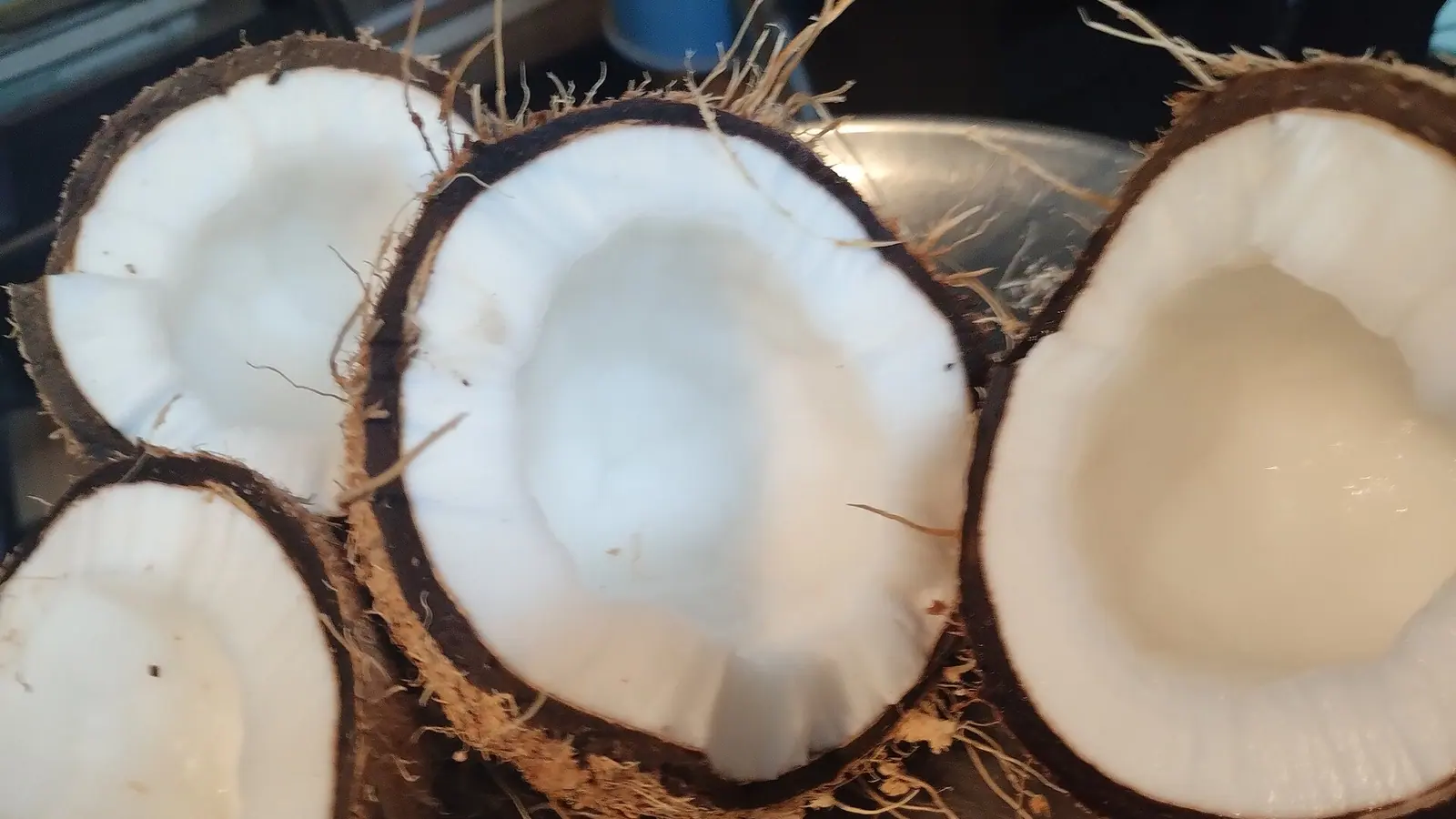

Is coconut a tree nut? Not for U.S. food labeling. Coconut is not on the FDA’s current list of 12 tree nuts that count as major food allergens, so it no longer belongs in the “Contains” statement. Botanically it’s the seed of a palm fruit, and coconut allergy is uncommon and usually unrelated to tree nut allergy. Some people do react to both, so if you have a nut allergy, ask your allergist before adding coconut.
What the FDA says
The Food Allergen Labeling and Consumer Protection Act of 2004 named eight major allergen groups, including “tree nuts,” without listing which nuts count. The FDA’s final allergen labeling guidance, Edition 5, published in January 2025, settles it with a list of 12:
almond, black walnut, Brazil nut, California walnut, cashew, hazelnut, heartnut, macadamia, pecan, pine nut, pistachio and English walnut.
Coconut isn’t on it. In its October 2026 labeling FAQ, the FDA confirmed that coconut and 11 other nuts are no longer treated as major allergens, with a compliance date of January 1, 2028 for labels. Until then you may still see coconut in some “Contains” lines. Our news report on the FDA’s coconut decision has the details.
What doesn’t change: coconut is an ingredient, so it must still appear by name in the ingredient list. If you react to coconut, read the full list rather than the “Contains” line.
How common is coconut allergy?
Uncommon. A nationally representative U.S. survey of 78,851 people by Warren and colleagues estimated that 0.39% of Americans, about 1 in 260, have a convincing coconut allergy. Fewer than half had a doctor’s diagnosis, and most had other food allergies too.
When it happens, it can be serious. In a pediatric center study by Kruse and colleagues, about half of the reactions after eating coconut met the criteria for anaphylaxis. In Singapore, where coconut is a common ingredient, Tan and colleagues found that 80.5% of coconut-allergic children reacted the first time they ate it, and only one outgrew the allergy during follow-up.
Can you eat coconut with a tree nut allergy?
Most people can, but it’s not guaranteed.
- In a chart review by Stutius and colleagues, children with peanut or tree nut allergy were no more likely to be sensitized or allergic to coconut. They were more likely to be sensitized to sesame.
- A case report by Anagnostou describes coconut allergy as rare and not directly associated with nut allergy.
- On the other hand, in the Kruse study, co-sensitization with tree nuts, legumes and seeds was common among coconut-sensitized children, strongest with macadamia.
A positive skin or blood test isn’t the same as an allergy. If you’re unsure, your allergist can decide whether you need a supervised food challenge; our guide to the food allergy test explains the options.
Coconut in shampoo and soap
Coconut also shows up on skin, as coconut-derived cleansing agents. In a series of 1,767 patch-tested patients, Mertens and colleagues found that 1% were allergic to cocamide DEA, mostly from shampoos and liquid hand soaps, and all had an already damaged skin barrier. That’s a contact rash, a different kind of reaction from a food allergy, and it doesn’t mean you can’t eat coconut.
Related guides
For the full list of nuts and how they cross-react, read tree nut allergy. If you’ve had a reaction with breathing trouble or swelling, learn the signs of anaphylaxis. Our food allergies guide covers all nine major allergens.
More in Food allergies
Food Allergies: The 9 Major Allergens, Symptoms and Labels
Food allergies, from the nine major U.S. allergens to symptoms and anaphylaxis, which tests work, how to read labels, and what's new from the FDA.
Tree Nut Allergy: Which Nuts Count, Symptoms and Labels
Tree nut allergy: the 12 nuts the FDA counts, why coconut is now off the list, cross-reactions, symptoms, testing and reading U.S. food labels.
Anaphylaxis Symptoms: Signs, What to Do and Epinephrine
Anaphylaxis symptoms to act on: the warning signs doctors use, why epinephrine comes first, the nasal spray option, and what to do after a reaction.
Shellfish Allergy: Symptoms, Labels and the Iodine Myth
Shellfish allergy: crustaceans vs mollusks, symptoms, why it's so common in adults, what U.S. labels must show, and why iodine isn't the cause.
Sources & further reading
- U.S. Food and Drug Administration — The January 2025 guidance lists in Table 1 the 12 tree nuts FDA considers major food allergens (almond, black walnut, Brazil nut, California walnut, cashew, hazelnut, heartnut, macadamia, pecan, pine nut, pistachio, English walnut); coconut is not on the list.
- U.S. Food and Drug Administration — FALCPA named eight major foods or food groups (milk, eggs, fish, crustacean shellfish, tree nuts, peanuts, wheat and soybeans) that must be declared on food labels.
- Pediatric Allergy and Immunology — Stutius and colleagues, 2010: in a chart review of children skin-prick tested to sesame (191) or coconut (40), those sensitized or allergic to peanuts or tree nuts were not more likely to be sensitized or allergic to coconut. DOI: 10.1111/j.1399-3038.2010.00997.x.
- Annals of Allergy, Asthma & Immunology — Warren and colleagues, 2023: A nationally representative survey of 78,851 people estimated that 0.39% of Americans (about 1 in 260) have convincing coconut allergy. DOI: 10.1016/j.anai.2023.08.017.
- Annals of Allergy, Asthma & Immunology — Kruse and colleagues, 2021: of 275 children with positive coconut tests, 69 had reactions, and about half of ingestion reactions met anaphylaxis criteria. DOI: 10.1016/j.anai.2021.01.027.
- Asia Pacific Allergy — Tan and colleagues, 2025: among 41 Singaporean children with coconut allergy, 80.5% reacted on first ingestion and anaphylaxis occurred in 9.8%. DOI: 10.5415/apallergy.0000000000000175.
- Children — Anagnostou, 2017: this case report notes that coconut allergy is rare, not directly associated with nut allergy, and reported in few cases. DOI: 10.3390/children4100085.
- Contact Dermatitis — Mertens and colleagues, 2016: of 1,767 patients patch tested, 18 (1%) were allergic to the coconut-derived surfactant cocamide DEA, mostly from shampoos and liquid hand soaps. DOI: 10.1111/cod.12580.
- U.S. Food and Drug Administration — October 2026 FAQ on the food allergen labeling guidance confirming that coconut and 11 other nuts are no longer major food allergens and setting a January 1, 2028 compliance date.