Soy Allergy: Symptoms, Hidden Soy on Labels, Outgrowing It
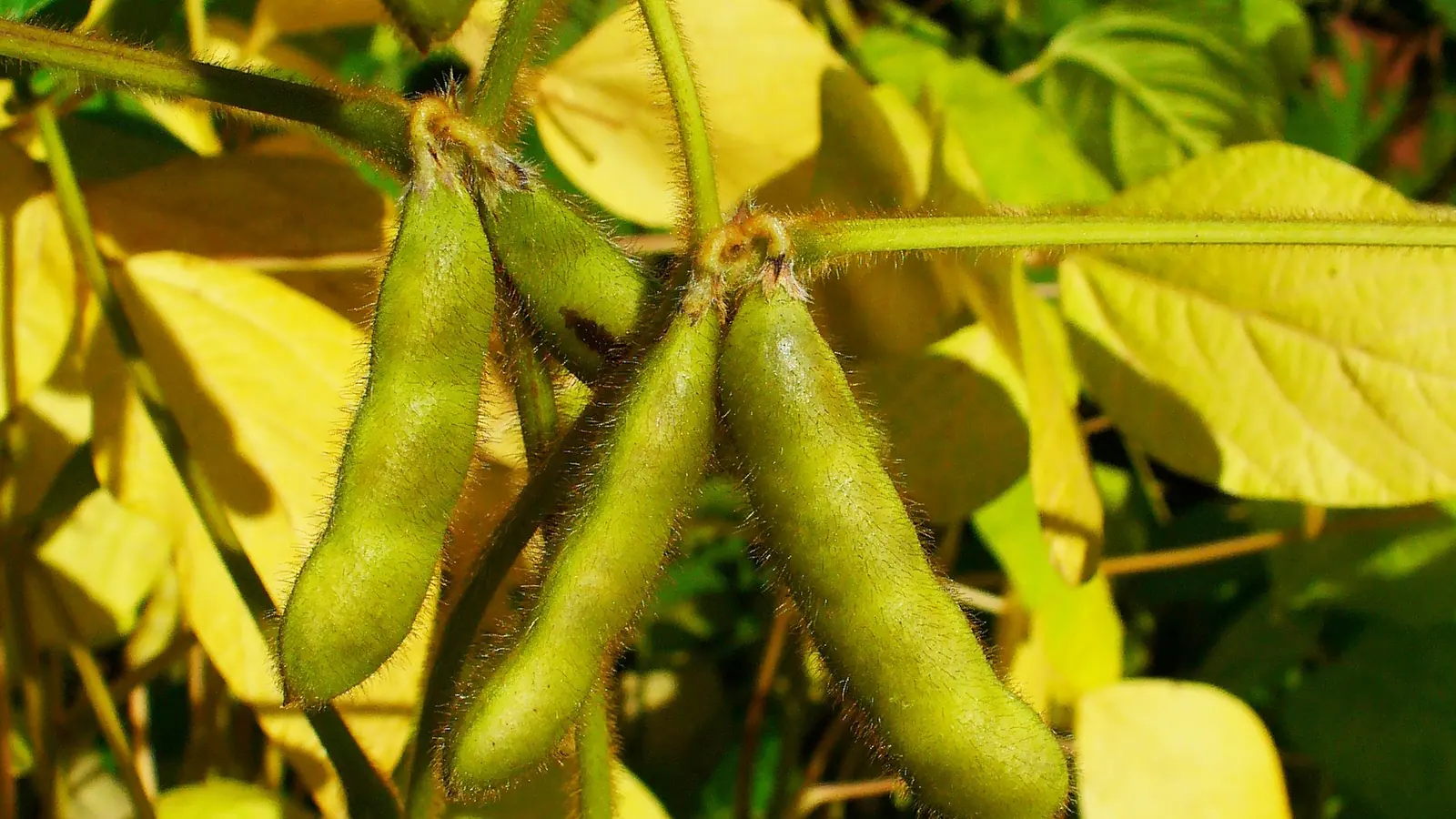

What is a soy allergy? A soy allergy is an immune reaction to proteins in soybeans that usually causes hives, itching, vomiting or a runny nose, and occasionally a severe reaction. It’s mostly a childhood allergy that starts in infancy, and many children outgrow it. Because soy is in a huge range of processed foods, reading labels is the core of managing it.
Emergency: Trouble breathing, throat swelling, repeated vomiting or fainting after soy can be anaphylaxis. Use an epinephrine auto-injector if one has been prescribed and call 911. See our guide to anaphylaxis symptoms.
Soy allergy symptoms
Most reactions to soy are mild to moderate, but severe ones happen. Typical signs include:
- Hives, itching or redness, often around the mouth
- Tingling in the mouth or swelling of the lips
- Vomiting, belly pain or diarrhea
- Runny nose, coughing or wheezing
In babies, soy can also cause a delayed reaction that mainly affects the gut, with vomiting or diarrhea hours after feeding. A review by Kattan and colleagues describes both the immediate and delayed forms in milk and soy allergy. Allergy tests are often negative in the delayed type.
Do children outgrow soy allergy?
Most eventually do. In a study of 133 children seen at an allergy clinic, Savage and colleagues predicted soy allergy would resolve in about 25% by age 4, 45% by age 6 and 69% by age 10. Children with lower soy antibody levels were more likely to outgrow it.
An allergist can repeat tests over time and decide when a supervised food challenge makes sense.
Soy and peanut
Soybeans and peanuts are both legumes. In the same clinic study, 88% of the children with soy allergy were also allergic to peanut. Being allergic to one doesn’t mean you’ll react to the other, but allergists usually check both before clearing either.
Reading U.S. labels for soy
Soybeans are one of the nine major food allergens, so the FDA requires packaged foods to name soy in the ingredient list or a “Contains” statement. The rule covers ingredients made from soy too. The FDA’s own example of correct labeling is “lecithin (soy)”.
Soy hides in many foods: soy sauce, miso, tempeh, tofu, edamame, textured vegetable protein, soy protein isolate, many vegetarian meat substitutes, baked goods and some canned soups.
Two exceptions to know:
- Highly refined soybean oil is exempt from allergen labeling, because refining removes most of the protein. Cold-pressed or expeller-pressed soy oil isn’t refined in the same way, so ask your allergist about oils.
- Restaurant and bakery-counter food isn’t covered by these labels. Ask how dishes are made.
Soy formula for babies
Soy formula is sometimes suggested for babies who can’t take cow’s milk formula. The American Academy of Pediatrics says soy formula has only limited uses and reviews when it shouldn’t be used. Some babies with milk allergy react to soy as well. If your baby needs a formula for allergy, see our guide to hypoallergenic formula and talk with your pediatrician first.
For the other major allergens and how diagnosis works, see our main guide to food allergies. Soy allergy often sits alongside peanut allergy and milk allergy.
More in Food allergies

Food Allergies: The 9 Major Allergens, Symptoms and Labels
Food allergies, from the nine major U.S. allergens to symptoms and anaphylaxis, which tests work, how to read labels, and what's new from the FDA.
Tree Nut Allergy: Which Nuts Count, Symptoms and Labels
Tree nut allergy: the 12 nuts the FDA counts, why coconut is now off the list, cross-reactions, symptoms, testing and reading U.S. food labels.
Anaphylaxis Symptoms: Signs, What to Do and Epinephrine
Anaphylaxis symptoms to act on: the warning signs doctors use, why epinephrine comes first, the nasal spray option, and what to do after a reaction.
Shellfish Allergy: Symptoms, Labels and the Iodine Myth
Shellfish allergy: crustaceans vs mollusks, symptoms, why it's so common in adults, what U.S. labels must show, and why iodine isn't the cause.
Sources & further reading
- U.S. Food and Drug Administration — Food allergies: soybeans as a major food allergen and the highly refined oil exemption.
- U.S. Food and Drug Administration — Consumer update on allergen labeling, with "lecithin (soy)" as an example of how the food source must be named.
- Journal of Allergy and Clinical Immunology — Savage and colleagues, 2010: study of 133 children with soy allergy predicting resolution in 25% by age 4, 45% by age 6 and 69% by age 10, with 88% also allergic to peanut. DOI: 10.1016/j.jaci.2009.12.994.
- Pediatric Clinics of North America — Kattan and colleagues, 2011: review of the epidemiology, symptoms, natural history and diagnosis of milk and soy allergy. DOI: 10.1016/j.pcl.2011.02.005.
- Pediatrics — Bhatia and colleagues, 2008: american Academy of Pediatrics report on the limited uses and the contraindications of soy protein-based infant formula. DOI: 10.1542/peds.2008-0564.
- Journal of Allergy and Clinical Immunology — Boyce and colleagues, 2010: NIAID expert panel guidelines for diagnosing and managing food allergy in the United States. DOI: 10.1016/j.jaci.2010.10.008.