Wheat Allergy: Symptoms, Celiac Disease, Gluten-Free Labels
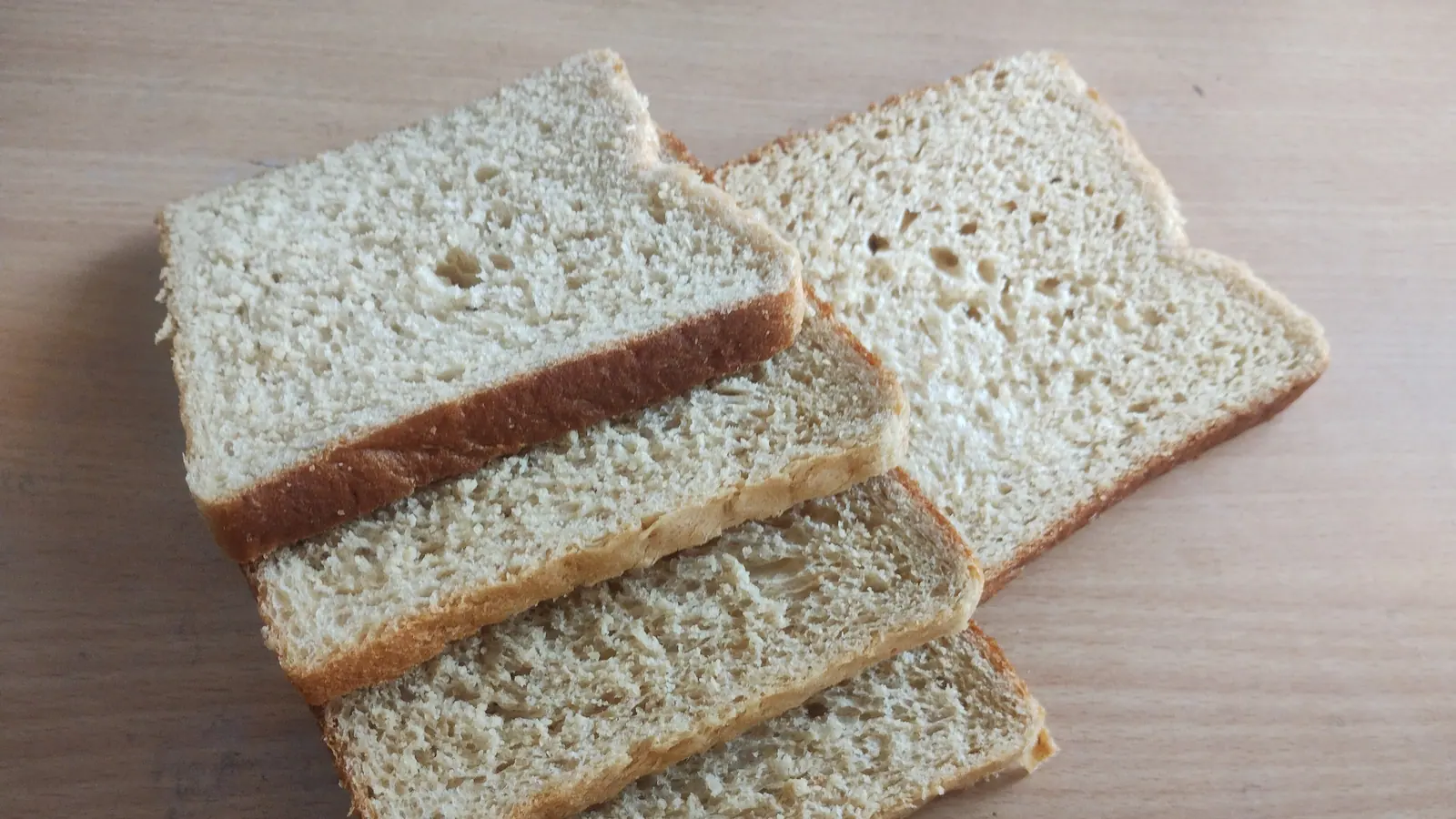

What is a wheat allergy? A wheat allergy is an immune reaction to proteins in wheat that can cause hives, vomiting, a stuffy nose, wheezing or anaphylaxis, usually within minutes to two hours of eating it. It isn’t the same as celiac disease, and most children who have it outgrow it.
Emergency: Trouble breathing, throat swelling, fainting, or widespread hives after wheat, especially during or after exercise, can be anaphylaxis. Use an epinephrine auto-injector if one has been prescribed and call 911. See our guide to anaphylaxis symptoms.
Wheat allergy vs celiac disease vs gluten sensitivity
These three get mixed up all the time, and the advice for each is different. The NIDDK describes celiac disease as an immune disorder triggered by gluten that damages the small intestine, and notes that wheat allergy doesn’t cause that damage.
| Wheat allergy | Celiac disease | Non-celiac gluten sensitivity | |
|---|---|---|---|
| What reacts | IgE or other allergic immune response to wheat proteins | Autoimmune response to gluten | Not well understood |
| Triggers | Wheat only | Wheat, barley and rye | Often wheat |
| Typical symptoms | Hives, swelling, vomiting, wheezing, anaphylaxis | Gut symptoms, tiredness, anemia, poor growth | Gut symptoms, tiredness |
| Gut damage | No | Yes | No |
| Barley and rye | Ask your allergist | Must be avoided | Varies |
A review by Størdal and Kurppa notes that wheat allergy also has a delayed, non-IgE form that mainly affects the gut and is harder to diagnose.
Why “gluten-free” isn’t always “wheat-free”
This is the label trap that catches people most. Under the FDA’s gluten-free rule, a food labeled gluten-free can contain an ingredient made from wheat that has been processed to remove gluten, such as wheat starch, as long as the food stays under 20 parts per million of gluten.
That’s fine for most people with celiac disease, but other wheat proteins can still be present. Wheat is also one of the nine major allergens, so the FDA requires it to be named on packaged foods. If you have a wheat allergy, read for the word “wheat” rather than relying on the gluten-free logo.
Wheat turns up in soy sauce, many breaded and fried foods, gravies, soups thickened with flour, beer, couscous, bulgur, semolina, spelt and farro.
Wheat allergy triggered by exercise
Some people can eat wheat without trouble on a quiet day but react badly if they exercise within a few hours of eating it. This is wheat-dependent exercise-induced anaphylaxis. A review by Faihs and colleagues lists exercise, nonsteroidal pain relievers such as aspirin and ibuprofen, and alcohol as the usual cofactors, and an omega-5 gliadin blood test as the most common marker.
Management is built around individual dietary advice. Some people avoid wheat completely; the same review notes that others keep eating wheat but never together with a cofactor, which may help tolerance more. Everyone with this diagnosis should carry an epinephrine auto-injector.
Wheat in skin care
Wheat proteins also appear in cosmetics as hydrolyzed wheat protein. In Japan, Chinuki and Morita described a wave of patients who became allergic through a facial soap containing hydrolyzed wheat protein and later reacted to eating wheat. If you have a wheat allergy, check the ingredient lists of soaps, shampoos and lotions too. Our guide to hypoallergenic soap covers what else to look for.
Do children outgrow wheat allergy?
Most do. In a study of 103 children by Keet and colleagues, wheat allergy had resolved in 29% by age 4, 56% by age 8 and 65% by age 12. Higher wheat antibody levels went with allergy that lasted longer. An allergist can decide when a supervised food challenge makes sense.
For the other major allergens and how diagnosis works, see our main guide to food allergies.
See also our guide to gluten intolerance.
More in Food allergies

Food Allergies: The 9 Major Allergens, Symptoms and Labels
Food allergies, from the nine major U.S. allergens to symptoms and anaphylaxis, which tests work, how to read labels, and what's new from the FDA.
Tree Nut Allergy: Which Nuts Count, Symptoms and Labels
Tree nut allergy: the 12 nuts the FDA counts, why coconut is now off the list, cross-reactions, symptoms, testing and reading U.S. food labels.
Anaphylaxis Symptoms: Signs, What to Do and Epinephrine
Anaphylaxis symptoms to act on: the warning signs doctors use, why epinephrine comes first, the nasal spray option, and what to do after a reaction.

Shellfish Allergy: Symptoms, Labels and the Iodine Myth
Shellfish allergy: crustaceans vs mollusks, symptoms, why it's so common in adults, what U.S. labels must show, and why iodine isn't the cause.
Sources & further reading
- U.S. Food and Drug Administration — Food allergies: wheat as one of the nine major food allergens, and the foods labeling rules don't cover.
- U.S. Food and Drug Administration — Questions and answers on the gluten-free food labeling final rule, including wheat starch and the 20 ppm limit.
- National Institute of Diabetes and Digestive and Kidney Diseases (NIH) — Definition and facts for celiac disease, including how it differs from wheat allergy.
- Annals of Allergy, Asthma & Immunology — Keet and colleagues, 2009: study of 103 children in which wheat allergy resolved in 29% by age 4, 56% by age 8 and 65% by age 12. DOI: 10.1016/s1081-1206(10)60513-3.
- Journal of the German Society of Dermatology (JDDG) — Faihs and colleagues, 2023: review of wheat-dependent exercise-induced anaphylaxis, its cofactors, diagnosis and management. DOI: 10.1111/ddg.15162.
- Seminars in Immunology — Størdal and Kurppa, 2025: review comparing celiac disease, non-celiac wheat sensitivity and IgE and non-IgE wheat allergy. DOI: 10.1016/j.smim.2025.101930.
- Allergology International — Chinuki and Morita, 2012: japanese cases of wheat allergy that began through skin contact with hydrolyzed wheat protein in a facial soap. DOI: 10.2332/allergolint.12-rai-0494.