Hypoallergenic Soap: What the Label Means and What to Pick
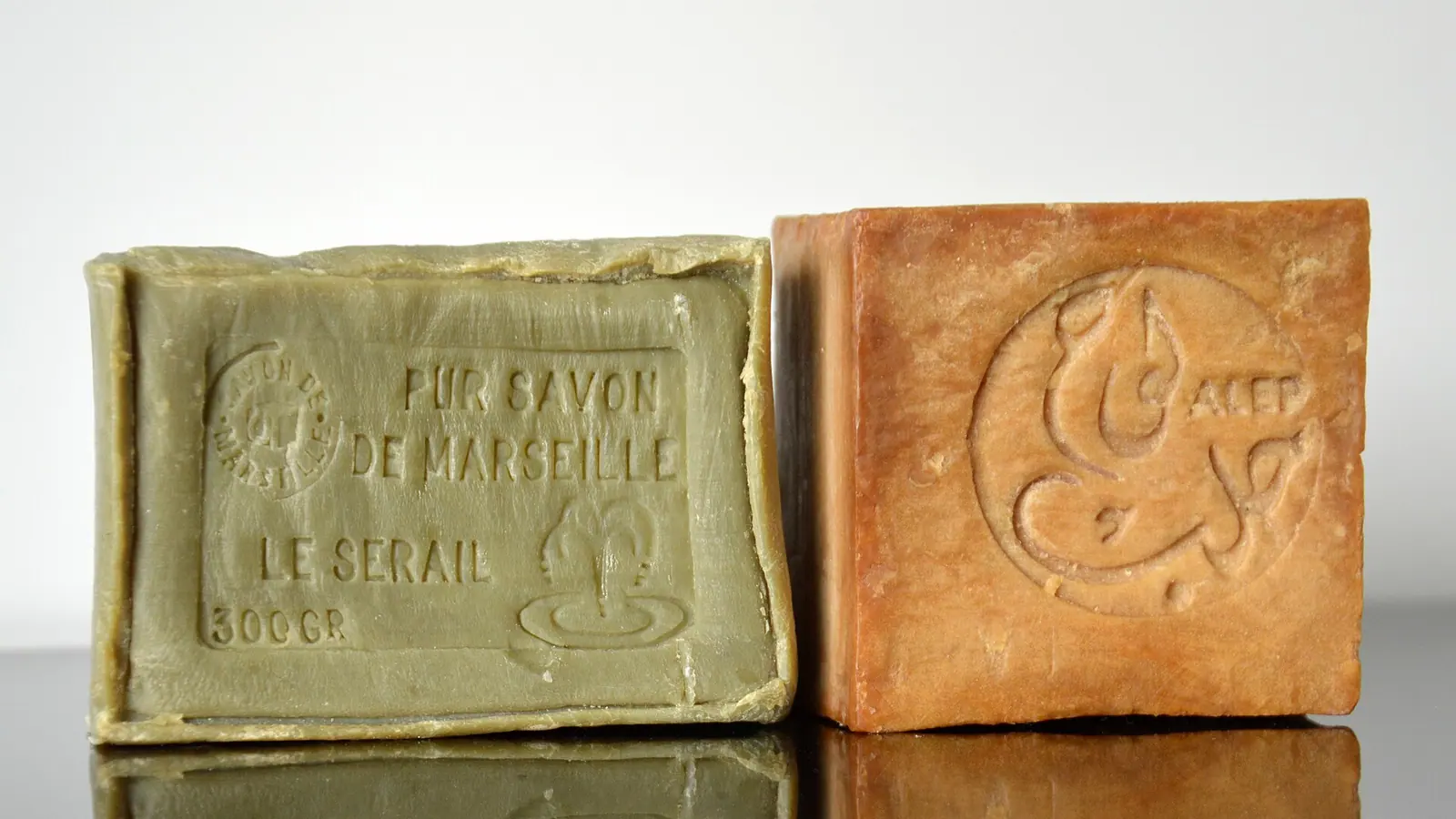

What is hypoallergenic soap? Hypoallergenic soap is a cleanser the maker says is less likely to cause allergic reactions, but the word has no legal definition and isn’t checked by any agency. For sensitive skin, what helps is a fragrance-free, mild synthetic cleanser (a syndet) with a short ingredient list free of the allergens you know you react to.
What “hypoallergenic” means on a soap label
Very little. The FDA says there are no federal standards or definitions for the term, that it “means whatever a particular company wants it to mean,” and that makers don’t have to prove it. Our guide on what hypoallergenic means goes into the history.
So treat the claim as marketing and read the ingredient list instead. If you’ve had a reaction before, a patch test with a dermatologist tells you exactly which ingredients to avoid.
True soap vs syndet bars
Most “soap” isn’t soap in the strict sense. The FDA’s soap FAQ explains that true soap is made by combining fats or oils with an alkali such as lye, and that there are very few true soaps on the market today. Most bars and body washes are synthetic detergents, often called syndets.
The difference matters for dry or sensitive skin:
| True soap | Syndet bar or wash | |
|---|---|---|
| Made from | Fats or oils plus an alkali | Synthetic surfactants |
| pH | Alkaline | Usually closer to skin’s slightly acidic pH |
| On dry or eczema-prone skin | Often feels tight and drying | Usually milder |
| Regulated by | Consumer Product Safety Commission, if it meets the FDA definition of soap | FDA, as a cosmetic (or a drug, if it makes drug claims) |
A review by Ananthapadmanabhan and colleagues explains that harsh surfactants bind to skin proteins and lipids, causing tightness, dryness and irritation, and that a high pH adds to the damage. In a 10-week double-blind home-use study by Barel and colleagues, women rated an alkaline soap bar as more irritating than a syndet bar, and the soap bar was clearly more irritating in a standard irritation test.
Irritation is the most common problem with cleansers. It isn’t an allergy, but it can look the same and it opens the way for allergens.
Ingredients behind most soap reactions
Fragrance. Fragrance is one of the most common causes of contact allergy to cosmetics. A review by Sukakul and colleagues notes that fragrance mixtures and natural extracts contain many possible sensitizers. “Unscented” products can still contain masking fragrance, so look for “fragrance-free” and check the list for “fragrance,” “parfum” and essential oils. Our guide to fragrance-free vs unscented explains the difference.
Preservatives. Liquid soaps and body washes need preservatives. Methylisothiazolinone (MI) became a common cause of contact allergy in the 2010s and still turns up in some liquid soaps and wipes. See our guide to methylisothiazolinone allergy.
Foaming agents. Cocamidopropyl betaine is a common mild surfactant. In German patch test data from 83,864 patients analyzed by Schnuch and colleagues, about 2% reacted, but the reactions were weak and poorly reproducible.
Plant proteins. In Japan, Chinuki and Morita described patients who became allergic to wheat after using a facial soap containing hydrolyzed wheat protein. If you have a food allergy, check cleansers for that food’s proteins too. See our guide to wheat allergy.
How to choose a cleanser for sensitive skin
- Fragrance-free, with no essential oils or botanical extracts if you react easily.
- A syndet bar or a non-foaming cream cleanser rather than a traditional alkaline soap.
- A short ingredient list, so it’s easier to spot your known allergens.
How you wash matters as much as what you use. Use lukewarm water, clean only the areas that need it, pat dry, and put on a fragrance-free moisturizer while your skin is still a little damp.
If a new soap stings, itches or causes a rash, stop using it. A rash that keeps coming back where the cleanser touches is a reason to ask a dermatologist about patch testing. Our guide on how to patch test skincare shows how to try a new product safely at home first.
For cleansers made for the face, read hypoallergenic face wash. If your underarms react after washing, the deodorant is often the cause: see hypoallergenic deodorant.
More in Skincare
What Does Hypoallergenic Mean on a Label? The Legal Answer
What does hypoallergenic mean? In the US it has no legal definition for cosmetics, detergents or jewelry. What the FDA says and which signals count.
Fragrance Free vs Unscented: Why the Difference Matters
Fragrance free vs unscented: unscented products can hide masking fragrance, and fragrance-free ones may still contain scented plant oils. Read the label.
Fragrance Free Moisturizer for Sensitive Skin: How to Choose
How to choose a fragrance free moisturizer for sensitive or eczema-prone skin: ointments vs creams, barrier-repair ingredients and common irritants.
Hypoallergenic Makeup for Sensitive Eyes: What to Look For
Hypoallergenic makeup for sensitive eyes: how to choose mascara, liner and shadow when your eyelids itch or water, and the hygiene habits that matter most.
Sources & further reading
- U.S. Food and Drug Administration — "Hypoallergenic" cosmetics: no federal standard or definition, and no requirement to substantiate the claim.
- U.S. Food and Drug Administration — Frequently asked questions on soap: true soap vs synthetic detergent cleansers and how each is regulated.
- Dermatologic Therapy — Ananthapadmanabhan and colleagues, 2004: review of how harsh surfactants and high pH damage skin proteins and lipids, and what makes a cleanser mild. DOI: 10.1111/j.1396-0296.2004.04s1002.x.
- Skin Research and Technology — Barel and colleagues, 2001: 10-week double-blind comparison in which users rated an alkaline soap bar as more irritating than a syndet bar. DOI: 10.1034/j.1600-0846.2001.70208.x.
- Contact Dermatitis — Schnuch and colleagues, 2011: analysis of 83,864 patch tests with the foaming agent cocamidopropyl betaine, with poorly reproducible reactions in about 2%. DOI: 10.1111/j.1600-0536.2010.01863.x.
- Acta Dermato-Venereologica — Sukakul and colleagues, 2024: review of fragrance contact allergy and of how it is diagnosed with patch testing. DOI: 10.2340/actadv.v104.40332.
- Allergology International — Chinuki and Morita, 2012: cases in Japan in which hydrolyzed wheat protein in a facial soap led to wheat allergy. DOI: 10.2332/allergolint.12-rai-0494.