Hypoallergenic Face Wash: How to Pick One for Sensitive Skin
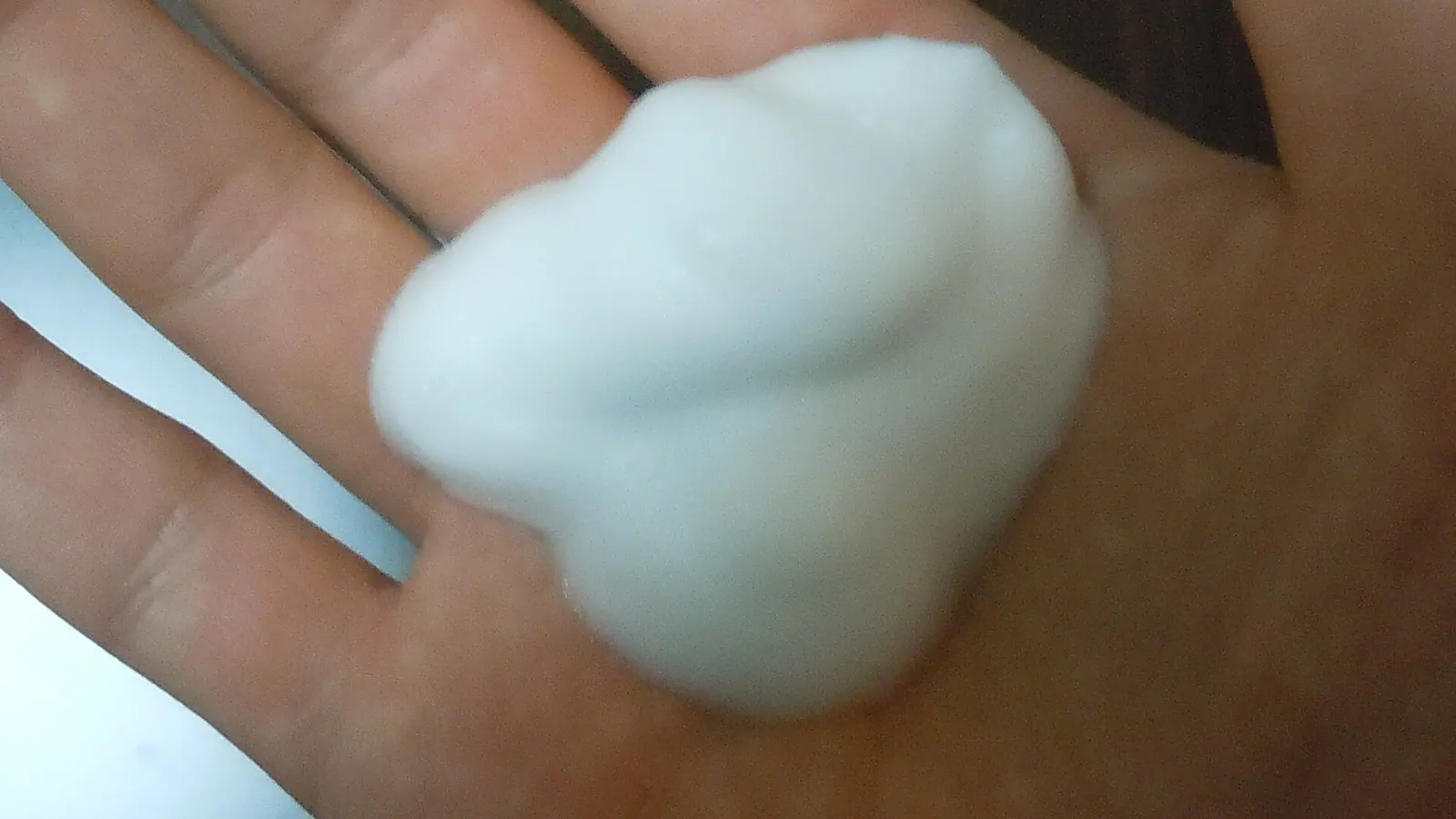

What is a hypoallergenic face wash? A hypoallergenic face wash is a cleanser its maker says is less likely to cause reactions, usually because it leaves out fragrance and harsh foaming agents. The label isn’t regulated, though, and many products that carry it still contain common allergens. For sensitive skin, look for a fragrance-free cleanser with mild surfactants and no methylisothiazolinone, and check the full ingredient list rather than the front of the bottle.
The label promises less than you’d think
The FDA says there are no federal standards or definitions for “hypoallergenic,” and companies don’t have to prove the claim. When Hiranput and colleagues checked 208 personal care products marketed as hypoallergenic at two UK retailers, 153 (73.6%) contained at least one allergen from the British baseline patch test series. Fragrance appeared in 40.1% of them, and parabens were the most common allergen in rinse-off products.
Sensitive skin is common, especially on the face
An international expert group led by Misery defines sensitive skin as stinging, burning, itching or tingling triggered by things that shouldn’t cause it, without a skin disease to explain it. The face is the area most often affected. Pooling 26 studies of 51,783 people, Chen and colleagues found 64% reported some facial sensitivity and 34% moderate or high sensitivity, though questionnaires may overstate it.
Cleanser ingredients most linked to reactions
There are two kinds of reaction. Irritation is direct damage from a harsh ingredient. Allergy is an immune reaction to an ingredient you’ve become sensitized to.
| Ingredient | Problem | What the studies found |
|---|---|---|
| Sodium lauryl sulfate (SLS) | Irritant | 22.4% of 43,478 patients had an irritant reaction on testing (Forkel and colleagues) |
| Cocamidopropyl betaine | Allergen | Linked to 9.5% of cleanser-related dermatitis (Warshaw and colleagues) |
| Methylisothiazolinone (MI) | Allergen | 2.9% of European patients allergic; 73.3% of reactions linked to rinse-off cosmetics (Schwensen and colleagues) |
| Quaternium-15 | Formaldehyde-releasing preservative | The most often implicated cleanser allergen, at 11.2% (Warshaw) |
| Fragrance | Allergen | Fragrance mix I implicated in 7.7% (Warshaw) |
The Warshaw study covered 32,945 patch-tested patients, of whom 3.2% had dermatitis linked to skin cleansers; most cases involved the hands. Cocamidopropyl betaine also has close chemical relatives. Fowler and colleagues found reactions to it, dimethylaminopropylamine and oleamidopropyl dimethylamine overlapped heavily, so if you react to one, avoid the family.
How to choose and use a face wash
- Fragrance-free rather than “unscented”; see fragrance-free vs unscented.
- No MI or formaldehyde releasers such as quaternium-15, DMDM hydantoin or imidazolidinyl urea. Our guides to methylisothiazolinone and formaldehyde allergy list the names.
- Milder surfactants. A cream or lotion cleanser usually foams less than a gel and is gentler on dry, reactive skin.
- Lukewarm water, a small amount, fingertips only. Skip scrubs and brushes when your skin is irritated.
- Moisturize afterward with a fragrance-free moisturizer.
- Test new products on a small patch first, as described in patch test skincare.
If a rash keeps coming back, a dermatologist’s patch test can identify the ingredient. For body cleansers, read hypoallergenic soap.
More in Skincare
What Does Hypoallergenic Mean on a Label? The Legal Answer
What does hypoallergenic mean? In the US it has no legal definition for cosmetics, detergents or jewelry. What the FDA says and which signals count.
Fragrance Free vs Unscented: Why the Difference Matters
Fragrance free vs unscented: unscented products can hide masking fragrance, and fragrance-free ones may still contain scented plant oils. Read the label.
Fragrance Free Moisturizer for Sensitive Skin: How to Choose
How to choose a fragrance free moisturizer for sensitive or eczema-prone skin: ointments vs creams, barrier-repair ingredients and common irritants.
Hypoallergenic Makeup for Sensitive Eyes: What to Look For
Hypoallergenic makeup for sensitive eyes: how to choose mascara, liner and shadow when your eyelids itch or water, and the hygiene habits that matter most.
Sources & further reading
- U.S. Food and Drug Administration — There are no federal standards or definitions for the term "hypoallergenic," and companies selling cosmetics labeled hypoallergenic do not have to submit proof of the claim to FDA.
- Acta Dermato-Venereologica — Misery and colleagues, 2017: an international expert group used a Delphi process to define sensitive skin as unpleasant sensations (stinging, burning, pain, itch, tingling) triggered by things that normally should not cause them, without a skin disease to explain them. DOI: 10.2340/00015555-2397.
- Journal of the European Academy of Dermatology and Venereology — Chen and colleagues, 2020: pooling 26 studies of 51,783 people in 18 countries, 71% reported some degree of sensitive skin and 40% said it was moderately or very sensitive. DOI: 10.1111/jdv.16166.
- Dermatitis — Warshaw and colleagues, 2018: of 32,945 patch-tested patients, 1,069 (3.2%) had allergic or irritant dermatitis linked to skin cleansers. DOI: 10.1097/DER.0000000000000330.
- Dermatitis — Fowler and colleagues, 2015: among 10,877 patients patch tested in North America in 2009-2014, 1.4% reacted to cocamidopropyl betaine, 1.7% to dimethylaminopropylamine and 2.3% to oleamidopropyl dimethylamine. DOI: 10.1097/DER.0000000000000150.
- Contact Dermatitis — Forkel and colleagues, 2026: in 43,478 patients patch tested in the German-speaking IVDK network, 22.4% showed an irritant skin reaction to 0.25% sodium lauryl sulfate, mostly weak redness. DOI: 10.1111/cod.70075.
- Contact Dermatitis — Schwensen and colleagues, 2024: in 2,554 patients patch tested across eight European countries in 2022, 2.9% were allergic to methylisothiazolinone, about half the 2015 rate after EU limits on its use. DOI: 10.1111/cod.14641.
- Clinical and Experimental Dermatology — Hiranput and colleagues, 2024: of 208 personal care products marketed as hypoallergenic at two UK retailers in 2022, 153 (73.6%) contained at least one allergen or related chemical from the British baseline patch test series. DOI: 10.1093/ced/llad436.