Fragrance Free Dishwasher Detergent: Residue, Pods, Labels
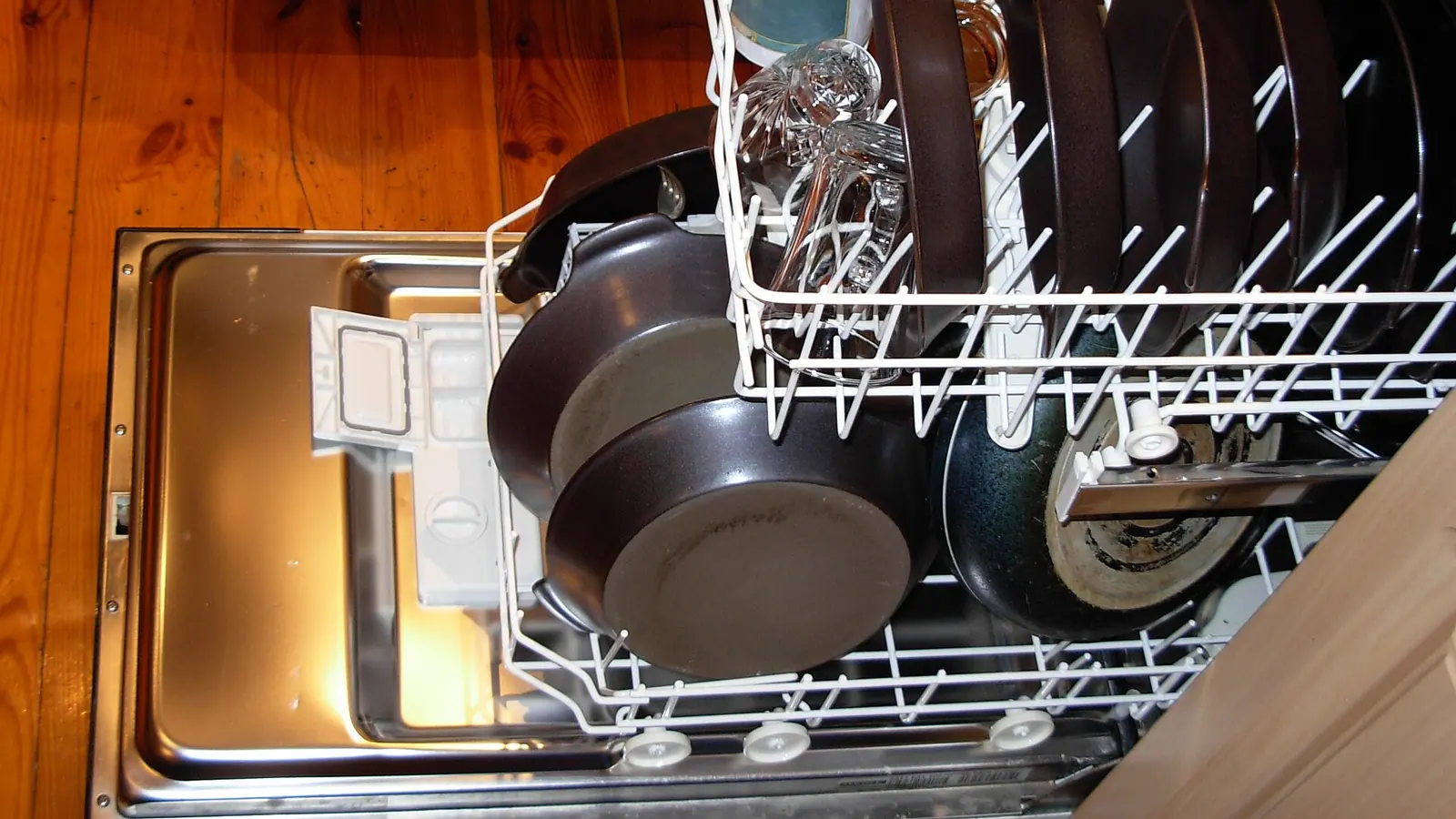

Why choose a fragrance free dishwasher detergent? Because it removes one source of scent chemicals from your home and your dishes. A fragrance free dishwasher detergent has no added perfume, which matters if you have fragrance allergy, asthma triggered by scents or simply dislike chemical smells on glasses. Lab research has also raised questions about detergent and rinse aid residue left on dishes, though that work hasn’t been tested in people.
Fragrance and detergent labels
Fragrance is one of the most common causes of allergic contact dermatitis. In the EU, the 2004 Detergents Regulation requires allergenic fragrances from the cosmetics allergen list to be named on detergent labels when above 0.01%, and perfumes and preservatives to be listed at any level. That cosmetics list is growing: a 2023 regulation from the European Commission added dozens of fragrance allergens for cosmetics, and detergent labelling refers back to it. The EU revised its detergent rules in 2025, so check current labels rather than assuming. In the US there’s no equivalent requirement, so look for “fragrance free” rather than “unscented,” which can mean a masking scent was added. Our guide to fragrance free vs unscented explains the difference.
What studies found on detergent residue
Two lab studies raised concern about residue:
- Rinse aid. Ogulur and colleagues found rinse aid damaged the barrier of human gut-lining cells even at a 1:20,000 dilution, and residue left on dishes from professional dishwashers was enough to harm cells. The culprit was a group of surfactants called alcohol ethoxylates.
- Laundry detergent and airways. Wang and colleagues found highly diluted laundry detergent disrupted cultured human airway cells. No similar airway study of dishwasher detergent exists.
These are cell studies, not studies of people, and the dishwasher work involved professional machines. Still, an extra rinse cycle and using the minimum rinse aid are easy, low-cost steps.
Enzymes in detergents
Many dishwasher detergents contain enzymes that break down food. Cullinan and colleagues describe an asthma outbreak among workers at a detergent factory exposed to airborne enzyme dust. That’s an occupational risk at high exposure, not evidence of harm from using enzyme detergent at home.
Pods and child safety
Dishwasher pods are concentrated and look like sweets. Davis and colleagues counted 62,254 detergent exposures in US children under 6 in 2013-2014; laundry pods caused most serious outcomes, but dishwasher packet exposures rose 14%. In the UK, Day and colleagues found most children who swallowed wrapped dishwasher tablets had no symptoms, though soluble-film tablets caused symptoms more often. Laundry pods are worse: Valdez and colleagues reported 102 children needing a breathing tube and one death. Store all pods locked and out of reach.
How to choose and use it
- Look for “fragrance free” and a full ingredient list.
- Powder or gel lets you use less than a pre-measured pod.
- Go easy on rinse aid, and run an extra rinse if residue worries you.
- Match your hand dish soap. See our guide to hypoallergenic dish soap and hypoallergenic cleaning products.
More in Home
Air Purifier for Allergies: HEPA, CADR and What to Avoid
How to choose an air purifier for allergies to dander, pollen and dust: what true HEPA means, sizing with CADR, avoiding ozone and what it can't do.
Best Vacuum for Allergies: Sealed HEPA Systems Explained
What makes the best vacuum for allergies: sealed HEPA systems, bagged vs bagless for dust mite and pet allergies, and how to vacuum without dust.
Hypoallergenic Cleaning Products: What the Labels Mean
How to choose hypoallergenic cleaning products when fragrance or harsh chemicals bother your skin: EPA Safer Choice, gloves and mixes to avoid.
Hypoallergenic Dish Soap: Protecting Hands From Dishwashing
Hypoallergenic dish soap: why dishwashing irritates hands, the allergens in dish liquids, undeclared preservatives, gloves, and gentler choices.
Sources & further reading
- Journal of Allergy and Clinical Immunology — Ogulur and colleagues, 2023: in lab models of human gut lining, rinse aid was toxic in a dose-dependent way down to a 1:20,000 dilution and disrupted the epithelial barrier, with alcohol ethoxylates identified as the culprit ingredient. DOI: 10.1016/j.jaci.2022.10.020.
- Journal of Allergy and Clinical Immunology — Wang and colleagues, 2019: laundry detergent at a 1:25,000 dilution, and rinse residue diluted a further 1:10, disrupted the barrier of cultured human airway (bronchial) cells from healthy people and patients with asthma or COPD. DOI: 10.1016/j.jaci.2018.11.016.
- Pediatrics — Davis and colleagues, 2016: US poison centers recorded 62,254 exposures to laundry and dishwasher detergents in children under 6 in 2013-2014, 85% by ingestion, and dishwasher detergent packet exposures rose 14% over the period. DOI: 10.1542/peds.2015-4529.
- Clinical Toxicology — Day and colleagues, 2017: of 492 UK patients exposed to wrapped dishwasher tablets, 87.4% were children aged 5 or under and 78.6% had no symptoms; vomiting was the most common effect. DOI: 10.1080/15563650.2016.1264588.
- Pediatrics — Valdez and colleagues, 2014: US poison centers logged 17,230 laundry pod exposures in children under 6 in 2012-2013, 79.7% by swallowing. DOI: 10.1542/peds.2014-0057.
- The Lancet — Cullinan and colleagues, 2000: A European detergent factory that used only encapsulated enzymes had an asthma outbreak as large as those of the 1960s, and enzyme sensitisation and work-related breathing symptoms rose with airborne enzyme exposure. DOI: 10.1016/s0140-6736(00)03264-5.
- EUR-Lex (European Parliament and Council of the European Union) — Under Annex VII of the EU Detergents Regulation, allergenic fragrances from the cosmetics allergen list must be named on the label when added at more than 0.01% by weight, and perfumes and preservatives must be listed whatever their concentration.
- EUR-Lex (European Commission) — This regulation expands the list of individually labelled fragrance allergens in cosmetics beyond the previous 24, after EU scientists identified 56 more.