Contact Dermatitis on Face: Common Causes and Relief
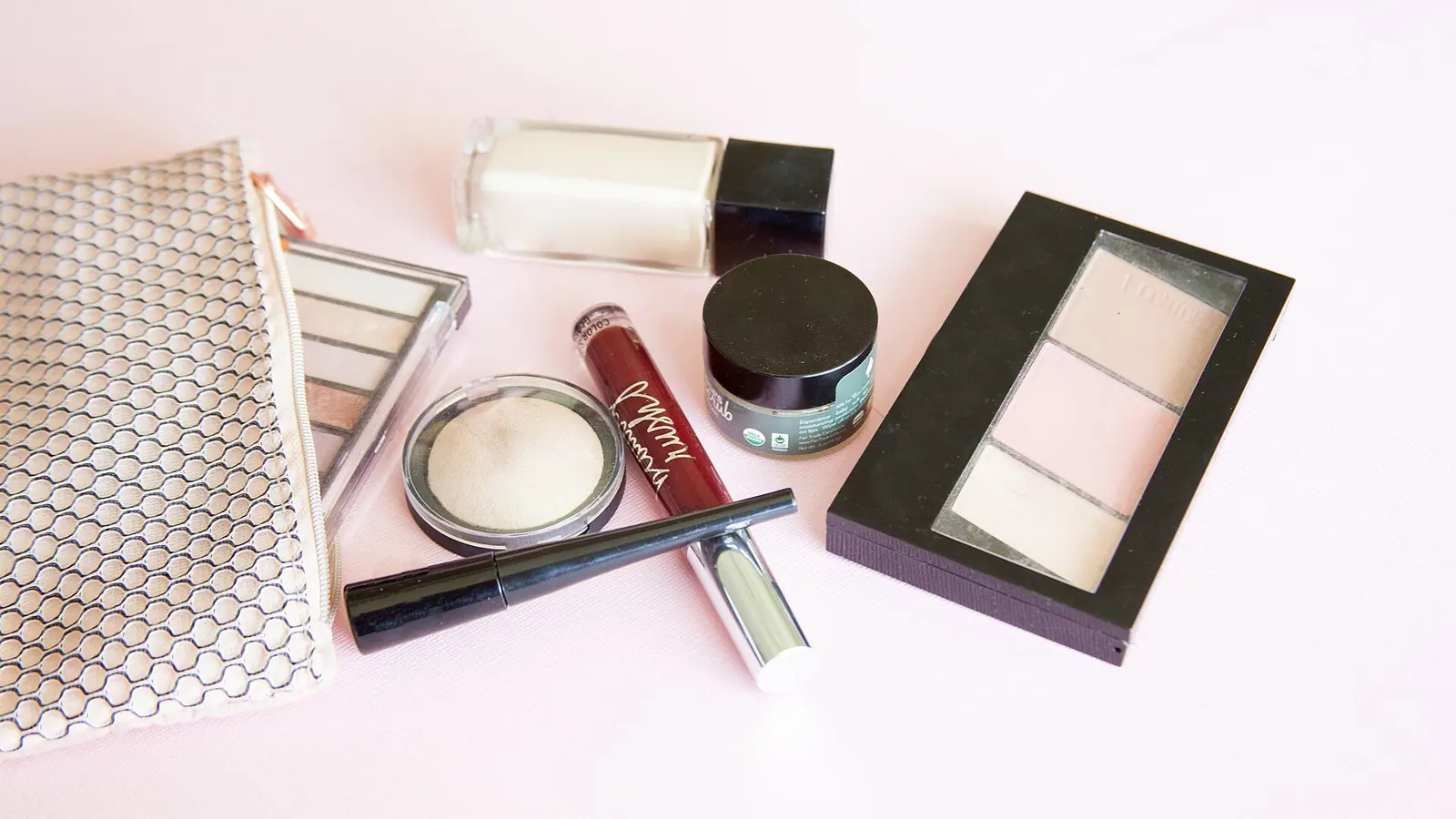

What causes contact dermatitis on the face? Contact dermatitis on face skin is a rash caused by something that touches it, usually a cosmetic, skin care or hair product, fragrance, preservative or metal. It can be allergic, where the immune system reacts to a specific ingredient, or irritant, where a product simply damages the skin. Facial skin is thin and exposed, so it reacts more easily than most areas. The way to find the cause is patch testing, followed by avoiding what you react to.
How common is it?
In North American patch-test data from 2023-2024, Reeder and colleagues found the face (17.7%) and eyelids (12.8%) were among the most common main sites of dermatitis in 3,979 patients, and 70.3% had at least one positive reaction. Across 50,795 patients, Warshaw and colleagues found allergic contact dermatitis was the final diagnosis in 53.5% of people with rashes on the eyelids plus face or neck.
The most common allergens on the face
| Allergen | Where it’s found |
|---|---|
| Nickel | Glasses frames, tweezers, eyelash curlers, phones, jewelry |
| Methylisothiazolinone | Preservative in rinse-off products, wipes, hair care |
| Fragrance mix I / balsam of Peru | Perfumes, scented skin care, flavored lip products |
| Paraphenylenediamine (PPD) | Hair dye, which often causes face and neck rashes |
| Tosylamide formaldehyde resin | Nail polish, transferred when you touch your face |
In men with facial dermatitis, Warshaw and colleagues found methylisothiazolinone and fragrance were the top allergens, and 60.5% of sources were personal care products. In a Brazilian referral center, Hafner and colleagues found the face was the most common site of cosmetic allergy, with nail polish resin, PPD and fragrance among the main causes. Our guides to methylisothiazolinone and fragrance allergy go deeper.
Rashes from things that don’t touch your face
Some face rashes come from elsewhere. MedlinePlus notes that hair products and airborne allergens like perfume sprays, nail lacquer vapor and ragweed can cause contact dermatitis on the face. A review by Huygens and Goossens found airborne contact dermatitis was increasingly reported, often linked to jobs. Nail polish on your fingers can trigger an eyelid rash you’d never connect to your hands.
Why the label “hypoallergenic” doesn’t settle it
The FDA’s page on cosmetic allergens groups common triggers into fragrances, preservatives, dyes such as PPD, latex and metals, and notes that terms like “hypoallergenic” and “fragrance-free” have no federal standard. A product marketed as gentle can still contain your allergen. See what does hypoallergenic mean.
What helps
- Stop new products first. Allergic reactions usually appear 24 to 48 hours after contact, so think back two days.
- Simplify to a fragrance-free cleanser and moisturizer.
- Get patch tested. A standard series can miss allergens, so bring your own products. Most cases clear in 2 to 3 weeks once the trigger is avoided, according to MedlinePlus.
- Patch test new products before using them on your face; see our guide to patch testing skincare and our overview of contact dermatitis.
- See a doctor for swelling, blistering or a rash that spreads.
More in Ingredients & materials

Nickel Allergy: Causes, Sources, Rules and Testing
Nickel allergy: why nickel causes allergic contact dermatitis, where it's found, how US and EU rules differ, and how spot tests and patch tests work.

Fragrance Allergy: What 'Fragrance' and 'Parfum' Can Hide
Fragrance allergy: why one word on a label can stand for dozens of chemicals, which allergens dermatologists test for, and US vs EU label rules.

Methylisothiazolinone (MI): A Preservative Allergy Explained
Methylisothiazolinone (MI) and MCI/MI: where they're used, why allergy to them surged, how the EU restricted them, and how to spot them on labels.
Formaldehyde Allergy and Formaldehyde Releasers on Labels
Formaldehyde allergy: which preservatives release formaldehyde, the label names to look for, where else it turns up, and what US and EU rules say.
Sources & further reading
- Dermatitis® — Reeder and colleagues, 2026: of 3979 patients patch tested in North America in 2023-2024, 70.3% had at least one positive reaction, and the face (17.7%) and eyelids (12.8%) were among the most common main sites of dermatitis. DOI: 10.1177/17103568261486176.
- Journal of the American Academy of Dermatology — Warshaw and colleagues, 2021: among 50,795 patch-tested patients, allergic contact dermatitis was the final diagnosis in 53.5% of those with dermatitis of the eyelids plus head or neck, and 43.4% with eyelids only. DOI: 10.1016/j.jaad.2020.07.020.
- JAMA Dermatology — Warshaw and colleagues, 2020: of men patch tested over 22 years, 1332 had facial dermatitis; the most common clinically relevant allergens were methylisothiazolinone (9.9%), fragrance mix I (8.5%) and balsam of Peru (6.8%). DOI: 10.1001/jamadermatol.2019.3531.
- Anais Brasileiros de Dermatologia — Hafner and colleagues, 2020: among 232 patients with confirmed allergic contact dermatitis to cosmetics at a Brazilian referral center, 89.7% were women and the face was the most common site (25.8%). DOI: 10.1016/j.abd.2020.04.011.
- Contact Dermatitis — Huygens and Goossens, 2001: this review screened nearly a decade of contact dermatitis journals for airborne cases, where allergens or irritants floating in the air reach exposed skin such as the face. DOI: 10.1034/j.1600-0536.2001.440101.x.
- U.S. Food and Drug Administration — FDA groups common cosmetic allergens into latex, fragrances, preservatives, dyes and color additives such as p-phenylenediamine, and metals such as nickel and gold.
- U.S. National Library of Medicine (MedlinePlus) — MedlinePlus says hair products, cosmetics and perfumes can cause reactions on the face, head and neck, and that airborne allergens such as ragweed, perfumes and nail lacquer vapor can also cause contact dermatitis.