Contact Dermatitis: Allergic vs Irritant, Causes and Relief
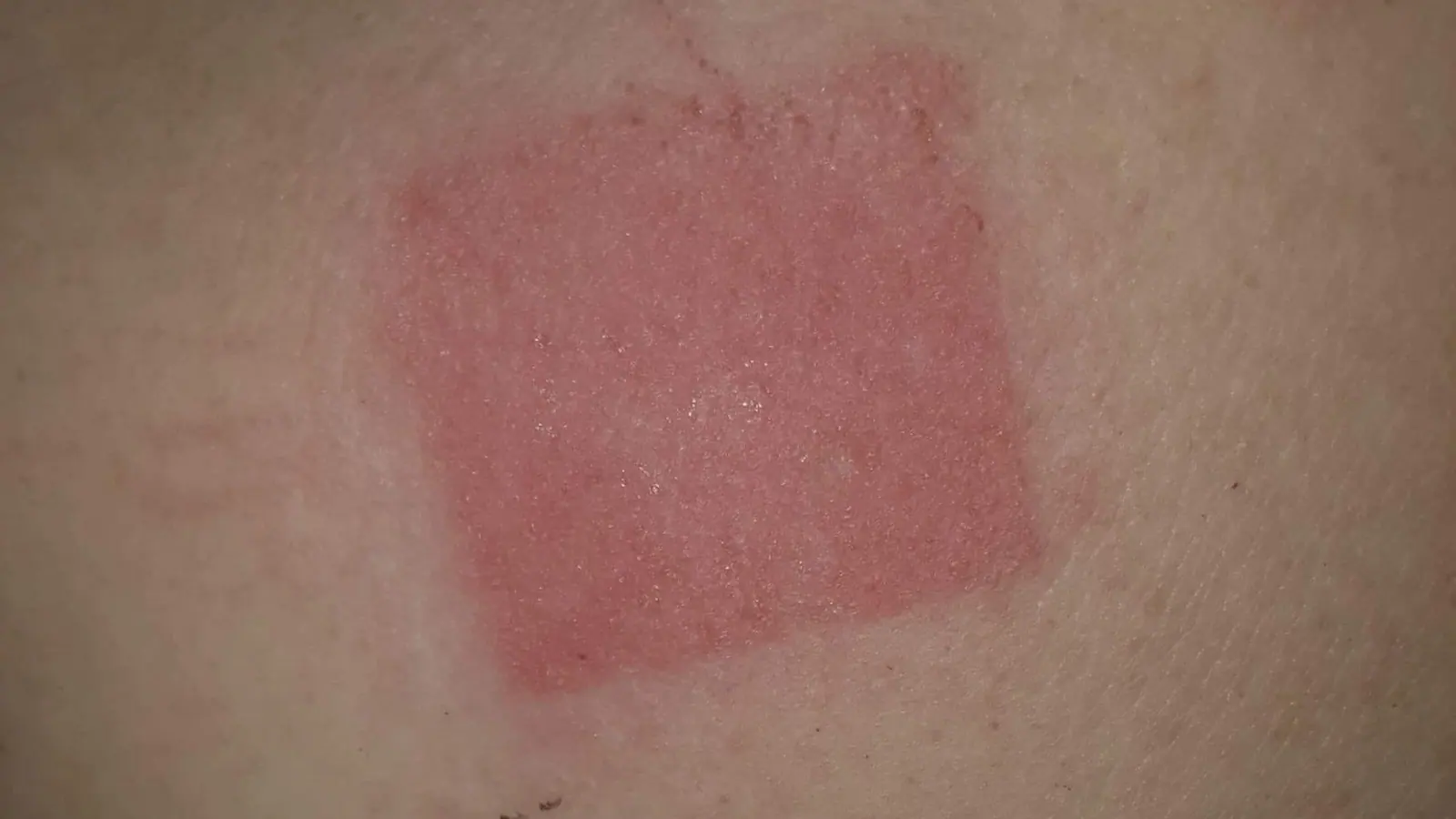

What is contact dermatitis? Contact dermatitis is a red, itchy and sometimes blistering rash that appears where a substance touched the skin. It comes in two types: irritant contact dermatitis, the most common, where the substance damages the skin directly, and allergic contact dermatitis, where the immune system reacts to a specific ingredient such as nickel, fragrance or a preservative.
Irritant vs allergic contact dermatitis
| Irritant contact dermatitis | Allergic contact dermatitis | |
|---|---|---|
| What happens | The substance damages the skin directly | The immune system reacts to a specific allergen |
| Who gets it | Anyone, with enough exposure | Only people sensitized to that substance |
| Typical triggers | Soaps, detergents, water, solvents, friction | Nickel, fragrance, preservatives, rubber chemicals, hair dye, poison ivy |
| Timing | Minutes to hours, or builds up over repeated exposure | Usually 1 to 2 days after contact |
| How it’s confirmed | History and avoiding the irritant | Patch testing |
MedlinePlus describes irritant dermatitis as the most common type and notes that people with atopic dermatitis are more likely to develop it. Allergic contact dermatitis needs an earlier exposure: you don’t react the first time, but after becoming sensitized you react on later contact, sometimes after months or years of using the same product without trouble.
Contact allergy is common. A review by Uter and colleagues estimates that about 27% of the general population in Europe has at least one contact allergy, though not everyone develops a rash.
The most common contact allergens
The North American Contact Dermatitis Group patch tests thousands of patients every two years. In its 2023 to 2024 results, Reeder and colleagues reported that 70.3% of 3,979 tested patients had at least one positive reaction. The top allergens were:
- Nickel (26.4%), from jewelry, belt buckles, jeans buttons and phones; see nickel allergy
- Methylisothiazolinone (9.2%), a preservative in liquid soaps, wipes and cleaners; see methylisothiazolinone allergy
- Cobalt (8.8%), often alongside nickel in metals
- Fragrance mix I (8.7%) and oxidized linalool (8.7%), from scented products; see fragrance allergy
- Balsam of Peru (Myroxylon pereirae, 7.6%), a fragrance and flavor marker
Methylisothiazolinone allergy has been falling since its peak, according to the 2021 to 2022 report, while fragrance allergy remains very common. Other well-known causes include PPD in hair dye, rubber accelerators in gloves, formaldehyde releasers and poison ivy, oak and sumac.
Where the rash shows up
Location is often the best clue. In the 2023 to 2024 data, the most common sites were the hands (18.9%), face (17.7%), widespread patches (16.6%) and eyelids (12.8%). MedlinePlus notes that hair products, cosmetics and perfumes tend to affect the face, head and neck, and that jewelry causes rashes under the item.
Some patterns to look for:
- Earlobes, wrist, belly button: earrings, watch backs, jeans snaps (nickel)
- Eyelids: nail polish, eye makeup, products transferred by the hands
- Hairline and neck: hair dye, shampoo, fragrance
- Hands: gloves, soaps, wet work, preservatives in hand products
Patch testing
If a rash keeps coming back, a dermatologist can find the cause with patch testing. Small amounts of standard allergens are taped to the back for about two days and read again a few days later. The European Society of Contact Dermatitis guideline sets out how testing should be done and read.
A broad series matters: in the North American data, 20.1% of patients reacted to an allergen outside the standard 80-allergen screening panel. Bring the products you use, so the dermatologist can test those too. Before booking, our guide on how to patch test skincare at home explains the simple use test you can try with a single new product.
Treatment and relief
MedlinePlus lists the basics: wash the skin with plenty of water to remove any remaining substance, avoid further contact, and use emollients to restore the skin barrier. A doctor may prescribe a corticosteroid cream for inflammation, or other treatment for severe or widespread rashes.
Day to day, the most important step is avoidance once you know your allergen. Read ingredient lists, choose fragrance-free products if fragrance is your trigger, and wear gloves for wet work. For irritant dermatitis, gentler cleansers help; see our guide to hypoallergenic soap.
See a doctor promptly if a rash is spreading fast, blistering widely, affecting the face or genitals, or showing signs of infection such as pus, warmth or fever.
See also our guide to contact dermatitis on face.
More in Ingredients & materials
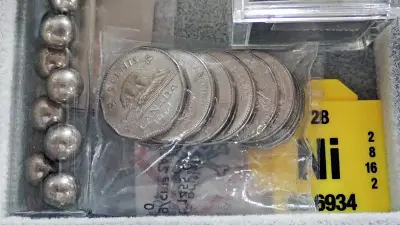
Nickel Allergy: Causes, Sources, Rules and Testing
Nickel allergy: why nickel causes allergic contact dermatitis, where it's found, how US and EU rules differ, and how spot tests and patch tests work.

Fragrance Allergy: What 'Fragrance' and 'Parfum' Can Hide
Fragrance allergy: why one word on a label can stand for dozens of chemicals, which allergens dermatologists test for, and US vs EU label rules.
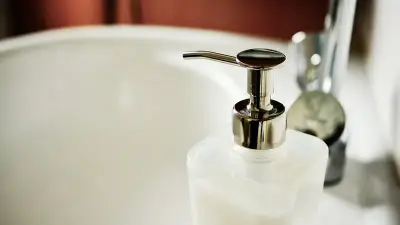
Methylisothiazolinone (MI): A Preservative Allergy Explained
Methylisothiazolinone (MI) and MCI/MI: where they're used, why allergy to them surged, how the EU restricted them, and how to spot them on labels.
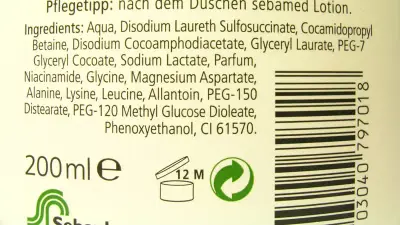
Formaldehyde Allergy and Formaldehyde Releasers on Labels
Formaldehyde allergy: which preservatives release formaldehyde, the label names to look for, where else it turns up, and what US and EU rules say.
Sources & further reading
- MedlinePlus (U.S. National Library of Medicine) — Contact dermatitis: the irritant and allergic types, common causes, symptoms, tests and treatment.
- Dermatitis — Reeder and colleagues, 2026: north American Contact Dermatitis Group results for 3,979 patients tested in 2023 to 2024, with nickel (26.4%), methylisothiazolinone, cobalt and fragrance as top allergens. DOI: 10.1177/17103568261486176.
- Dermatitis — Houle and colleagues, 2025: north American Contact Dermatitis Group results for 2021 to 2022, showing the methylisothiazolinone epidemic declining and fragrance allergy still common. DOI: 10.1089/derm.2024.0474.
- International Journal of Environmental Research and Public Health — Uter and colleagues, 2018: review noting that contact allergy affects about 27% of the general population in Europe and summarizing current problem allergens. DOI: 10.3390/ijerph15061108.
- Contact Dermatitis — Uter and colleagues, 2026: European Society of Contact Dermatitis guideline, updated in 2026, on how diagnostic patch testing should be performed and read. DOI: 10.1111/cod.70195.
- Acta Dermato-Venereologica — Sukakul and colleagues, 2024: review of fragrance contact allergy and of how it is diagnosed with patch testing. DOI: 10.2340/actadv.v104.40332.