Hypoallergenic Foundation: What to Check for Sensitive Skin
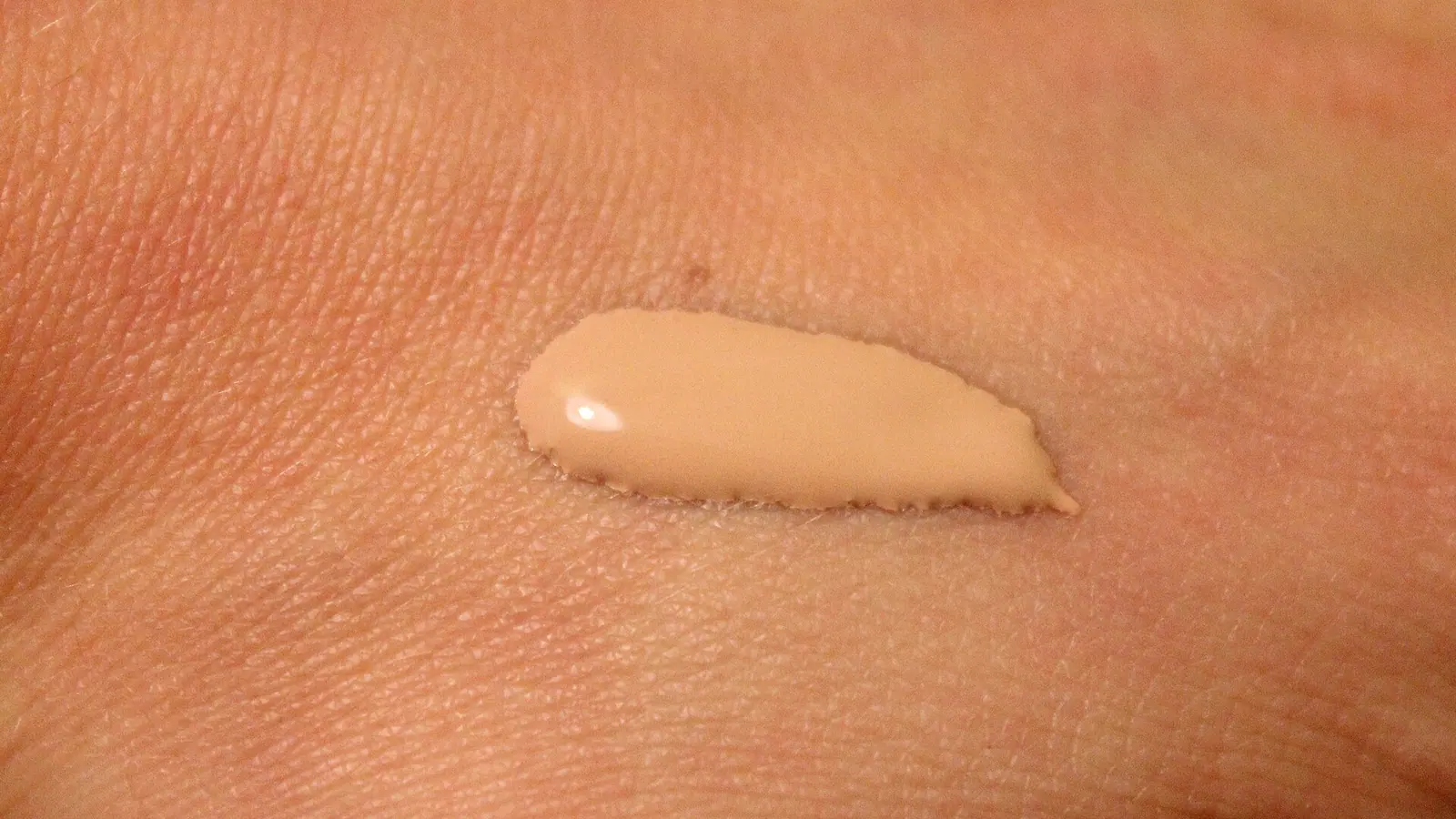

What is a hypoallergenic foundation? A hypoallergenic foundation is one its maker says is less likely to cause reactions, typically fragrance-free and made without some common preservatives. The word has no legal definition, so the ingredient list matters more. For sensitive or allergy-prone skin, look for a fragrance-free foundation without methylisothiazolinone, and test it on a small area before wearing it all over your face.
What the label means
The FDA says there are no federal standards or definitions for “hypoallergenic,” and companies don’t have to prove the claim to the agency. Our guide to what hypoallergenic means explains the background.
How often cosmetics cause facial rashes
More often than people expect. In 10,061 patch-tested patients, Warshaw and colleagues traced at least one allergic reaction to a cosmetic in 23.8% of women and 17.8% of men. Among women with cosmetic allergy, half had dermatitis on the head and neck.
The face is a common site in general. In North American patch-test data for 2023 to 2024, Reeder and colleagues found the face was the main rash site in 17.7% of patients. In a Thai clinic study of patients with facial dermatitis, Kasemsarn and colleagues diagnosed allergic contact dermatitis in 45.5%, with a history of cosmetic allergy and reactions to preservatives as risk factors.
The ingredients to watch
No study has looked at foundation on its own, but the allergens behind facial cosmetic reactions are well known:
- Fragrance. In a random sample of 3,119 European adults, Diepgen and colleagues found 2.6% allergic to fragrance mix I and 1.9% to fragrance mix II, about twice as often in women. Fragrance mix I reacted in 8.7% of patients in the Reeder data.
- Preservatives. Across more than 1.5 million dermatitis patients, Isufi and colleagues found contact allergy to methylisothiazolinone in 5.48%, though rates are falling since regulation. In the Reeder data it was the top allergen at 9.2%. See methylisothiazolinone.
- Balsam of Peru (Myroxylon pereirae), a fragrance-related allergen, at 7.6% in the Reeder data.
- Pigments rarely cause allergy. Saxena and colleagues describe a case of eyelid allergy to black iron oxide from mascara and could find only one earlier report.
Pigments are also regulated. The FDA’s color additives fact sheet says every color additive in a cosmetic must be approved for that use, and some must be batch certified.
How to choose and test a foundation
- Fragrance-free, with no essential oils or botanical perfumes.
- No MI or formaldehyde-releasing preservatives if you’ve reacted before.
- Shorter ingredient lists are easier to check against your patch-test results.
- Do a use test. Apply a small amount to the same spot, such as near the jawline, once or twice a day for several days. Our patch test skincare guide explains how.
- Keep applicators clean and replace sponges often.
For eye products, read hypoallergenic mascara and hypoallergenic makeup. If fragrance is your trigger, see fragrance allergy.
More in Skincare
What Does Hypoallergenic Mean on a Label? The Legal Answer
What does hypoallergenic mean? In the US it has no legal definition for cosmetics, detergents or jewelry. What the FDA says and which signals count.
Fragrance Free vs Unscented: Why the Difference Matters
Fragrance free vs unscented: unscented products can hide masking fragrance, and fragrance-free ones may still contain scented plant oils. Read the label.
Fragrance Free Moisturizer for Sensitive Skin: How to Choose
How to choose a fragrance free moisturizer for sensitive or eczema-prone skin: ointments vs creams, barrier-repair ingredients and common irritants.
Hypoallergenic Makeup for Sensitive Eyes: What to Look For
Hypoallergenic makeup for sensitive eyes: how to choose mascara, liner and shadow when your eyelids itch or water, and the hygiene habits that matter most.
Sources & further reading
- U.S. Food and Drug Administration — No federal standard or definition governs the term "hypoallergenic," and manufacturers of cosmetics labeled hypoallergenic are not required to submit substantiation of the claim to FDA.
- U.S. Food and Drug Administration — All color additives used in cosmetics must be approved by FDA for that use, and some must also be batch certified by FDA.
- Journal of the American Academy of Dermatology — Warshaw and colleagues, 2009: of 10,061 patch-tested patients, 23.8% of women and 17.8% of men had at least one allergic reaction traced to a cosmetic. DOI: 10.1016/j.jaad.2008.07.056.
- International Journal of Dermatology — Kasemsarn and colleagues, 2016: of 891 patients patch tested at a Thai clinic, 244 (27.4%) had facial dermatitis and 45.5% of those were diagnosed with allergic contact dermatitis. DOI: 10.1111/ijd.12880.
- Dermatitis — Reeder and colleagues, 2026: of 3,979 patients patch tested in North America in 2023-2024, the face was the primary dermatitis site in 17.7% and the eyelids in 12.8%. DOI: 10.1177/17103568261486176.
- British Journal of Dermatology — Diepgen and colleagues, 2015: patch testing of 3,119 randomly selected adults in five European countries found 2.6% allergic to fragrance mix I and 1.9% to fragrance mix II. DOI: 10.1111/bjd.14151.
- Contact Dermatitis — Isufi and colleagues, 2026: across 115 studies of more than 1.5 million dermatitis patients, contact allergy to the cosmetic preservative methylisothiazolinone was 5.48% and to the MCI/MI mix 4.58%. DOI: 10.1111/cod.70124.
- American Journal of Contact Dermatitis — Saxena and colleagues, 2001: pigment allergy appears rare: in this case report a 44-year-old woman with 10 months of eyelid dermatitis reacted strongly only to 5% black iron oxide from her mascara, while 10 control subjects did not react. DOI: 10.1053/ajcd.2000.18398.