Hypoallergenic Mascara: What the Label Means for Eyes
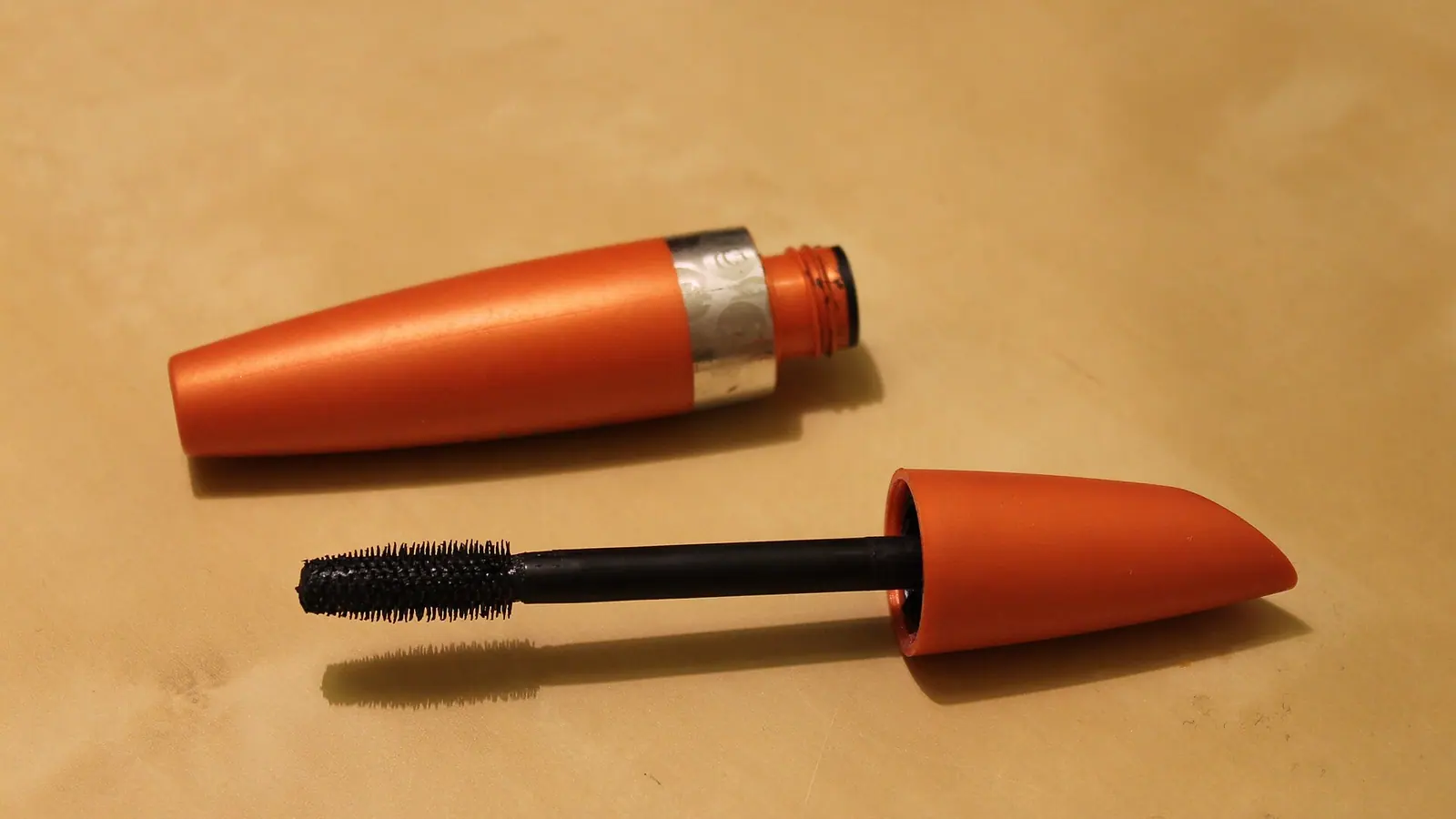

What is hypoallergenic mascara? Hypoallergenic mascara is mascara that its maker says is less likely to cause reactions, usually because it leaves out fragrance and some preservatives. The word has no legal definition, and the FDA doesn’t check the claim. If your eyelids itch or flake, the ingredient list, a fresh tube and how you apply it matter more than the label.
What the label does and doesn’t promise
The FDA says there are no federal standards or definitions for “hypoallergenic,” and manufacturers don’t have to submit proof to the agency. The same page notes that no cosmetic can be guaranteed never to cause an allergic reaction. Our guide to what hypoallergenic means covers the legal background.
Why eyelids react
Eyelid skin is among the thinnest on the body, so it reacts to things the rest of your face tolerates. Patch-test studies show how often the cause is an allergy:
- In 105 patients with eyelid dermatitis, Amin and Belsito found allergic contact dermatitis in 43.8% and seborrheic dermatitis in 36.2%.
- In North American Contact Dermatitis Group data on 50,795 patients, Warshaw and colleagues found allergy was the main diagnosis in 43.4% of eyelid-only cases.
- A meta-analysis of 65 studies by Borzova and colleagues found atopic dermatitis behind 27.5% of eyelid dermatitis.
The eyelid often reacts to products used elsewhere, such as shampoo, nail polish or hand cream transferred by touch, so mascara isn’t always the culprit.
Ingredients behind eyelid allergy
| Allergen | Eyelid patients with relevant reactions | Where it comes from |
|---|---|---|
| Nickel | 18.6% | Eyelash curlers, tweezers, hands |
| Fragrance mix I | 16.5% | Scented cosmetics, including some mascaras |
| Methylisothiazolinone | 16.5% | Preservative in rinse-off and leave-on products |
| Gold | 14.7% | Jewelry, transferred by touch |
| Balsam of Peru | 11.9% | Fragrance-related |
Figures are from the Warshaw study. That study also found that reactions to carmine, a red pigment, and shellac, a resin used in some mascaras, were more likely in people with eyelid involvement. In an earlier NACDG period, Rietschel and colleagues found gold the most frequent eyelid allergen at 12.5%.
So when choosing a mascara for sensitive eyes, look for fragrance-free, avoid methylisothiazolinone (see our methylisothiazolinone guide), and check for shellac and carmine if you’ve reacted before. A dermatologist’s patch test is the only way to know your own triggers.
Old mascara is a risk of its own
Mascara gets a wand dipped back into it every day, which carries bacteria from the lashes into the tube. When Pack and colleagues tested mascara after 3 months of daily use, 36.4% of tubes grew microbes, mostly skin bacteria and fungi. They recommend replacing daily-use mascara after 3 months at most.
The FDA’s eye cosmetic safety page warns that contaminated eye cosmetics can cause eye infections and advises against sharing them, including store testers. Throw mascara out after an eye infection, and don’t add water or saliva to a dried-out tube.
How to wear it with sensitive eyes
- Keep it on the lashes. A review by Wang and Craig found eye cosmetics can migrate into the tear film, and makeup applied at the inner lash line caused more contamination and discomfort.
- Try a new mascara on a few lashes for several days before a full application. Our guide to patch testing skincare explains how.
- Remove it gently every night with a fragrance-free remover, without rubbing.
- Skip it while your eyelids are inflamed. Mascara on broken skin is more likely to sensitize you.
Related guides
For foundation, eyeliner and eyeshadow, read hypoallergenic makeup. If fragrance is your trigger, our guide to fragrance allergy explains how to spot it on labels.
See also our guide to hypoallergenic eyeliner.
More in Skincare

What Does Hypoallergenic Mean on a Label? The Legal Answer
What does hypoallergenic mean? In the US it has no legal definition for cosmetics, detergents or jewelry. What the FDA says and which signals count.
Fragrance Free vs Unscented: Why the Difference Matters
Fragrance free vs unscented: unscented products can hide masking fragrance, and fragrance-free ones may still contain scented plant oils. Read the label.
Fragrance Free Moisturizer for Sensitive Skin: How to Choose
How to choose a fragrance free moisturizer for sensitive or eczema-prone skin: ointments vs creams, barrier-repair ingredients and common irritants.
Hypoallergenic Makeup for Sensitive Eyes: What to Look For
Hypoallergenic makeup for sensitive eyes: how to choose mascara, liner and shadow when your eyelids itch or water, and the hygiene habits that matter most.
Sources & further reading
- U.S. Food and Drug Administration — Misused eye cosmetics can grow dangerous bacteria or fungi and cause eye infections, which in rare cases have caused temporary or permanent blindness.
- U.S. Food and Drug Administration — No federal standard or definition governs the term "hypoallergenic," and manufacturers need not submit proof of the claim to FDA.
- Contact Dermatitis — Amin and Belsito, 2006: of 105 patients with eyelid dermatitis, 43.8% had allergic contact dermatitis and 36.2% seborrhoeic dermatitis. DOI: 10.1111/j.1600-0536.2006.00927.x.
- Journal of the American Academy of Dermatology — Warshaw and colleagues, 2021: among 50,795 patch-tested patients, allergic contact dermatitis was the main diagnosis in 43.4% of those with eyelid-only dermatitis. DOI: 10.1016/j.jaad.2020.07.020.
- Dermatitis — Rietschel and colleagues, 2007: among 268 patients with eyelid-only allergic contact dermatitis, 72% had currently relevant reactions identified by the 65-allergen screening series. DOI: 10.2310/6620.2007.06041.
- Scientific Reports — Borzova and colleagues, 2024: pooling 65 studies with 21,793 patch-tested eyelid dermatitis patients, atopic eyelid dermatitis accounted for 27.5% of cases. DOI: 10.1038/s41598-024-69612-z.
- Optometry - Journal of the American Optometric Association — Pack and colleagues, 2008: after 3 months of daily use, 36.4% of mascara tubes grew microbes, mostly Staphylococcus epidermidis, Streptococcus species or fungi. DOI: 10.1016/j.optm.2008.02.011.
- Clinical Optometry — Wang and Craig, 2018: eye cosmetic products can migrate across the eyelid margin into the tear film, which may worsen tear film instability and dry eye symptoms. DOI: 10.2147/OPTO.S150926.