Hypoallergenic Eyeliner: Ingredients, Hygiene and Safety
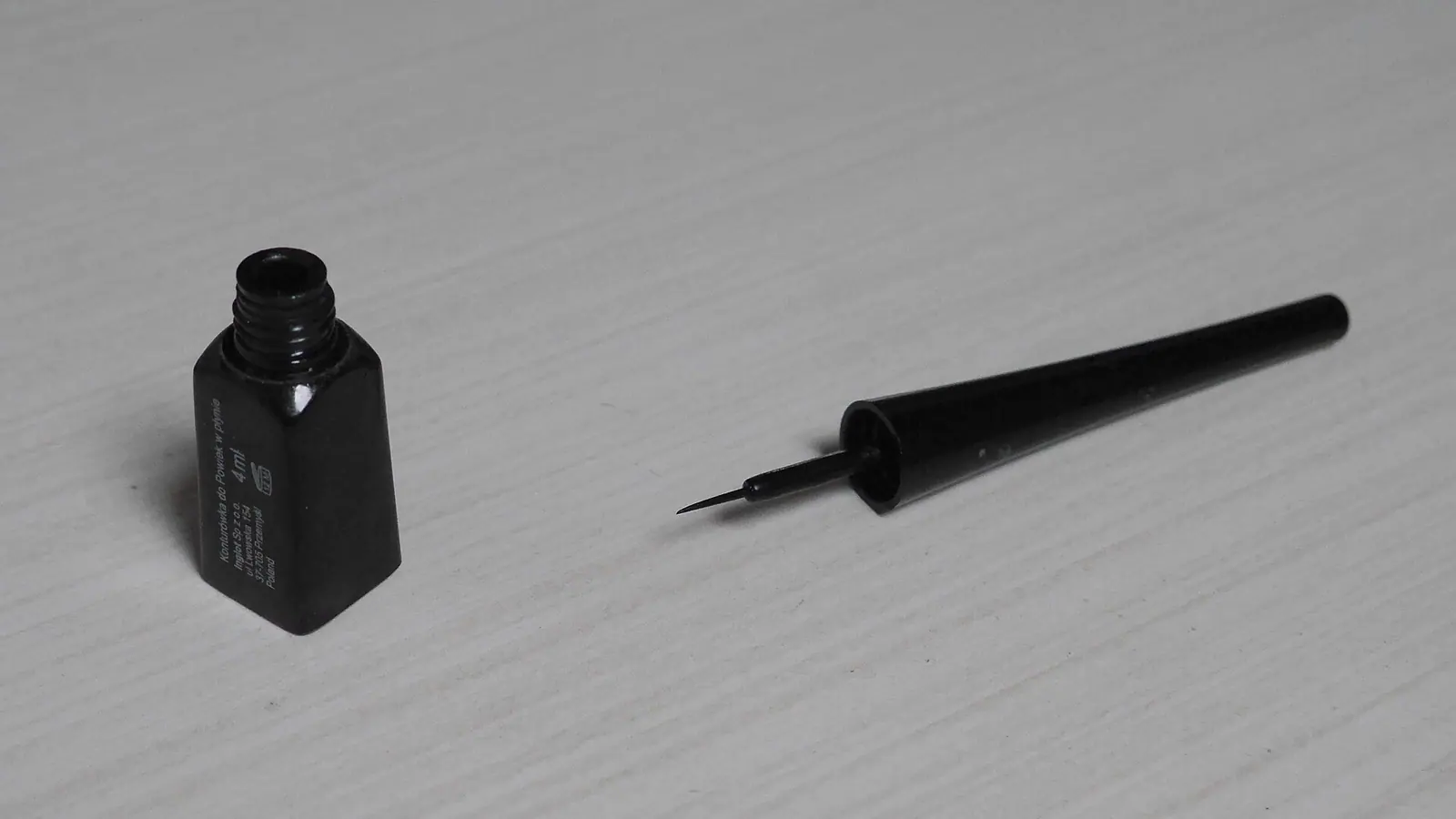

What is hypoallergenic eyeliner? Hypoallergenic eyeliner is eyeliner sold as less likely to cause reactions, but in the US there’s no legal definition behind the word, so the claim is the manufacturer’s own. What matters more is the ingredient list, how you apply it and how old the product is. Eyelid skin is very thin and reacts easily, though not every eyelid rash comes from makeup.
What causes eyelid reactions to eyeliner
In 105 patch-tested patients with eyelid dermatitis, Amin and Belsito found 43.8% had allergic contact dermatitis, caused by fragrances, metals, preservatives, nail polish resin and other allergens. When only the eyelids were affected, seborrheic dermatitis was actually more common. A large review by Borzova and colleagues pooled 65 studies with 21,793 patients and found 27.5% had atopic eyelid dermatitis, so eczema is a frequent cause too. If you react, our guide to contact dermatitis on face covers patch testing.
Where you apply it matters
Eyeliner can move from the lid margin into the tear film. Wang and Craig review studies showing liner applied on the inner lash line (the waterline) caused more tear film contamination and eye discomfort than liner on the outer lid. If your eyes are dry or sensitive, keep liner outside the lashes.
Old eyeliner and bacteria
Eye products pick up bacteria every time they touch skin:
- In used UK cosmetics, Bashir and Lambert found 79% to 90% of products, including eyeliners, were contaminated, sometimes with Staphylococcus aureus or E. coli.
- In 71 used eye products, Aleksandravičienė and colleagues mostly found skin bacteria, some resistant to antibiotics, and advised regular replacement.
The FDA’s eye cosmetic safety page says not to share eye cosmetics, not to use lip liner as eyeliner, and to throw out products used during an eye infection. It also warns that some color additives aren’t approved for use near the eyes, and that kohl or kajal eyeliner is unapproved in the US and has been linked to lead poisoning in children.
Permanent eyeliner
Tattooed eyeliner isn’t a hypoallergenic shortcut. The FDA treats permanent makeup as a tattoo, notes no color additives are approved for injection into skin, and lists infections, allergic reactions and granulomas among the risks. Schwarze and colleagues report a woman who developed a delayed granulomatous reaction after eyeliner tattooing.
How to choose and use eyeliner
- Fragrance-free, with a full ingredient list; avoid kohl and kajal.
- Pencils you can sharpen expose a fresh surface; replace eyeliner regularly.
- Apply outside the lash line if your eyes are sensitive.
- Patch test behind the ear or on the inner arm before first use.
- Pair with gentle mascara. See hypoallergenic mascara and hypoallergenic makeup.
More in Skincare

What Does Hypoallergenic Mean on a Label? The Legal Answer
What does hypoallergenic mean? In the US it has no legal definition for cosmetics, detergents or jewelry. What the FDA says and which signals count.
Fragrance Free vs Unscented: Why the Difference Matters
Fragrance free vs unscented: unscented products can hide masking fragrance, and fragrance-free ones may still contain scented plant oils. Read the label.
Fragrance Free Moisturizer for Sensitive Skin: How to Choose
How to choose a fragrance free moisturizer for sensitive or eczema-prone skin: ointments vs creams, barrier-repair ingredients and common irritants.

Hypoallergenic Makeup for Sensitive Eyes: What to Look For
Hypoallergenic makeup for sensitive eyes: how to choose mascara, liner and shadow when your eyelids itch or water, and the hygiene habits that matter most.
Sources & further reading
- Contact Dermatitis — Amin and Belsito, 2006: of 105 patch-tested patients with eyelid dermatitis, 43.8% had allergic contact dermatitis, but seborrhoeic dermatitis was the top diagnosis (46.3%) when only the eyelids were affected. DOI: 10.1111/j.1600-0536.2006.00927.x.
- Scientific Reports — Borzova and colleagues, 2024: pooling 65 studies with 21,793 patch-tested patients with eyelid dermatitis, 27.5% had atopic eyelid dermatitis, well above the earlier 10% estimate. DOI: 10.1038/s41598-024-69612-z.
- Clinical Optometry — Wang and Craig, 2018: eye cosmetics can migrate across the eyelid margin into the tear film, which may worsen tear film instability and dry eye symptoms. DOI: 10.2147/OPTO.S150926.
- Journal of Applied Microbiology — Bashir and Lambert, 2020: in donated used cosmetics in the UK, including eyeliners and mascaras, 79-90% of products were contaminated with bacteria, and Staphylococcus aureus, E. DOI: 10.1111/jam.14479.
- Microorganisms — Aleksandravičienė and colleagues, 2026: testing 71 used mascaras, eyeliners and eyeshadows found mainly Bacillus species and coagulase-negative staphylococci, with no S. DOI: 10.3390/microorganisms14051011.
- Journal of the American Academy of Dermatology — Schwarze and colleagues, 2000: this case report describes a woman who developed a delayed allergic granulomatous reaction after permanent eyeliner tattooing (blepharopigmentation) with an aluminum-silicate pigment. DOI: 10.1016/s0190-9622(00)90264-0.
- U.S. Food and Drug Administration — FDA warns that some color additives approved for cosmetics in general are not approved for use near the eye, and that kohl (kajal) eyeliner is unapproved in the US, can contain heavy metals and has been linked to lead poisoning in children.
- U.S. Food and Drug Administration — FDA treats permanent makeup as a type of tattoo and notes that no color additives are approved for injection into the skin.