Hypoallergenic Nail Polish: Gel, Acrylates and Formaldehyde
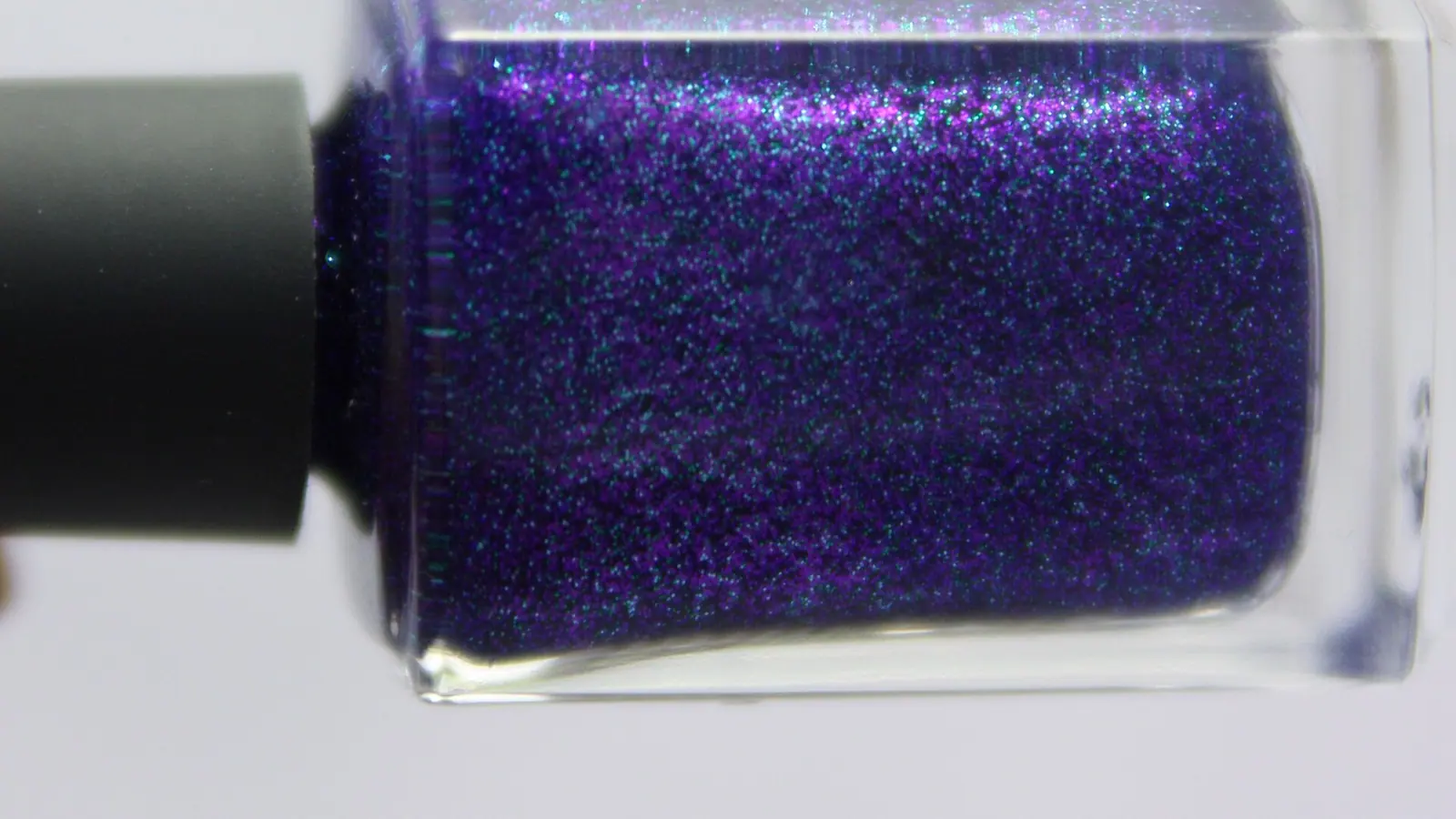

What is hypoallergenic nail polish? It’s polish marketed as less likely to cause allergy, usually by leaving out ingredients such as formaldehyde, tosylamide/formaldehyde resin (TSFR) and certain solvents. The word has no legal definition, though, and today’s main nail allergy problem comes from acrylates in gel and acrylic nails, which some “hypoallergenic” products still contain.
Where nail polish allergy shows up
Often not on the fingers. Polish dries on the nail, but you touch your face all day, so the rash usually appears on the eyelids, face, sides of the neck or lips. In a series of 215 people with eyelid dermatitis, Guin found that 8% were allergic to artificial nails or nail lacquer.
With gel and acrylic nails, reactions can also appear around the nails themselves: redness, swelling, painful or loosened nails, and itchy fingertips.
Gel and acrylic nails: the main problem
Gel polish, “shellac”-type products, dip powders and acrylic nails harden through (meth)acrylates such as 2-hydroxyethyl methacrylate (HEMA). Uncured acrylate that touches the skin, during application at home or at the salon, can sensitize.
The problem is growing. An audit of 26,297 patients in seven European centres by Wilkinson and colleagues found that nail-related HEMA allergy rose from 0.91% in 2016 to 1.98% in 2023, even after EU rules introduced in 2021. In Israel, Hilewitz and colleagues found HEMA allergy in 8.1% of patch-tested patients, most of them young women exposed through nail cosmetics.
The FDA notes that traces of methacrylate monomer remain in artificial nails after they harden.
Regular polish: formaldehyde and TSFR
Classic air-dry polish has its own allergen. The FDA explains that tosylamide/formaldehyde resin (listed as tosylamide/formaldehyde resin, TSFR or toluene sulfonamide/formaldehyde resin) makes polish tough and glossy, and that some people become allergic to it. It advises people allergic to formaldehyde, or who have reacted to nail products, to check labels for formaldehyde, formalin, methylene glycol and this resin. Nail hardeners may contain formaldehyde itself. Our guide to formaldehyde allergy explains related ingredients.
“3-free,” “5-free” and higher-number labels mean the maker left out a set of ingredients, often including formaldehyde and TSFR. The lists aren’t standardized, so check which ingredients each brand means.
Why “hypoallergenic” gel isn’t a guarantee
Gel products are where labels mislead most. Hodzic and colleagues reported allergy to a gel polish sold as “hypoallergenic.” Dendooven and colleagues described lip and eyelid swelling from a vegan “HEMA-free” gel polish that still contained other acrylates and isocyanates. “HEMA-free” doesn’t mean acrylate-free.
Choosing safer nails
- Prefer regular air-dry polish to gel, dip or acrylic systems if you’ve had any reaction.
- Read the ingredient list for tosylamide/formaldehyde resin and formaldehyde if those are your allergens.
- Don’t let gel touch the skin, and don’t do gel nails at home without training; uncured product on skin is how sensitization starts.
- Stop at the first sign of itching or redness around the nails or on the eyelids.
Why acrylate allergy matters beyond nails
Acrylates are also used in some dental materials and in medical adhesives; a review by Goossens and colleagues lists (meth)acrylates among the main allergens in medical tapes and dressings. If a dermatologist confirms acrylate allergy with patch testing, tell your dentist and doctors before procedures. Our guide to contact dermatitis explains patch testing, and our guide to hypoallergenic makeup covers eyelid reactions to cosmetics.
More in Skincare
What Does Hypoallergenic Mean on a Label? The Legal Answer
What does hypoallergenic mean? In the US it has no legal definition for cosmetics, detergents or jewelry. What the FDA says and which signals count.
Fragrance Free vs Unscented: Why the Difference Matters
Fragrance free vs unscented: unscented products can hide masking fragrance, and fragrance-free ones may still contain scented plant oils. Read the label.
Fragrance Free Moisturizer for Sensitive Skin: How to Choose
How to choose a fragrance free moisturizer for sensitive or eczema-prone skin: ointments vs creams, barrier-repair ingredients and common irritants.
Hypoallergenic Makeup for Sensitive Eyes: What to Look For
Hypoallergenic makeup for sensitive eyes: how to choose mascara, liner and shadow when your eyelids itch or water, and the hygiene habits that matter most.
Sources & further reading
- U.S. Food and Drug Administration — Nail care products: how they're regulated, formaldehyde and tosylamide/formaldehyde resin in polishes, and methacrylates in artificial nails.
- Contact Dermatitis — Wilkinson and colleagues, 2025: audit of 26,297 patients in seven European centres showing nail-related HEMA allergy rising from 0.91% in 2016 to 1.98% in 2023 despite 2021 EU rules. DOI: 10.1111/cod.14745.
- Contact Dermatitis — Hilewitz and colleagues, 2024: israeli patch test study finding HEMA allergy in 8.1% of 1,671 patients, mostly young women exposed through nail cosmetics. DOI: 10.1111/cod.14683.
- Journal of Allergy and Clinical Immunology: In Practice — Hodzic and colleagues, 2025: report of allergy to a gel nail polish marketed as hypoallergenic. DOI: 10.1016/j.jaip.2025.04.009.
- Contact Dermatitis — Dendooven and colleagues, 2024: case of lip and eyelid swelling from a vegan 'HEMA-free' gel nail polish that contained acrylates and isocyanates. DOI: 10.1111/cod.14651.
- Contact Dermatitis — Guin, 2004: series of 215 patients with eyelid dermatitis in which 8% were allergic to artificial nails or nail lacquer. DOI: 10.1111/j.0105-1873.2004.00311.x.
- Contact Dermatitis — Goossens and colleagues, 2025: scoping review listing colophonium, (meth)acrylates and isocyanates as the main allergens in medical tapes and wound dressings. DOI: 10.1111/cod.70016.