Baby Shampoo: What to Look For on Sensitive Scalps
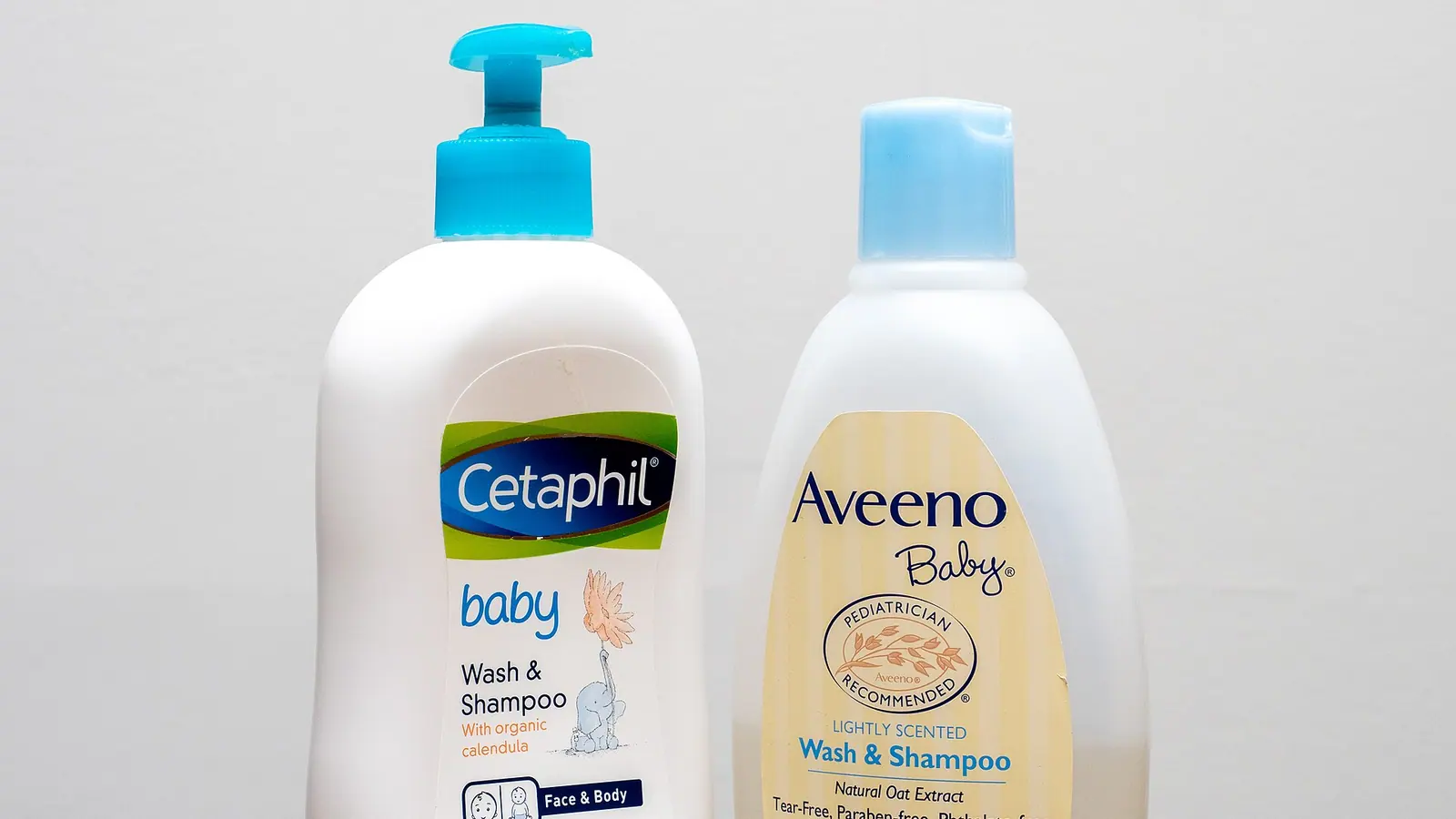

Does a baby need shampoo? Not necessarily. Plain water is enough for a young baby’s hair, and studies comparing water with baby wash products found no meaningful difference. If you’d like to use a baby shampoo, pick a mild liquid cleanser that is fragrance-free, use a small amount and rinse well. The ingredient list tells you far more than words like “gentle” or “hypoallergenic” on the front.
Water or shampoo?
A systematic review of 26 studies of babies up to 6 months old, by Cooke and colleagues, found no evidence of significant differences between the wash products tested and water alone. The review also found no studies at all on hair or scalp care, so there’s no evidence-based rule for how often to shampoo.
European experts led by Blume-Peytavi agreed that either water or a properly designed liquid cleanser can be used without harming how a baby’s skin matures. Their criteria for a good product are worth borrowing: well preserved, close to the skin’s natural pH of about 5.5, and free of harsh surfactants such as sodium lauryl sulfate.
Baby skin keeps maturing through the first years of life, as Telofski and colleagues explain, which is why milder cleansers are preferred over adult products.
Ingredients most linked to reactions
A baby shampoo is a mix of cleansing agents (surfactants), preservatives and often fragrance, and each group includes known allergens. In a 2025 meta-analysis of 11,593 patch-tested children, Isufi and colleagues found these among the leading allergens after metals:
| Ingredient | Children reacting | Where it’s used |
|---|---|---|
| Cocamidopropyl betaine | 5.5% | Foaming agent in shampoos and washes |
| Fragrance mix I | 4.8% | Listed as “fragrance” or “parfum” |
| Methylisothiazolinone | 4.3% | Preservative |
Children with eczema reacted to cocamidopropyl betaine more often. Those figures come from children already referred for patch testing, so they’re higher than in the general population, but they show which names to watch for if your baby has rashes.
What “gentle,” “clean” and “hypoallergenic” mean
Very little, legally. The FDA says there’s no federal standard or definition for “hypoallergenic,” and companies don’t have to prove the claim to the agency. Words like “gentle,” “natural” and “clean” have no definition either.
When Brumley and colleagues analyzed “clean”-labeled children’s washes, shampoos, bubble baths and moisturizers from a large retailer, 82% declared fragrance, 46% contained Compositae (plant extracts from the daisy family) and 45% contained cocamidopropyl betaine. Only 9% were free of all the allergens they looked for.
How to choose a baby shampoo
- Fragrance-free, not “unscented.” Unscented products can contain masking fragrance; see fragrance-free vs unscented.
- No methylisothiazolinone (MI) if your baby has eczema or reacts easily. Our guide to methylisothiazolinone lists the names it appears under.
- Fewer botanical extracts. Chamomile, calendula and other daisy-family plants are a common hidden allergen.
- A liquid cleanser, not bar soap, which tends to be more alkaline.
- Use a small amount and rinse thoroughly, especially in skin folds behind the ears and on the neck.
“Tear-free” describes how much a product stings the eyes. It says nothing about allergens, so check the ingredient list on tear-free products too.
Baby shampoo for cradle cap
Cradle cap is the greasy, yellowish scaling on a baby’s scalp. MedlinePlus explains that it’s seborrheic dermatitis of the scalp, with possible contributors including oil gland activity and a yeast called Malassezia. The NHS says it’s harmless and usually clears on its own within a few months.
The NHS suggests gently brushing the scalp to loosen the flakes and washing the hair with a baby shampoo. It advises against soap, adult shampoos, products with fragrance and peanut oil. Don’t pick at the scales. See your pediatrician if the scalp looks red, swollen, weepy or spreads to the face and body.
Related guides
For the rest of bath time, including wipes and diaper creams, read baby wipes and skincare. If your baby’s skin is dry after bathing, our guide to baby lotion explains when a moisturizer is worth using, and baby eczema cream covers red, itchy patches.
More in Baby
Baby Laundry Detergent: Do You Need a Special One?
Do you need a baby laundry detergent? Babies don't need a special brand, but fragrance-free, dye-free washing helps their skin. Plus pod safety.
Baby Wipes and Skincare for Sensitive Skin: What to Use
Baby wipes, bath cleansers, moisturizers and diaper creams for dry or eczema-prone baby skin: what research says and which ingredients to avoid.
Hypoallergenic Formula: What the Label Terms Mean
Hypoallergenic formula labels decoded: extensively hydrolyzed, amino acid-based, partially hydrolyzed and gentle, and why switching is a doctor's call.
Hypoallergenic Crib Mattress and Bedding: Safe Sleep First
Hypoallergenic crib mattress and bedding: how to reduce dust and allergens in a crib within safe-sleep rules, and what you can wash, cover and change.
Sources & further reading
- Pediatric Dermatology — Blume-Peytavi and colleagues, 2016: water alone or appropriately designed liquid cleansers can be used for bathing without impairing skin maturation. DOI: 10.1111/pde.12819.
- Midwifery — Cooke and colleagues, 2018: across 26 studies of babies aged 0-6 months, there was no evidence of significant differences between tested wash products and water alone. DOI: 10.1016/j.midw.2017.10.001.
- Dermatology Research and Practice — Telofski and colleagues, 2012: infant skin differs from adult skin and keeps maturing through the first years of life. DOI: 10.1155/2012/198789.
- Contact Dermatitis — Isufi and colleagues, 2025: in 11,593 patch-tested children, leading allergens after metals included the shampoo surfactant cocamidopropyl betaine (5.5%), fragrance mix I (4.8%) and the preservative methylisothiazolinone (4.3%). DOI: 10.1111/cod.14753.
- Pediatric Dermatology — Brumley and colleagues, 2024: among "clean"-labelled baby washes, shampoos, bubble baths and moisturizers, 82% declared fragrance, 46% Compositae and 45% cocamidopropyl betaine. DOI: 10.1111/pde.15633.
- NHS — Cradle cap is harmless, common in babies and usually clears by itself within a few months.
- MedlinePlus (U.S. National Library of Medicine) — Cradle cap is the term for seborrheic dermatitis affecting an infant's scalp.
- U.S. Food and Drug Administration — There are no federal standards or definitions for "hypoallergenic"; the term means whatever a company wants it to mean.