Food Sensitivity Test: Do IgG Tests Actually Work?
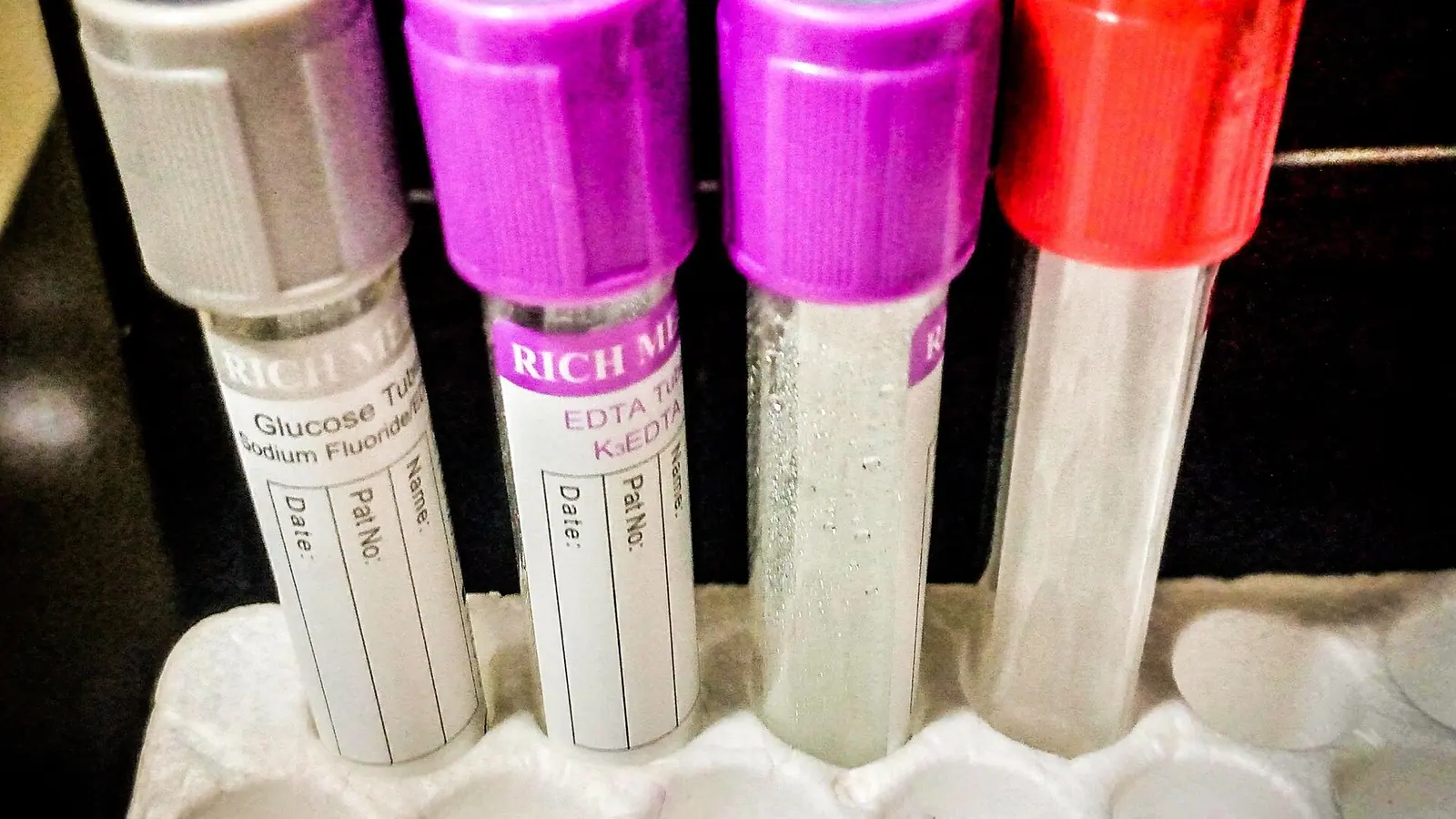

Does a food sensitivity test work? Not the kind most people buy. A typical food sensitivity test measures IgG antibodies to dozens of foods from a finger-prick blood sample. Allergy organizations say these results show which foods you’ve been eating, not which ones make you sick, and they advise against using them. If you have real symptoms after eating, there are better routes: proper food allergy testing, or a doctor-guided elimination and reintroduction.
What an IgG food sensitivity test measures
IgG and IgG4 are antibodies your immune system makes when it meets a food regularly. A task force of the European Academy of Allergy and Clinical Immunology, led by Stapel and colleagues, found no controlled studies showing that IgG4 food tests diagnose anything, and noted many positive results in people without symptoms. Their conclusion: food-specific IgG4 reflects exposure and likely tolerance, and the test shouldn’t be done for food complaints.
A review by Kelso looked at IgG panels alongside other unproven methods such as hair analysis, electrodermal testing and applied kinesiology. For some there were no studies at all; for others, blinded studies showed poor reproducibility and no link to disease.
The study people cite in favor
Supporters often point to Atkinson and colleagues, who randomized 150 adults with IBS to drop foods with raised IgG or an equal number of other foods. After 12 weeks the IgG-based diet reduced symptom scores 10% more than the sham diet. The authors said it “may be effective” and needed more research. That’s one modest IBS trial, not proof that IgG tests diagnose food intolerance.
Why a wrong result can cause harm
The main risk is cutting out foods you don’t need to avoid:
- Nutrition. Alvares and colleagues describe an infant who developed severe protein malnutrition on an overly restrictive elimination diet.
- New allergies. In 298 children assessed for food-triggered eczema, Chang and colleagues found 19% of those with no prior immediate reactions developed them after an elimination diet, and 30% of those reactions were anaphylaxis. Those diets were prescribed by clinicians, not IgG tests, but the lesson about unnecessary avoidance applies.
- Confusion. The NIAID-sponsored guidelines by Boyce and colleagues note that people often confuse food intolerance with food allergy, which inflates beliefs about how common allergy is. Our guide to food allergy vs food intolerance explains the difference.
Tests that do work
Hammond and Lieberman describe the supervised oral food challenge as the gold standard for diagnosing food allergy, with skin prick tests and specific IgE blood tests as accepted alternatives. These look for IgE, the antibody behind allergic reactions, and they’re interpreted alongside your history. Our food allergy test guide walks through each one.
For intolerance, there’s no single blood test. Lactose intolerance has a breath test, celiac disease has blood tests and biopsy, and for other foods the usual approach is a short, guided elimination followed by reintroduction.
What to do instead
- Write down what you ate and what happened, with timing.
- See a doctor or allergist, especially for hives, swelling, vomiting or breathing trouble after food.
- Don’t cut whole food groups based on a kit result, especially for children.
- Ask for a dietitian if you do need an elimination diet.
More in Food allergies

Food Allergies: The 9 Major Allergens, Symptoms and Labels
Food allergies, from the nine major U.S. allergens to symptoms and anaphylaxis, which tests work, how to read labels, and what's new from the FDA.

Tree Nut Allergy: Which Nuts Count, Symptoms and Labels
Tree nut allergy: the 12 nuts the FDA counts, why coconut is now off the list, cross-reactions, symptoms, testing and reading U.S. food labels.

Anaphylaxis Symptoms: Signs, What to Do and Epinephrine
Anaphylaxis symptoms to act on: the warning signs doctors use, why epinephrine comes first, the nasal spray option, and what to do after a reaction.

Shellfish Allergy: Symptoms, Labels and the Iodine Myth
Shellfish allergy: crustaceans vs mollusks, symptoms, why it's so common in adults, what U.S. labels must show, and why iodine isn't the cause.
Sources & further reading
- Allergy — Stapel and colleagues, 2008: the European Academy of Allergy and Clinical Immunology task force found no controlled studies on the diagnostic value of IgG4 food testing and noted many positive results in people without symptoms. DOI: 10.1111/j.1398-9995.2008.01705.x.
- Journal of Allergy and Clinical Immunology — Boyce and colleagues (NIAID-sponsored expert panel), 2010: US guidelines developed by NIAID with 34 professional organizations, federal agencies and patient groups give 43 clinical recommendations on diagnosing and managing food allergy. DOI: 10.1016/j.jaci.2010.10.007.
- The Journal of Allergy and Clinical Immunology: In Practice — Kelso, 2018: this review covers serum IgG/IgG4 food panels, white-cell (flow cytometry) tests, provocation-neutralization, hair analysis, electrodermal testing and applied kinesiology. DOI: 10.1016/j.jaip.2017.08.021.
- Immunology and Allergy Clinics of North America — Hammond and Lieberman, 2018: the oral food challenge remains the gold standard for diagnosing IgE-mediated food allergy, with skin prick and serum IgE tests as accepted alternatives. DOI: 10.1016/j.iac.2017.09.011.
- The Journal of Allergy and Clinical Immunology: In Practice — Chang and colleagues, 2016: in a chart review of 298 children seen for suspected food-triggered eczema, 19% of those with food-triggered eczema and no prior immediate reactions developed new immediate reactions after starting an elimination diet, and 30% of those reactions were anaphylaxis. DOI: 10.1016/j.jaip.2015.08.006.
- Pediatrics — Alvares and colleagues, 2013: case report of an infant placed on an overly restrictive elimination diet on the advice of health care providers, who developed kwashiorkor (severe protein malnutrition) and acquired acrodermatitis enteropathica. DOI: 10.1542/peds.2012-2362.
- Gut — Atkinson and colleagues, 2004: the counterpoint study often cited for IgG testing: 150 adults with IBS were randomized to drop foods with raised IgG or an equal number of other foods. DOI: 10.1136/gut.2003.037697.