Oral Allergy Syndrome: Itchy Mouth From Raw Fruit and Pollen
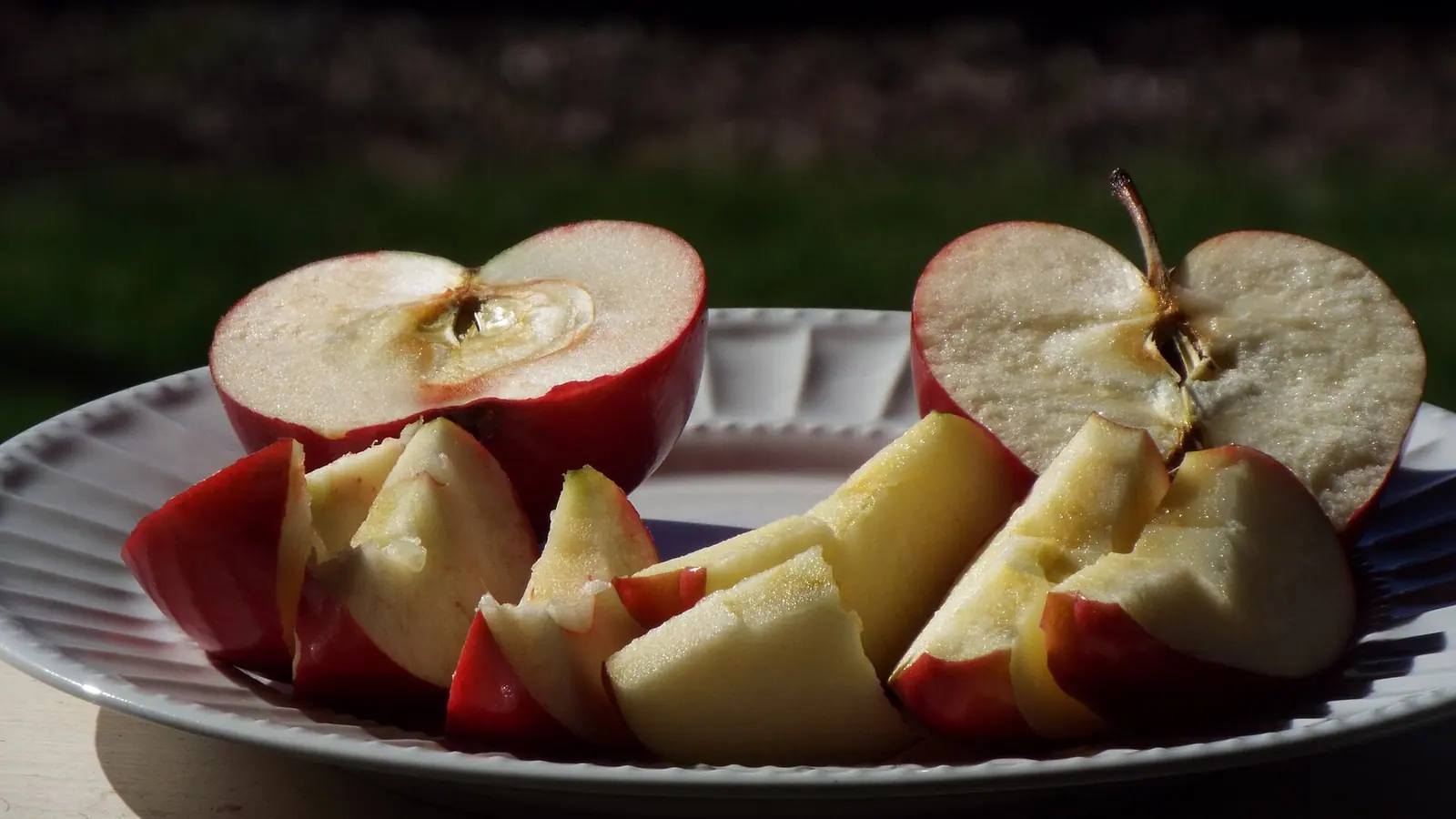

What is oral allergy syndrome? Oral allergy syndrome, also called pollen-food allergy syndrome, is an itchy, tingly or slightly swollen mouth and throat that starts within minutes of eating certain raw fruits, vegetables or nuts. It affects people with pollen allergy: proteins in those foods resemble pollen proteins, so the immune system reacts to them. Cooking usually destroys those proteins, so the same food cooked is often fine.
Symptoms
A review by Marzec and colleagues describes the usual pattern as rapid-onset itching, burning, swelling and redness of the mouth and throat, usually limited to that area.
Occasionally the reaction spreads beyond the mouth, with hives, vomiting, a runny nose or wheezing, and in rare cases anaphylaxis. A review by Kato and colleagues notes these more serious reactions are possible.
Get help: Throat tightness, trouble swallowing or breathing, hives spreading over the body, or vomiting after a food are not “just” oral allergy syndrome. Use epinephrine if prescribed and call 911. See our guide to anaphylaxis symptoms.
Why pollen allergy causes it
If you’re allergic to pollen, your immune system already has IgE antibodies to certain pollen proteins. Some plant foods contain proteins with a very similar shape. Kato and colleagues explain that when you eat them, mast cells in the lining of the mouth recognize the look-alike proteins and release histamine on the spot.
A review by Poncet and colleagues describes the protein families involved, mainly PR-10 proteins related to the main birch pollen allergen, profilins, and lipid transfer proteins. Which family you react to affects how severe reactions can be.
Which foods cause it
It depends on which pollen you’re allergic to and where you live. For people allergic to birch pollen, Marzec and colleagues list apple as the most frequently reported trigger, followed by:
- Fruits: peach, pear, cherry, plum, strawberry
- Vegetables: carrot, celery, potato
- Nuts and legumes: hazelnut, peanut, soy
Grass, weed and other tree pollens are linked to other foods. Many people react to only a few foods on any list, so there’s no need to cut out everything in a group.
Why cooked food is usually fine
Most of the proteins behind oral allergy syndrome are fragile. Marzec and colleagues note that they are broken down by heat and digestion, so cooked, baked, canned or processed versions of a trigger food are typically tolerated. Apple pie or applesauce may be fine when a raw apple isn’t.
The exceptions are celery and soy, where some of these proteins can occasionally cause reactions beyond the mouth, and foods with heat-stable proteins, such as lipid transfer proteins, which cooking doesn’t make safe.
Diagnosis
Diagnosis rests on a clear history: mouth symptoms right after specific raw foods in someone with pollen allergy. Skin or blood tests, including tests to individual food proteins, help separate oral allergy syndrome from a true primary food allergy, which carries a higher risk of severe reactions. The NIAID guidelines list oral allergy syndrome among food-induced allergic disorders that an allergist evaluates. Our guide to food allergy tests explains how those tests are read.
Treatment
For most people, management is simple: avoid the raw foods that bother you and enjoy them cooked. Marzec and colleagues note that antihistamines help mild symptoms and that epinephrine is prescribed for people at risk of anaphylaxis.
Treatments are being studied. In an uncontrolled 12-month trial by Mueller and colleagues, 36 people with birch-related apple allergy ate gradually more allergenic apples and developed lasting tolerance to apple and to some related foods. It’s promising but not yet a standard treatment; don’t try it on your own.
Pollen allergy itself is often the bigger day-to-day problem. Our guide to pollen allergy covers symptoms, timing and treatment. For other food allergies, see our main guide to food allergies.
More in Food allergies
Food Allergies: The 9 Major Allergens, Symptoms and Labels
Food allergies, from the nine major U.S. allergens to symptoms and anaphylaxis, which tests work, how to read labels, and what's new from the FDA.
Tree Nut Allergy: Which Nuts Count, Symptoms and Labels
Tree nut allergy: the 12 nuts the FDA counts, why coconut is now off the list, cross-reactions, symptoms, testing and reading U.S. food labels.

Anaphylaxis Symptoms: Signs, What to Do and Epinephrine
Anaphylaxis symptoms to act on: the warning signs doctors use, why epinephrine comes first, the nasal spray option, and what to do after a reaction.
Shellfish Allergy: Symptoms, Labels and the Iodine Myth
Shellfish allergy: crustaceans vs mollusks, symptoms, why it's so common in adults, what U.S. labels must show, and why iodine isn't the cause.
Sources & further reading
- Allergology International — Kato and colleagues, 2025: review of pollen-food allergy syndrome: how pollen-sensitized mast cells in the mouth react to similar food proteins, its symptoms, prevalence and treatment. DOI: 10.1016/j.alit.2024.08.007.
- Nutrients — Marzec and colleagues, 2026: review of pollen-food allergy syndrome in children: common trigger foods, heat-labile allergens, prevalence and management. DOI: 10.3390/nu18142246.
- Expert Review of Clinical Immunology — Poncet and colleagues, 2020: review of the allergen families behind pollen-food allergy syndrome, including PR-10 proteins, profilins and lipid transfer proteins. DOI: 10.1080/1744666x.2020.1774366.
- Journal of Allergy and Clinical Immunology: In Practice — Mueller and colleagues, 2025: uncontrolled 12-month trial in 36 patients in which gradually increasing fresh apple intake led to lasting tolerance of apple. DOI: 10.1016/j.jaip.2025.06.030.
- Journal of Allergy and Clinical Immunology — Boyce and colleagues, 2010: NIAID expert panel guidelines for diagnosing and managing food allergy, which list oral allergy syndrome among food-induced allergic disorders. DOI: 10.1016/j.jaci.2010.10.008.