Pollen Allergy: Seasons, Symptoms and What Actually Helps
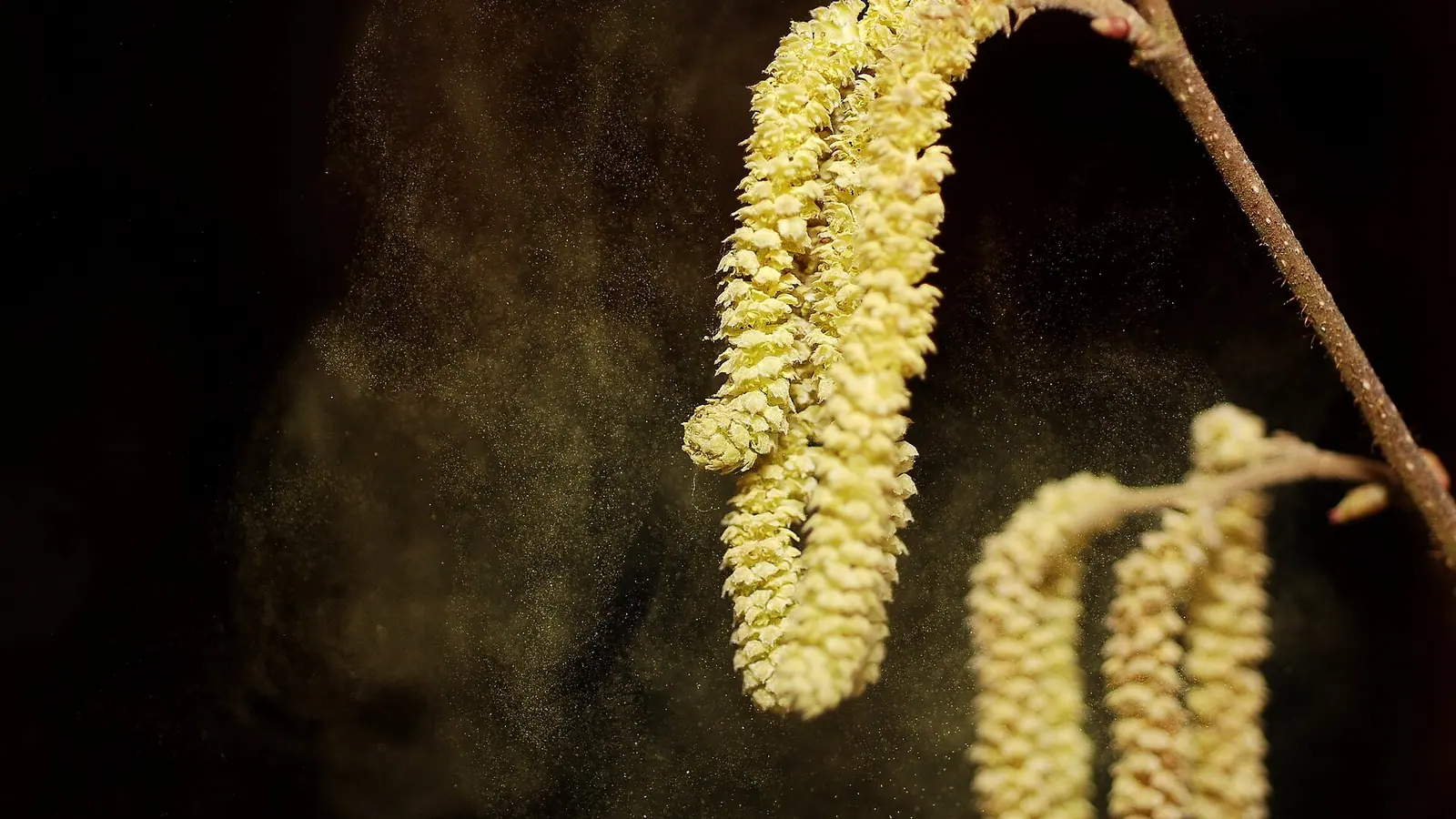

What is a pollen allergy? A pollen allergy, often called hay fever or seasonal allergic rhinitis, is an immune reaction to wind-carried pollen from trees, grasses and weeds. It causes sneezing, a stuffy or runny nose and itchy, watery eyes, and in people with asthma it can trigger attacks. Symptoms follow the pollen seasons of the plants you react to.
Pollen allergy symptoms
The CDC lists sneezing, congestion and a runny nose, plus allergic conjunctivitis with red, watery or itchy eyes. Pollen can also bring on asthma attacks when it’s one of your triggers. Cough is common too, as the Rhinitis 2020 practice parameter points out.
Some people with pollen allergy get an itchy mouth after eating certain raw fruits and vegetables. That’s oral allergy syndrome, caused by food proteins that resemble pollen.
U.S. pollen seasons
The NIEHS describes the usual sequence:
| Pollen | When | Notes |
|---|---|---|
| Trees | As early as January in the South, as late as May or June in the North | Pollen can travel miles from the source |
| Grasses | Summer | Levels change with temperature, time of day and rain |
| Ragweed and other weeds | August to November, peaking around mid-September in many areas | The CDC notes ragweed produces a billion grains per season |
Knowing which pollen you react to tells you which months to prepare for. An allergist can confirm it with skin or blood testing.
Seasons are getting longer
Pollen seasons have changed noticeably. Using 60 North American pollen stations from 1990 to 2018, Anderegg and colleagues found seasons starting earlier and lasting about 20 days longer, with pollen concentrations up about 21%, closely tied to warming. The CDC says these shifts increase exposure and the risk of allergy and asthma symptoms.
Cutting your exposure
The CDC’s practical steps:
- Check pollen forecasts and limit outdoor time when levels are high.
- Keep windows closed during your pollen season, at home and in the car.
- Shower and change clothes after being outside, to get pollen off your skin and hair.
- Don’t touch your eyes outdoors, and wash your hands before touching them indoors.
- Use high-efficiency HVAC filters, if your system can take them.
The NIEHS adds that wearing a mask while mowing, or having someone else mow, helps with grass pollen. A HEPA air purifier in the bedroom can lower indoor particles.
Treatment
The Rhinitis 2020 practice parameter from U.S. allergy organizations recommends:
- Intranasal corticosteroid sprays as the preferred single treatment for persistent allergic rhinitis
- Adding an intranasal antihistamine spray when one spray isn’t enough
- Montelukast only if other treatments don’t work or aren’t tolerated
- Decongestant nasal sprays for short-term use only, to avoid rebound congestion
- No depot steroid injections, because of their risks
Treating the cause: allergy shots and tablets
Allergen immunotherapy gradually trains the immune system to tolerate pollen. It comes as allergy shots or as tablets that dissolve under the tongue. The FDA has approved tablets for specific pollens, including Grastek for grass pollen and Ragwitek for short ragweed, each for allergic rhinitis confirmed by testing. Immunotherapy takes months to years and is prescribed by an allergist.
Pollen is one of several outdoor and indoor allergens. If symptoms continue year-round, look at mold allergy, dust mites and pet dander too.
See also our guides to ragweed allergy and seasonal allergy symptoms.
More in Home
Air Purifier for Allergies: HEPA, CADR and What to Avoid
How to choose an air purifier for allergies to dander, pollen and dust: what true HEPA means, sizing with CADR, avoiding ozone and what it can't do.
Best Vacuum for Allergies: Sealed HEPA Systems Explained
What makes the best vacuum for allergies: sealed HEPA systems, bagged vs bagless for dust mite and pet allergies, and how to vacuum without dust.
Hypoallergenic Cleaning Products: What the Labels Mean
How to choose hypoallergenic cleaning products when fragrance or harsh chemicals bother your skin: EPA Safer Choice, gloves and mixes to avoid.
Hypoallergenic Dish Soap: Protecting Hands From Dishwashing
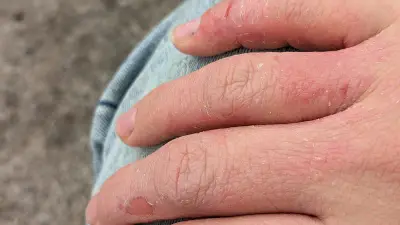
Hypoallergenic dish soap: why dishwashing irritates hands, the allergens in dish liquids, undeclared preservatives, gloves, and gentler choices.
Sources & further reading
- Centers for Disease Control and Prevention — Pollen and your health: hay fever and eye symptoms, asthma risk, prevention steps and climate effects on pollen seasons.
- National Institute of Environmental Health Sciences (NIH) — Pollen: tree, grass and ragweed seasons in the U.S. and ways to reduce exposure.
- Proceedings of the National Academy of Sciences — Anderegg and colleagues, 2021: data from 60 North American pollen stations showing seasons about 20 days longer and pollen about 21% higher from 1990 to 2018, linked to warming. DOI: 10.1073/pnas.2013284118.
- Journal of Allergy and Clinical Immunology — Dykewicz and colleagues, 2020: rhinitis 2020 practice parameter: intranasal corticosteroids as preferred monotherapy, combination sprays, and allergen immunotherapy. DOI: 10.1016/j.jaci.2020.07.007.
- U.S. Food and Drug Administration — Grastek: sublingual timothy grass pollen tablet for grass pollen-induced allergic rhinitis.
- U.S. Food and Drug Administration — Ragwitek: sublingual short ragweed pollen tablet for ragweed-induced allergic rhinitis.