Mold Allergy: Symptoms, Indoor Mold and How to Reduce It
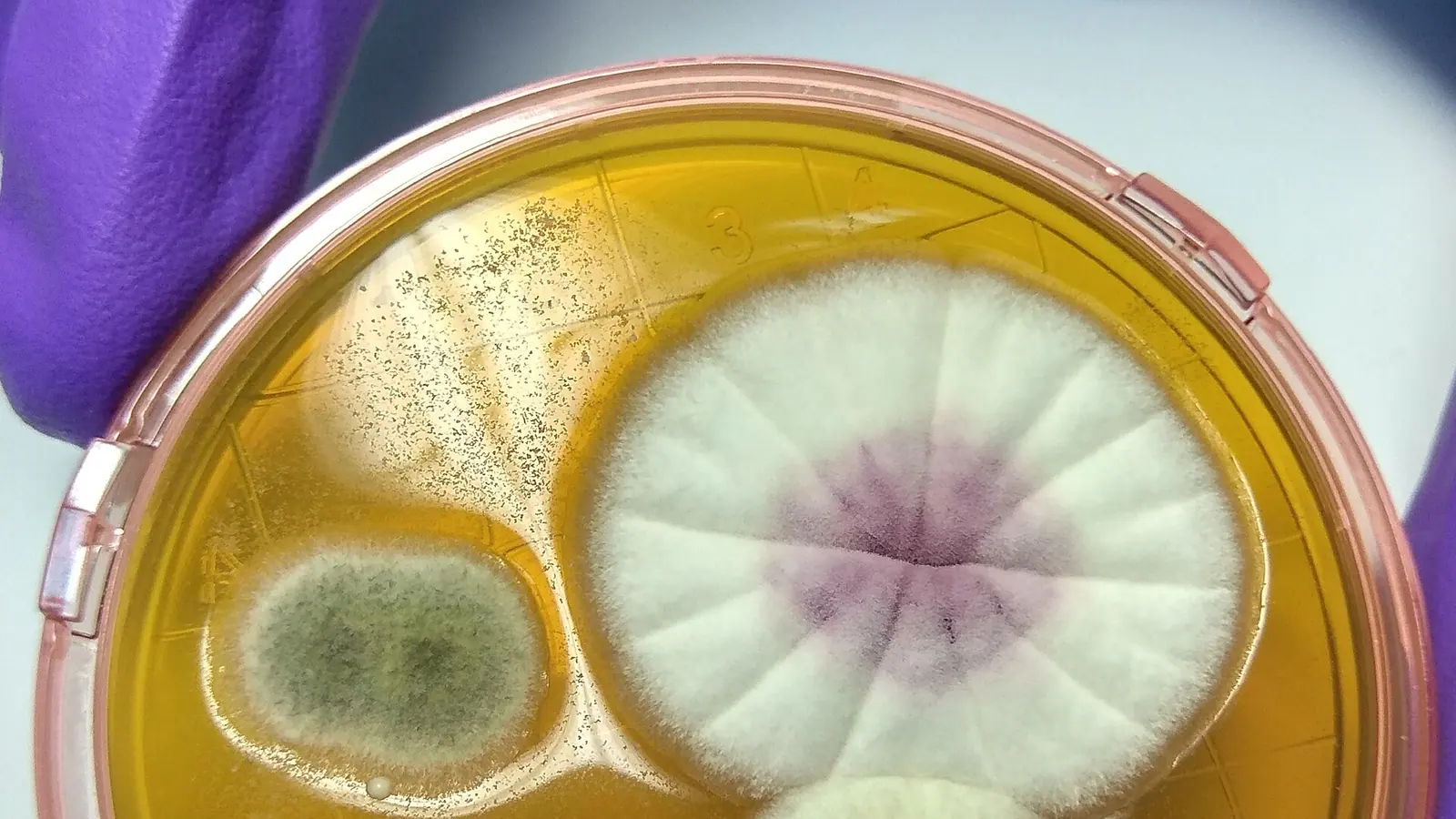

What is a mold allergy? A mold allergy is an immune reaction to mold spores and fragments in the air, causing sneezing, a runny or stuffy nose, itchy or red eyes, and sometimes a skin rash. In people with asthma, it can trigger wheezing and attacks. Molds grow outdoors and in damp spots indoors, so symptoms can be seasonal, year-round, or worse in certain rooms.
Mold allergy symptoms
The EPA describes allergic responses to mold as hay fever-type symptoms: sneezing, runny nose, red eyes and skin rash. The CDC adds stuffy nose, sore throat, coughing and wheezing, and notes that people with asthma or a mold allergy can have severe reactions.
Clues that mold is the culprit:
- Symptoms worse in a basement, bathroom or a particular building
- Worse on warm, humid days
- A musty smell or visible growth at home
- Symptoms that don’t follow a typical spring tree or summer grass pollen season
Which molds cause allergy
Thousands of mold species exist, but only some matter for allergy. A review by Abel-Fernández and colleagues identifies Alternaria and Cladosporium as the molds most often linked to allergic respiratory disease, with Alternaria the most common sensitizer. Alternaria is mainly outdoors, with spores peaking in warm summers, but it also grows in damp, poorly ventilated homes.
Indoors, mold grows wherever moisture lingers: around leaks, under sinks, in bathrooms without fans, on window frames with condensation, in damp basements and on wet carpet.
Why damp homes matter
Mold and dampness go together, and both are linked to breathing problems. Meta-analyses by Fisk and colleagues, based on studies reviewed by the Institute of Medicine, found that dampness and mold in homes were associated with about 30% to 50% increases in a range of respiratory and asthma-related problems.
You may see claims that household mold causes “toxic mold syndrome” through mycotoxins. A review by Rudert and Portnoy notes that this link hasn’t been proven. Allergy, asthma and irritation are the well-documented effects, and they’re reason enough to fix the problem.
Controlling mold at home
The EPA’s core message is that moisture control is mold control. Its main steps:
- Keep humidity low. The EPA recommends below 60%, ideally 30% to 50%; the CDC says no higher than 50%. A $10 to $50 humidity meter tells you where you stand. Use air conditioning or a dehumidifier in humid weather.
- Dry leaks and spills within 24 to 48 hours. In most cases, mold won’t grow if wet materials dry that fast.
- Fix the source, whether a roof leak, plumbing drip, poor drainage or clogged gutter.
- Vent moisture outside with bathroom and kitchen exhaust fans and a dryer vented outdoors.
- Watch for condensation on windows, walls and pipes, and dry it promptly.
Cleaning up mold safely
For small areas, under about 10 square feet (roughly 3 by 3 feet), the EPA says you can usually clean it yourself: scrub hard surfaces with detergent and water, dry them completely, and replace porous materials such as ceiling tiles or carpet that stay moldy. Wear gloves, goggles and an N-95 respirator. Never mix chlorine bleach with cleaners that contain ammonia, because toxic fumes can form.
Larger areas, or mold after a lot of water damage, call for a professional. Our guide to hypoallergenic cleaning products covers gentler products for routine cleaning, and an air purifier with a true HEPA filter can lower airborne particles once the source is fixed.
Testing and treatment
An allergist can confirm mold allergy with skin or blood tests, though fungal test extracts are less standardized than those for pollen or dust mites. Treatment, as a review by Yang and colleagues summarizes, rests on three parts: reducing exposure, medicines such as nasal steroid sprays and antihistamines, and in some cases allergen immunotherapy, which is promising for Alternaria and Cladosporium but supported by less evidence than for other allergens.
More in Home
Air Purifier for Allergies: HEPA, CADR and What to Avoid
How to choose an air purifier for allergies to dander, pollen and dust: what true HEPA means, sizing with CADR, avoiding ozone and what it can't do.
Best Vacuum for Allergies: Sealed HEPA Systems Explained
What makes the best vacuum for allergies: sealed HEPA systems, bagged vs bagless for dust mite and pet allergies, and how to vacuum without dust.
Hypoallergenic Cleaning Products: What the Labels Mean
How to choose hypoallergenic cleaning products when fragrance or harsh chemicals bother your skin: EPA Safer Choice, gloves and mixes to avoid.
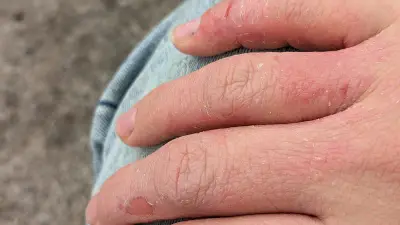
Hypoallergenic Dish Soap: Protecting Hands From Dishwashing
Hypoallergenic dish soap: why dishwashing irritates hands, the allergens in dish liquids, undeclared preservatives, gloves, and gentler choices.
Sources & further reading
- U.S. Environmental Protection Agency — A brief guide to mold, moisture and your home: allergic symptoms, humidity targets, drying within 24 to 48 hours and when cleanup needs a professional.
- Centers for Disease Control and Prevention — About mold and health: symptoms in sensitive people, higher risk with asthma, and keeping humidity no higher than 50%.
- Indoor Air — Fisk and colleagues, 2007: meta-analyses linking dampness and mold in homes to about 30% to 50% increases in respiratory and asthma-related health problems. DOI: 10.1111/j.1600-0668.2007.00475.x.
- Journal of Fungi — Abel-Fernández and colleagues, 2023: review identifying Alternaria and Cladosporium as the molds most often associated with allergic respiratory disease, outdoors and in damp homes. DOI: 10.3390/jof9050582.
- Clinical Reviews in Allergy & Immunology — Yang and colleagues, 2026: review of fungal allergy management: environmental control, medicines, immunotherapy and its current limits. DOI: 10.1007/s12016-026-09158-2.
- Expert Review of Clinical Immunology — Rudert and Portnoy, 2017: review of mold allergy, testing and environmental control, noting that 'toxic mold syndrome' from mycotoxins has not been proven. DOI: 10.1080/1744666x.2017.1324298.