Ragweed Allergy: Symptoms, Season and Treatment
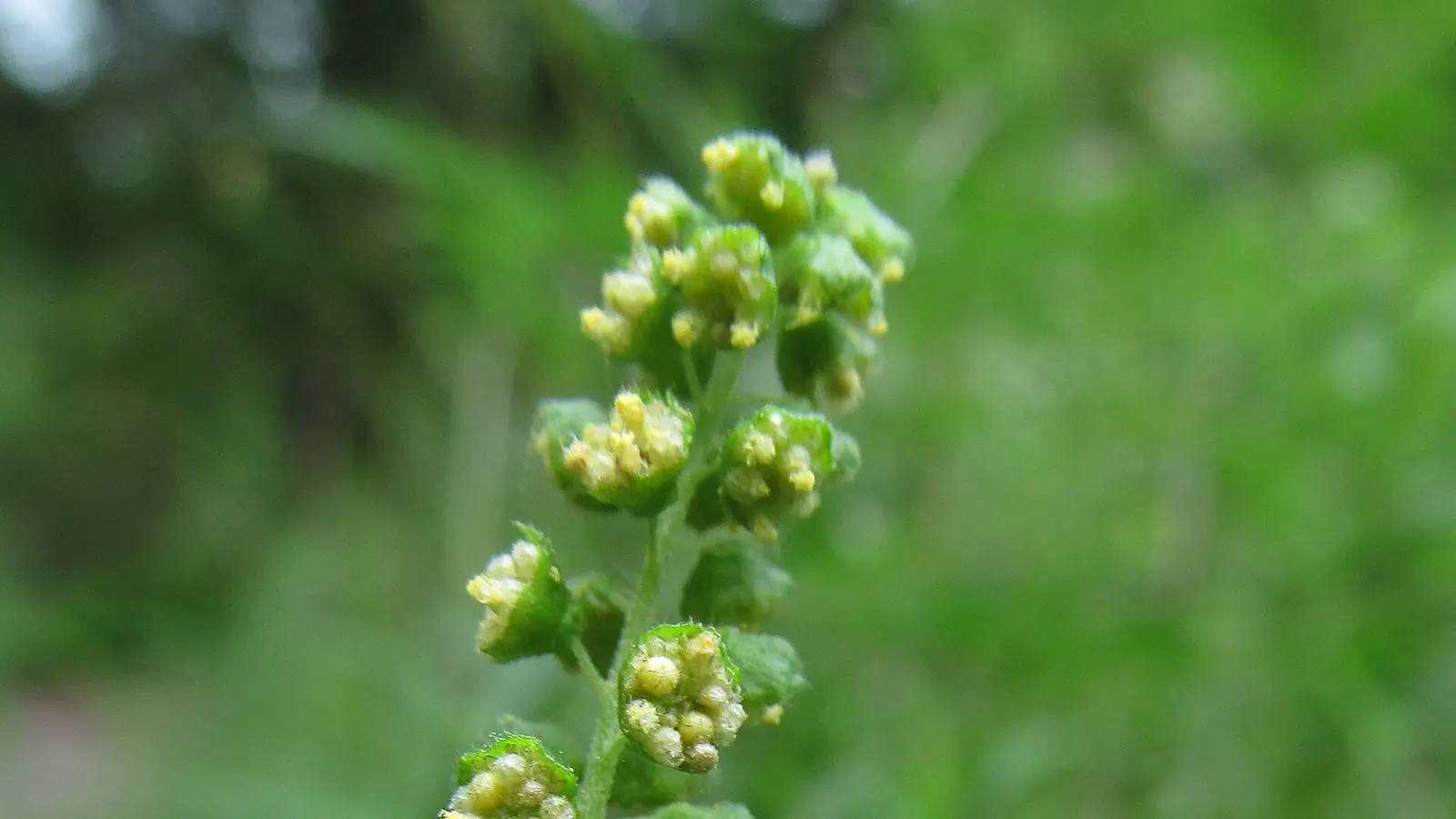

What is ragweed allergy? Ragweed allergy is hay fever triggered by pollen from ragweed plants, mainly common ragweed (Ambrosia artemisiifolia). It causes sneezing, a runny or blocked nose and itchy eyes from late summer until the first frost, and it can worsen asthma. It’s one of the most common allergies in the US, and the season is getting longer. Antihistamines, nasal sprays and allergy immunotherapy all help.
How common is ragweed allergy?
Very. In the US national NHANES survey, Arbes and colleagues found 26.2% of people had a positive skin test to short ragweed, almost as many as for dust mites (27.5%). A review by Cheng and colleagues lists eleven ragweed allergens, with Amb a 1 and Amb a 11 as the main triggers, and notes sensitization is highest in North America and Europe.
When is ragweed season?
Ragweed pollen arrives in late summer and lasts into the fall, ending with the first hard frost. That end point is moving. Ziska and colleagues found the season in central North America had lengthened by 13 to 27 days at northern latitudes since 1995, mostly because the first fall frost comes later. Our guide to seasonal allergy symptoms covers the other pollen seasons.
Ragweed allergy symptoms
- Sneezing, runny or stuffy nose
- Itchy, watery, red eyes
- Itchy throat or ears, cough
- Tiredness and poor sleep
- Asthma flares in people with asthma
Foods that can cross-react with ragweed
Some foods share similar proteins with ragweed pollen and cause oral allergy syndrome, an itchy or tingly mouth right after eating them raw. In 192 allergic patients, Enberg and colleagues found that 28% to 50% of those with ragweed IgE also had IgE to watermelon, cantaloupe, honeydew, zucchini or cucumber. A review by Egger and colleagues lists the ragweed-melon-banana link among pollen-food syndromes and notes reactions can occasionally be severe. See oral allergy syndrome for more.
Treatment for ragweed allergy
Day-to-day relief comes from intranasal steroid sprays and non-drowsy antihistamines. For people who need more, allergy immunotherapy retrains the immune system:
- Under-the-tongue tablet. The FDA lists Ragwitek as a licensed sublingual tablet for ragweed hay fever confirmed by skin or blood testing. Ask your allergist which ages it’s approved for.
- Adult trial. In 784 adults, Creticos and colleagues found the tablet cut combined symptom and medication scores by 24% in peak season, with no systemic allergic reactions.
- Children’s trial. In 1,025 children aged 5 to 17, Nolte and colleagues found a 38.3% improvement in peak season.
Reducing ragweed pollen at home
- Keep windows closed on dry, windy days in late summer.
- Run a HEPA filter in the bedroom; see our air purifier for allergies guide.
- Shower and change clothes after time outdoors.
- Check local pollen counts and plan outdoor activity for after rain.
More in Home
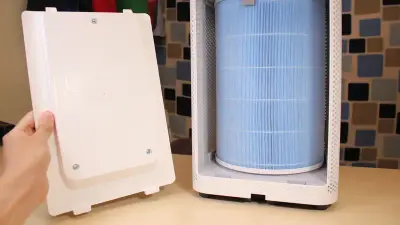
Air Purifier for Allergies: HEPA, CADR and What to Avoid
How to choose an air purifier for allergies to dander, pollen and dust: what true HEPA means, sizing with CADR, avoiding ozone and what it can't do.

Best Vacuum for Allergies: Sealed HEPA Systems Explained
What makes the best vacuum for allergies: sealed HEPA systems, bagged vs bagless for dust mite and pet allergies, and how to vacuum without dust.

Hypoallergenic Cleaning Products: What the Labels Mean
How to choose hypoallergenic cleaning products when fragrance or harsh chemicals bother your skin: EPA Safer Choice, gloves and mixes to avoid.
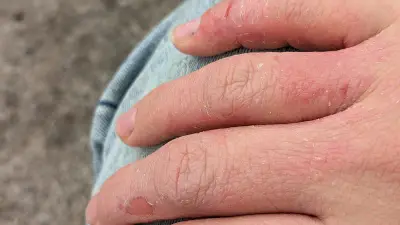
Hypoallergenic Dish Soap: Protecting Hands From Dishwashing
Hypoallergenic dish soap: why dishwashing irritates hands, the allergens in dish liquids, undeclared preservatives, gloves, and gentler choices.
Sources & further reading
- Journal of Asthma and Allergy — Cheng and colleagues, 2025: eleven allergens have been identified in common ragweed, with Amb a 1 and Amb a 11 recognized as the primary triggers. DOI: 10.2147/JAA.S506897.
- Journal of Allergy and Clinical Immunology — Arbes and colleagues, 2005: in the US NHANES III survey (1988-1994), 26.2% of people tested had a positive skin test to short ragweed, nearly as common as dust mite (27.5%) and perennial rye grass (26.9%). DOI: 10.1016/j.jaci.2005.05.017.
- Proceedings of the National Academy of Sciences — Ziska and colleagues, 2011: the ragweed pollen season in central North America has lengthened with latitude, by as much as 13-27 days at latitudes above about 44°N since 1995. DOI: 10.1073/pnas.1014107108.
- Journal of Allergy and Clinical Immunology — Enberg and colleagues, 1987: of 192 allergic patients, 63% had ragweed IgE, and 28%-50% of these also had IgE to any single gourd-family food (watermelon, cantaloupe, honeydew, zucchini, cucumber). DOI: 10.1016/0091-6749(87)90234-x.
- Allergy — Egger and colleagues, 2006: this review lists the ragweed-melon-banana association among pollen-food syndromes in which weed-pollen allergy cross-reacts with plant foods. DOI: 10.1111/j.1398-9995.2006.00994.x.
- Journal of Allergy and Clinical Immunology — Creticos and colleagues, 2013: in 784 adults with ragweed hay fever treated for about 52 weeks, the 12 Amb a 1-unit sublingual tablet reduced combined symptom and medication scores by 24% versus placebo during peak season and 27% over the whole season. DOI: 10.1016/j.jaci.2013.03.019.
- The Journal of Allergy and Clinical Immunology: In Practice — Nolte and colleagues, 2020: in 1,025 children aged 5-17 with ragweed hay fever, the daily 12 Amb a 1-unit tablet improved combined symptom and medication scores by 38.3% versus placebo during peak season and 32.4% over the whole season. DOI: 10.1016/j.jaip.2020.03.041.
- U.S. Food and Drug Administration — RAGWITEK (Short Ragweed Pollen Allergen Extract, Ambrosia artemisiifolia; ALK-Abello; STN 125478) is an FDA-licensed allergen extract sublingual tablet indicated as immunotherapy for short ragweed pollen-induced allergic rhinitis, with or without conjunctivitis, confirmed by a positive skin test or IgE blood test for short ragweed pollen.