Seasonal Allergy Symptoms: Signs, Seasons and Relief
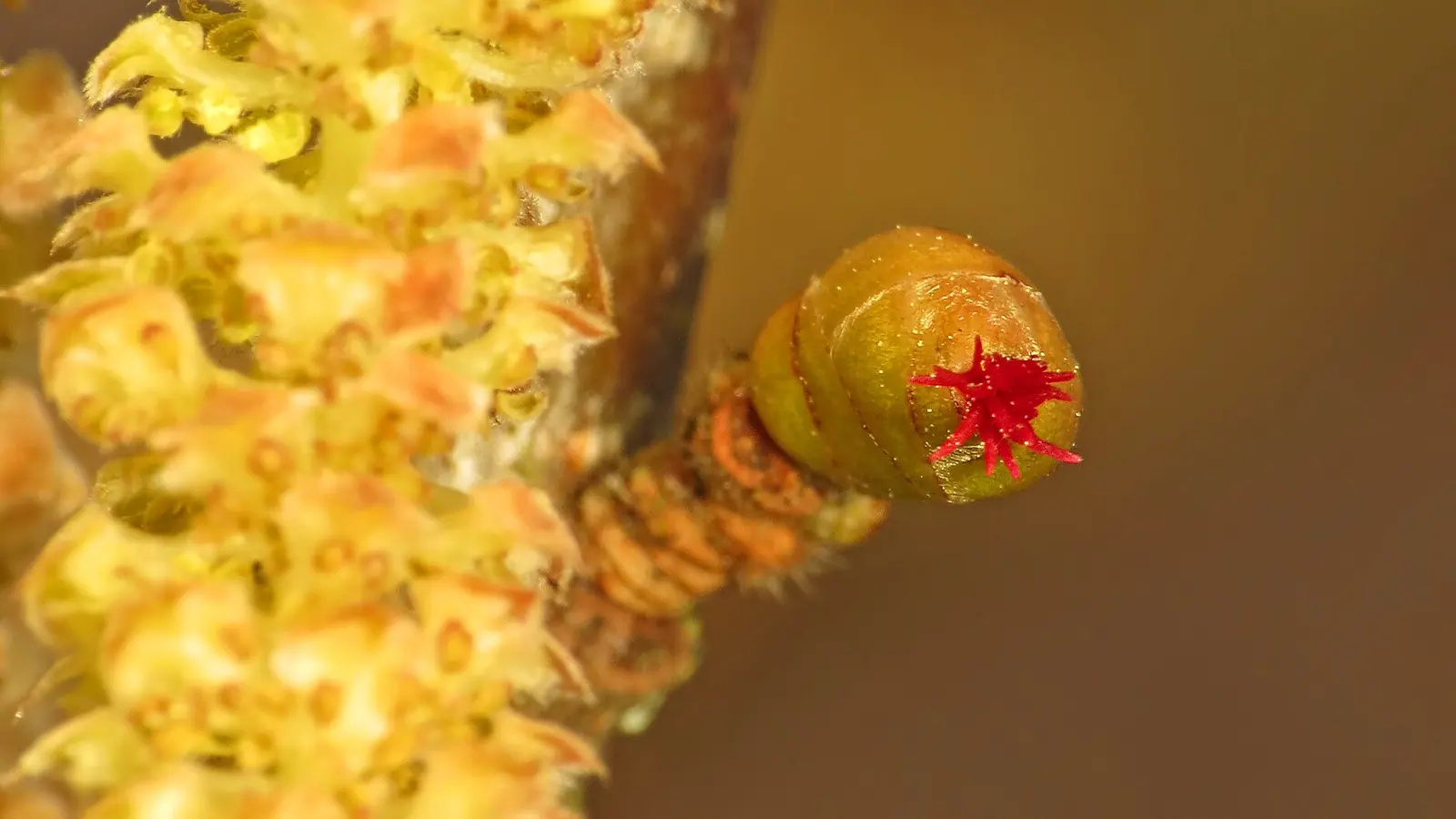

What are seasonal allergy symptoms? Seasonal allergy symptoms are the signs of hay fever, an allergic reaction to pollen: sneezing, an itchy nose, mouth, eyes or throat, a runny nose and watery eyes, followed by congestion, cough and tiredness. They come back at the same time each year because they follow pollen seasons: trees in spring, grasses in early summer and weeds like ragweed in late summer and fall. Those seasons are getting longer, and effective treatment is widely available.
Common seasonal allergy symptoms
MedlinePlus lists the early signs as an itchy nose, mouth, eyes or throat, a runny nose, sneezing and watery eyes. Later come a stuffy nose, cough, clogged ears, dark circles under the eyes, fatigue and headache. The CDC says hay fever affects up to 60 million people in the US each year, and up to 70% of them also get red, watery, itchy eyes.
The US guideline by Seidman and colleagues says doctors can diagnose allergic rhinitis from history and exam plus one or more of congestion, runny nose, itchy nose or sneezing. A review by Bousquet and colleagues notes it often comes with asthma and conjunctivitis, and that skin or blood allergy tests are added when symptoms stay uncontrolled.
In a US survey of 1,001 people with seasonal allergies, Meltzer and colleagues found symptoms were worst in spring and that 75% to 80% rated them moderate to severe before treatment.
Which pollen causes symptoms each season
| Season | Main triggers |
|---|---|
| Late winter and spring | Tree pollen: hazel, alder, birch, oak, maple |
| Late spring and summer | Grass pollen |
| Late summer and fall | Weed pollen, especially ragweed allergy |
Indoor triggers like dust mites, pets and mold cause year-round symptoms instead. Our guides to pollen allergy and mold allergy cover them in more depth.
Why allergy seasons are getting longer
Using 60 North American pollen stations, Anderegg and colleagues found pollen seasons grew about 20 days longer between 1990 and 2018, with concentrations up about 21%. Human-caused climate change explained roughly half of the longer seasons. Across 17 sites on three continents, Ziska and colleagues found most had higher pollen loads and longer seasons, linked to more frost-free days.
Treatment for seasonal allergy symptoms
- Intranasal steroid sprays are the strongest single treatment when symptoms affect daily life, according to Seidman and colleagues.
- Second-generation antihistamines such as cetirizine, loratadine or fexofenadine help with sneezing and itching.
- Combinations. The ARIA guideline by Brożek and colleagues compared antihistamines, steroid sprays and leukotriene blockers alone and together.
- Immunotherapy (shots or tablets) for people whose symptoms aren’t controlled.
How to cut pollen exposure
- Start medication before your season, not after symptoms peak.
- Keep windows closed on dry, windy days and use a HEPA air purifier for allergies indoors.
- Shower and wash your hair before bed during pollen season.
- See an allergist if over-the-counter treatment isn’t enough.
More in Home
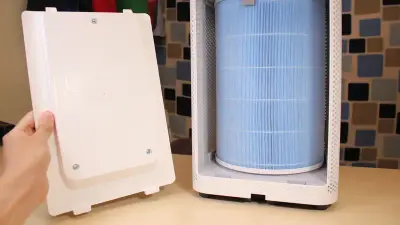
Air Purifier for Allergies: HEPA, CADR and What to Avoid
How to choose an air purifier for allergies to dander, pollen and dust: what true HEPA means, sizing with CADR, avoiding ozone and what it can't do.

Best Vacuum for Allergies: Sealed HEPA Systems Explained
What makes the best vacuum for allergies: sealed HEPA systems, bagged vs bagless for dust mite and pet allergies, and how to vacuum without dust.

Hypoallergenic Cleaning Products: What the Labels Mean
How to choose hypoallergenic cleaning products when fragrance or harsh chemicals bother your skin: EPA Safer Choice, gloves and mixes to avoid.
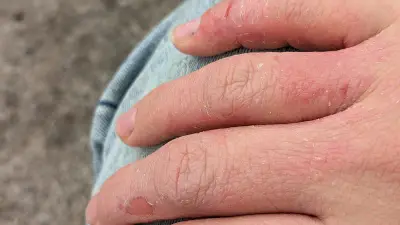
Hypoallergenic Dish Soap: Protecting Hands From Dishwashing
Hypoallergenic dish soap: why dishwashing irritates hands, the allergens in dish liquids, undeclared preservatives, gloves, and gentler choices.
Sources & further reading
- Otolaryngology–Head and Neck Surgery — Seidman and colleagues, 2015: this US guideline estimates allergic rhinitis affects nearly 1 in every 6 Americans and costs $2 to $5 billion a year in direct health spending. DOI: 10.1177/0194599814561600.
- Journal of Allergy and Clinical Immunology — Brożek and colleagues, 2017: the international ARIA guideline states that allergic rhinitis affects 10% to 40% of the population and reduces quality of life and school and work performance. DOI: 10.1016/j.jaci.2017.03.050.
- Nature Reviews Disease Primers — Bousquet and colleagues, 2020: this review describes allergic rhinitis as an IgE-mediated reaction to inhaled allergens that often occurs alongside asthma and conjunctivitis. DOI: 10.1038/s41572-020-00227-0.
- Proceedings of the National Academy of Sciences — Anderegg and colleagues, 2021: using pollen counts from 60 North American stations from 1990 to 2018, pollen seasons became about 20 days longer and pollen concentrations rose about 21%. DOI: 10.1073/pnas.2013284118.
- The Lancet Planetary Health — Ziska and colleagues, 2019: across 17 long-term pollen monitoring sites on three continents, 12 (71%) showed significant increases in pollen load and 11 (65%) showed longer pollen seasons, growing on average 0.9 days per year. DOI: 10.1016/S2542-5196(19)30015-4.
- The Journal of Allergy and Clinical Immunology: In Practice — Meltzer and colleagues, 2017: in an online survey of 1001 US adults and teens with seasonal allergies, symptoms were worst in spring. DOI: 10.1016/j.jaip.2016.10.010.
- Centers for Disease Control and Prevention — CDC says climate change may raise pollen concentrations and extend pollen seasons.
- U.S. National Library of Medicine (MedlinePlus) — MedlinePlus lists early hay fever symptoms as itchy nose, mouth, eyes or throat, runny nose, sneezing and watery eyes, with later stuffy nose, cough, clogged ears, dark circles or puffiness under the eyes, fatigue and headache.