Hypoallergenic Rings: Best Metals for Sensitive Fingers
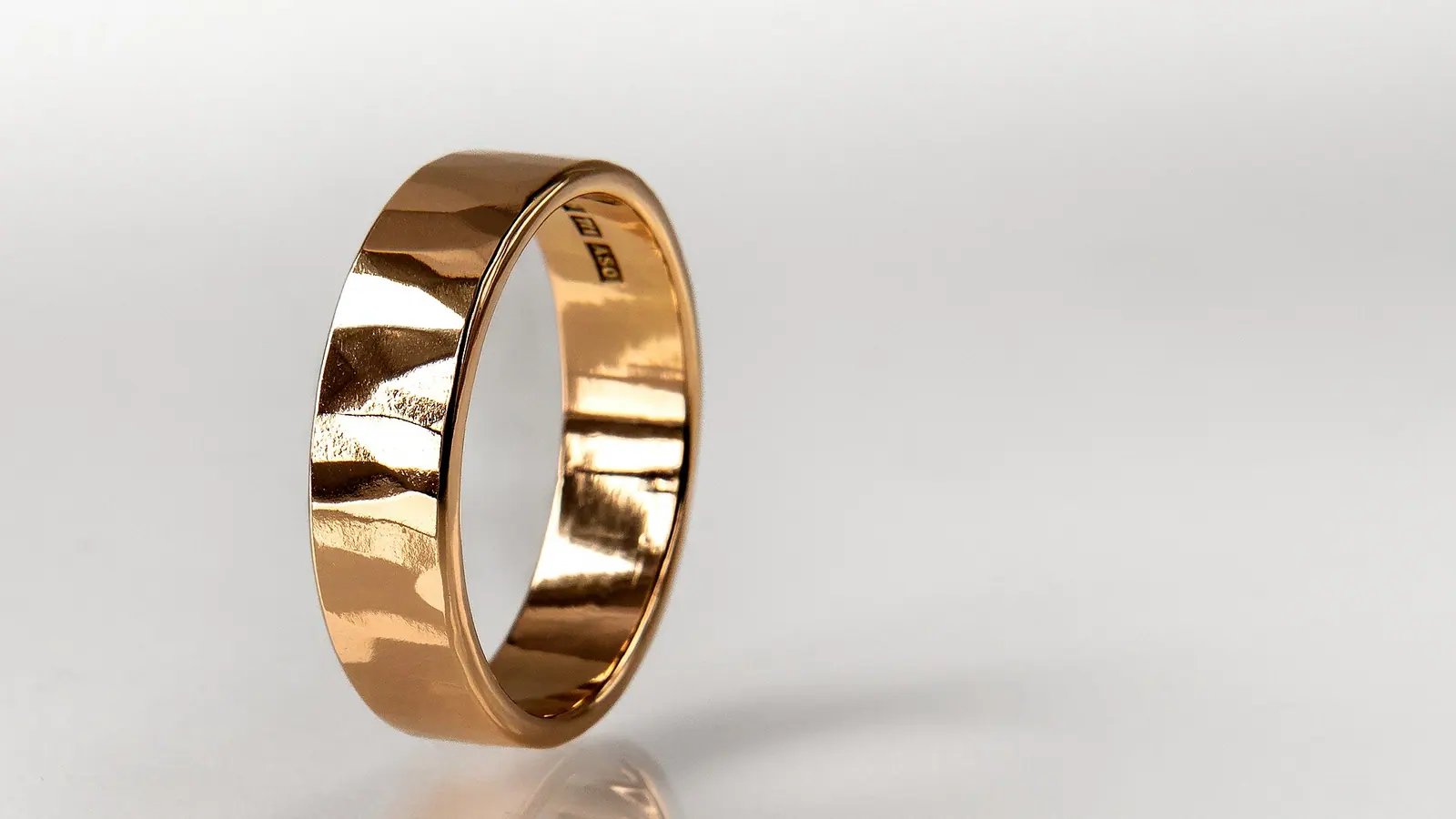

What makes a ring hypoallergenic? Hypoallergenic rings are made from metals that release little or no nickel onto skin, such as platinum, titanium, solid yellow gold of 14 karats or more, or good-quality 316L stainless steel, without nickel-containing plating underneath. The label itself has no legal meaning, so the metal matters more than the word.
Allergy or irritation?
A red, itchy band of skin under a ring has two common causes.
Irritation is especially likely when a ring you’ve worn for years suddenly causes trouble. Soap, hand sanitizer, lotion and water get trapped under the band and keep the skin wet. MedlinePlus lists soaps and detergents among the main irritants. Taking the ring off for handwashing and drying the skin often clears it.
Allergy usually means nickel. MedlinePlus notes that jewelry causes rashes under the item, and a review by Moon and colleagues confirms nickel as the most common contact allergen worldwide. In North American patch test data for 2023 to 2024, Reeder and colleagues found nickel allergy in 26.4% of tested patients, and the hands were the most common site of dermatitis. An allergic rash appears a day or two after wearing the ring and can spread beyond the band.
The safest ring metals
| Metal | Nickel risk | Notes |
|---|---|---|
| Platinum | Very low | Usually a high-purity alloy; expensive |
| Titanium | Very low | Light and strong; confirm it’s solid titanium |
| Yellow or rose gold, 14k and up | Low | Higher karat means less alloy metal |
| White gold | Variable | Some alloys contain nickel; often rhodium-plated |
| 316L or 304 stainless steel | Low | Contains nickel but releases very little |
| Sterling silver | Low to moderate | Usually fine; watch plating and solder |
| Plated “fashion” rings | High | Base metal often contains nickel |
The stainless steel rating comes from patch tests by Haudrechy and colleagues, where low-sulfur grades such as 304 and 316L caused no reactions in nickel-allergic patients while nickel-plated metal did. See is stainless steel hypoallergenic and, for gold, is 14k gold hypoallergenic.
White gold and plating
White gold gets its color from alloy metals, and some of those alloys contain nickel. Many white gold rings are also rhodium-plated for brightness. Plating wears fastest on the palm side of a ring, where it rubs against everything you hold, so a ring can be comfortable for months and then start causing a rash. If you’re nickel-allergic, ask the jeweler whether the white gold is nickel-free (for example palladium white gold).
Cheap rings are the highest risk. In a study of jewelry bought in the U.S., Hamann and colleagues found nickel release from 79 of 96 items tested with the EU sweat method.
What about gold allergy?
Gold allergy exists, but it’s confusing. A meta-analysis by Jensen and colleagues found positive patch tests to gold in 14.1% of tested dermatitis patients, yet a direct link to dermatitis from everyday gold is rare. A positive gold test doesn’t automatically mean your gold ring is the problem; a dermatologist weighs it against where and when your rash appears.
Rules on nickel in rings
The European Union’s REACH regulation names finger rings among the items that may not release more than 0.5 µg/cm²/week of nickel where they touch the skin. The U.S. has no federal equivalent, so “nickel-free” claims depend on the seller.
Fixes for a ring you love
- Take it off for handwashing, cleaning, sanitizer and lotion, and dry your hands before putting it back.
- Replate white gold: a jeweler can renew worn rhodium plating, though it will wear again over time.
- Screen with a nickel spot test, keeping in mind a negative result doesn’t rule out nickel release completely.
- See a dermatologist for patch testing if the rash keeps coming back; our guide to contact dermatitis explains what to expect.
For other jewelry, see hypoallergenic earrings and hypoallergenic necklaces.
More in Jewelry
Hypoallergenic Earrings: Metals That Avoid Nickel
Hypoallergenic earrings for sensitive ears: which metals avoid nickel, how to read the label, and what to ask a seller before you buy a pair.
Titanium vs Surgical Steel: Which Suits Sensitive Skin?
Titanium vs surgical steel for nickel allergy: grades, nickel content, ASTM implant specifications, cost, and when each metal makes sense for your skin.
Is Sterling Silver Hypoallergenic? What Nickel Allergy Means
Is sterling silver hypoallergenic? Usually low in nickel, but plating, cheap alloys and tarnish complicate it. When silver suits sensitive skin.
Is 14k Gold Hypoallergenic? Karats, Alloys and Nickel
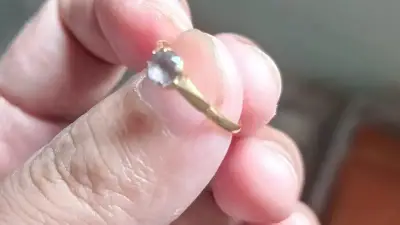
Is 14k gold hypoallergenic? Pure gold rarely causes reactions, but its alloy metals can. How karat, white or rose color and plating change nickel risk.
Sources & further reading
- European Union (EUR-Lex) — Regulation (EC) No 1907/2006 (REACH), Annex XVII entry 27: finger rings and other jewelry may not release more than 0.5 µg/cm²/week of nickel.
- Dermatitis — Reeder and colleagues, 2026: north American Contact Dermatitis Group results for 2023 to 2024, with nickel the top allergen at 26.4% and hands the most common rash site. DOI: 10.1177/17103568261486176.
- Cutis — Moon and colleagues, 2021: review confirming nickel as the most common contact allergen worldwide, most often linked to earrings and other jewelry. DOI: 10.12788/cutis.0156.
- Contact Dermatitis — Jensen and colleagues, 2024: meta-analysis of 14,887 patients finding gold contact allergy in 14.1% on patch testing, but rarely linked to dermatitis from everyday gold. DOI: 10.1111/cod.14707.
- Contact Dermatitis — Hamann and colleagues, 2015: analysis of 956 jewelry components and EU sweat-method testing of 96 US items, 79 of which released nickel. DOI: 10.1111/cod.12434.
- Contact Dermatitis — Haudrechy and colleagues, 1994: patch and sweat-leaching tests showing low-sulfur 304 and 316L steels caused no reactions in nickel-allergic patients, while nickel plating did. DOI: 10.1111/j.1600-0536.1994.tb01997.x.
- MedlinePlus (U.S. National Library of Medicine) — Contact dermatitis: irritant reactions to soaps and detergents, and allergic reactions to nickel in jewelry.