Hypoallergenic Watch Band: Metal, Leather and Silicone
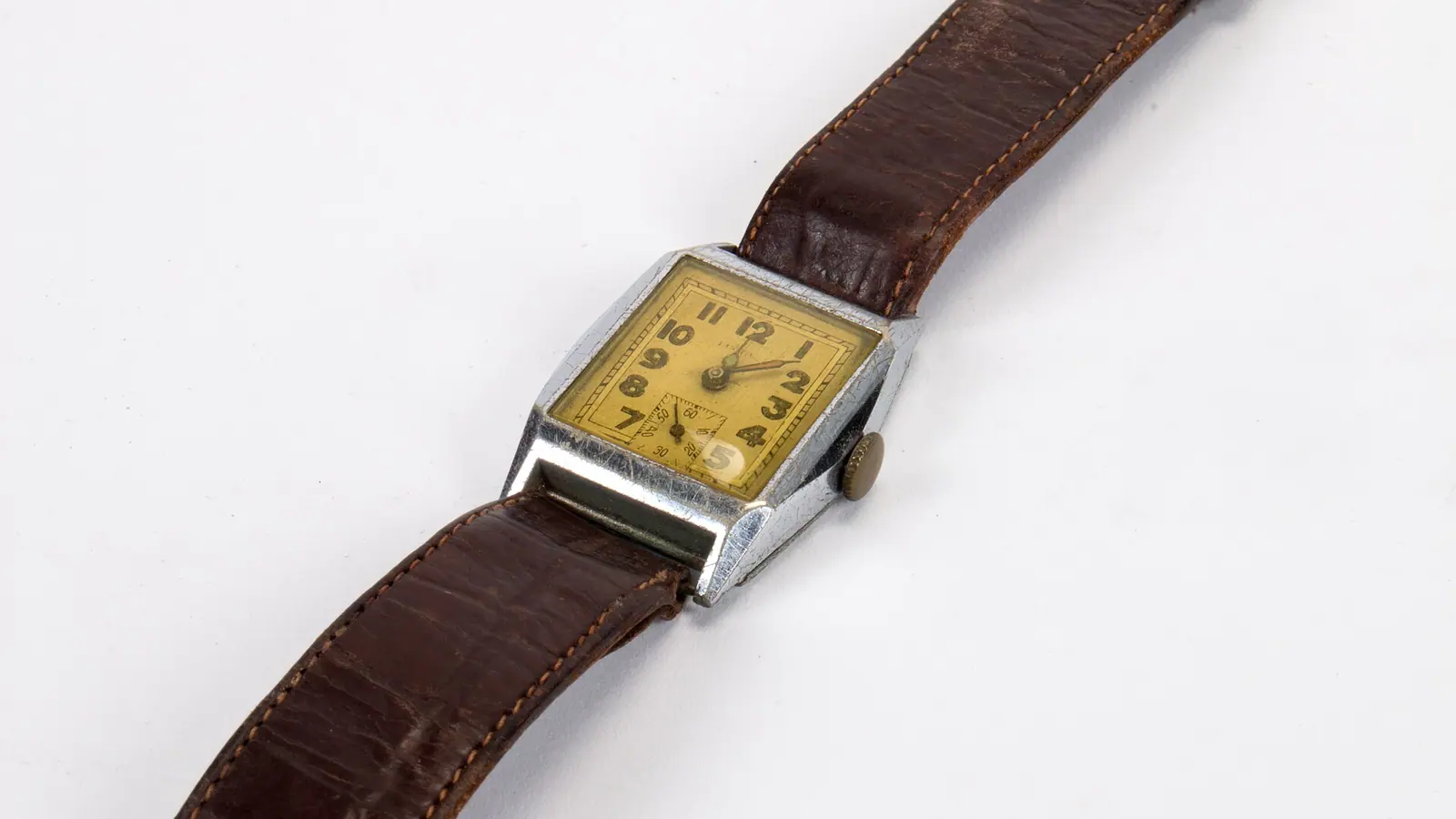

What is a hypoallergenic watch band? It’s a strap made from materials that rarely cause skin allergy, such as titanium, good-quality 316L stainless steel, vegetable-tanned or chrome-free leather, nylon or fabric, with a clasp that doesn’t release nickel. Watch bands sit against sweaty skin for hours, so nickel, chromium in leather and chemicals in rubber or glue are the usual troublemakers.
Why watch bands cause rashes
An itchy, red, sometimes blistered patch under a watch is often allergic contact dermatitis. MedlinePlus lists nickel in watch straps among common causes, alongside jewelry and jeans buttons. It’s a widespread allergy: in North American patch test data for 2023 to 2024, Reeder and colleagues found nickel allergy in 26.4% of tested patients and cobalt, often found with nickel, in 8.8%.
Where the rash sits gives a clue:
- Under the clasp or buckle: the metal hardware
- Under the watch face: the case back
- All around the wrist: the band material itself
- Patchy, after sweating or a workout: irritation from trapped moisture, or allergy made worse by sweat
Irritation from sweat, soap and friction under a tight band is common too, and isn’t an allergy. Loosening the band and keeping it clean often settles it.
Metal bands and clasps
Nickel in plated or low-grade metal is the main risk. Grade matters with stainless steel: Haudrechy and colleagues found that low-sulfur 304 and 316L steels caused no reactions in nickel-allergic patients, while nickel-plated metal caused reactions in almost all of them. Our guide on whether stainless steel is hypoallergenic covers the grades.
In the European Union, REACH names wrist-watch cases, watch straps and tighteners among the items that may not release more than 0.5 µg/cm²/week of nickel. The U.S. has no federal limit, so check the materials yourself.
Leather bands
Much leather is tanned with chromium salts, and chromium is a common contact allergen. In a three-week wear test by Hedberg and colleagues, 4 of 10 chromium-allergic volunteers reacted to a chrome-tanned leather bracelet within 7 to 21 days, even though only one had reacted to the same leather on a standard patch test. Prolonged contact with sweat is what matters.
If you’re allergic to chromium, look for vegetable-tanned or chrome-free leather. The buckle needs checking too.
Smartwatch and fitness tracker bands
Smartwatches are worn day and night and through workouts, which makes reactions more likely. Case reports describe allergy to chromium in a smartwatch band clasp, reported by Hosoki and colleagues, and nickel allergy from a smartwatch that left a pale patch of skin afterward, reported by Zhang and colleagues.
Rubber and silicone-type bands can contain accelerator chemicals or other additives, and glues in accessories can sensitize too: Gatica-Ortega and colleagues reported allergy to an acrylate in the glue of smartwatch screen protectors. If you react to rubber gloves, see our guide to latex and rubber accelerator allergy.
Lower-risk choices
| Material | Notes |
|---|---|
| Titanium | Very low nickel risk; check it isn’t plated steel |
| 316L or 304 stainless steel | Releases very little nickel; avoid plated finishes |
| Nylon, fabric or woven bands | No metal on the skin except the buckle |
| Vegetable-tanned or chrome-free leather | Avoids chromium; check the buckle |
| Plated “fashion” metal bands | Higher risk once plating wears |
Practical tips: keep the band clean and dry, wear it a little looser, take it off for workouts and at night if you can, and screen metal parts with a nickel spot test, keeping in mind a negative result isn’t a guarantee. If rashes keep coming back, a dermatologist can patch test you; see our guide to contact dermatitis. For other jewelry, see hypoallergenic necklaces.
More in Jewelry
Hypoallergenic Earrings: Metals That Avoid Nickel
Hypoallergenic earrings for sensitive ears: which metals avoid nickel, how to read the label, and what to ask a seller before you buy a pair.
Titanium vs Surgical Steel: Which Suits Sensitive Skin?
Titanium vs surgical steel for nickel allergy: grades, nickel content, ASTM implant specifications, cost, and when each metal makes sense for your skin.
Is Sterling Silver Hypoallergenic? What Nickel Allergy Means
Is sterling silver hypoallergenic? Usually low in nickel, but plating, cheap alloys and tarnish complicate it. When silver suits sensitive skin.
Is 14k Gold Hypoallergenic? Karats, Alloys and Nickel
Is 14k gold hypoallergenic? Pure gold rarely causes reactions, but its alloy metals can. How karat, white or rose color and plating change nickel risk.
Sources & further reading
- European Union (EUR-Lex) — Regulation (EC) No 1907/2006 (REACH), Annex XVII entry 27: wrist-watch cases, watch straps and tighteners may not release more than 0.5 µg/cm²/week of nickel.
- MedlinePlus (U.S. National Library of Medicine) — Contact dermatitis: nickel in jewelry, watch straps and other metal items as a common cause.
- Dermatitis — Reeder and colleagues, 2026: north American Contact Dermatitis Group results for 2023 to 2024, with nickel (26.4%) and cobalt (8.8%) among the top allergens. DOI: 10.1177/17103568261486176.
- Contact Dermatitis — Hedberg and colleagues, 2018: wear test in which 4 of 10 chromium-allergic people reacted to a chrome-tanned leather bracelet within 7 to 21 days. DOI: 10.1111/cod.12946.
- Dermatitis — Hosoki and colleagues, 2025: case report of allergic contact dermatitis from chromium in the clasp of a smartwatch band. DOI: 10.1089/derm.2024.0171.
- Journal of Allergy and Clinical Immunology: In Practice — Zhang and colleagues, 2024: case report of nickel allergic contact dermatitis from a smartwatch, followed by loss of skin color. DOI: 10.1016/j.jaip.2023.12.035.
- Dermatitis — Gatica-Ortega and colleagues, 2022: report of allergic contact dermatitis to 4-acryloylmorpholine in the glue of smartwatch screen protectors. DOI: 10.1097/der.0000000000000888.
- Contact Dermatitis — Haudrechy and colleagues, 1994: patch and sweat-leaching tests showing low-sulfur 304 and 316L steels caused no reactions in nickel-allergic patients, while nickel plating did. DOI: 10.1111/j.1600-0536.1994.tb01997.x.