News · Eczema research
Air pollution and eczema in children: what a new JAMA Pediatrics review found
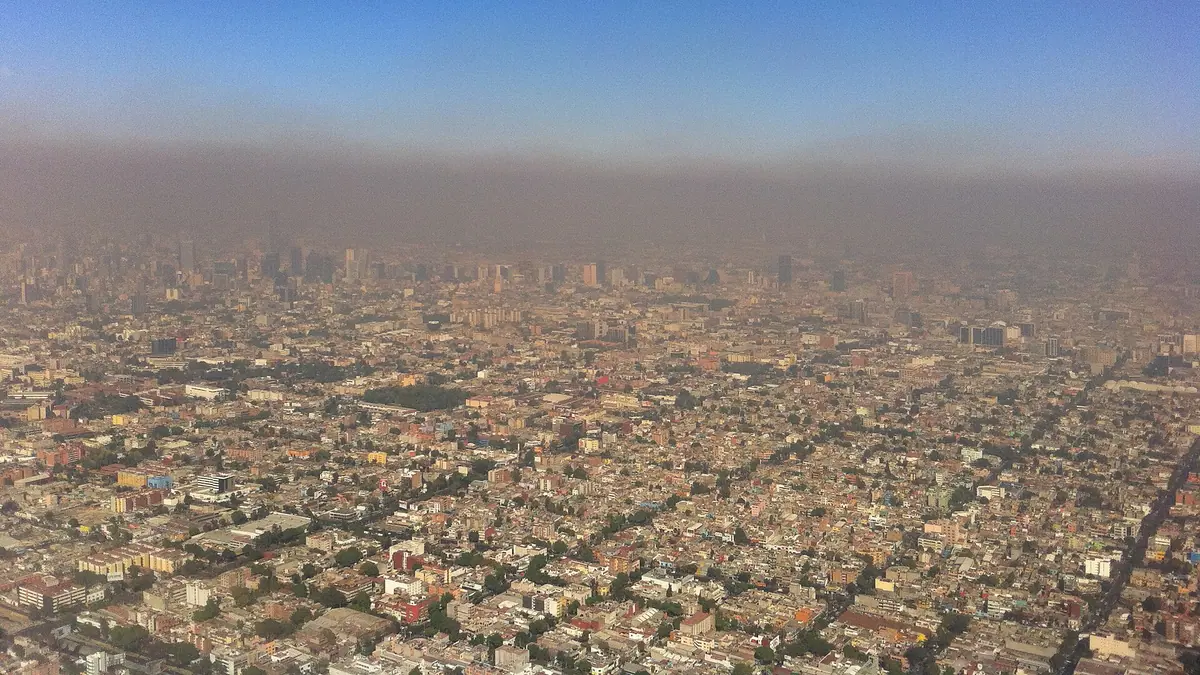

Children exposed to more air pollution tend to have more eczema and more eczema doctor visits, according to a review of 52 studies published online in JAMA Pediatrics on November 9, 2026. The link between air pollution and eczema held for some pollutants and some outcomes, not all of them.
The review was led by Megan Park of the University of Toronto, with Aaron M. Drucker as senior author. It pooled observational studies of children under 18, found through searches of MEDLINE, Embase and Cochrane databases up to February 10, 2026. Out of 2,528 citations, 52 studies met the criteria.
Which pollutants were linked to eczema
The authors graded each finding for certainty. These four associations were rated moderate certainty, and the paper describes them as “probably” associated. Each odds ratio is per 10 µg/m3 increase in the pollutant:
- Nitrogen dioxide (NO2): linked to more eczema outpatient visits (odds ratio 3.46; 95% CI, 1.06 to 11.31).
- Sulfur dioxide (SO2): linked to more eczema outpatient visits (odds ratio 3.96; 95% CI, 1.00 to 15.65).
- Fine particles (PM2.5): linked to higher eczema prevalence (odds ratio 1.04; 95% CI, 1.00 to 1.08).
- Coarser particles (PM10): linked to higher eczema prevalence (odds ratio 1.19; 95% CI, 1.06 to 1.35).
For new cases of eczema and for how severe it gets, the results were mixed or didn’t support a link. Ozone, carbon monoxide and traffic pollution were also studied.
How to read these numbers
The confidence intervals for NO2 and SO2 are wide, so the true effect could be much smaller than the headline figure. The PM2.5 result is small, with a lower bound of 1.00. And because every included study was observational, the review shows an association, not proof that pollution causes eczema.
The authors’ conclusion is cautious: certain outdoor pollutants are probably associated with some extra eczema burden in children. They see air quality as part of public health efforts on eczema.
The pollutants in plain terms
According to the U.S. Environmental Protection Agency, particulate matter is “a mixture of solid particles and liquid droplets found in the air.” PM2.5 and PM10 are named for the particle size in micrometers. Nitrogen dioxide “primarily gets in the air from the burning of fuel,” and sulfur dioxide is another combustion pollutant that the EPA says children with asthma are especially sensitive to.
You can check local levels with the Air Quality Index on AirNow. As the site puts it, “The higher the AQI value, the greater the level of air pollution and the greater the health concern.”
What it means for families
Atopic dermatitis is the most common type of eczema, and MedlinePlus describes it as a long-term skin disorder with scaly, itchy rashes. The review doesn’t test anything parents can do about pollution, so it doesn’t change treatment advice.
What does have strong evidence is daily skin care. A Cochrane review of 77 trials found that moisturizers reduce eczema flares and the amount of steroid cream needed. Our baby eczema cream guide covers how to choose one, and our page on eczema and sensitive skin explains how to keep a routine simple. If you think something in your child’s environment or diet is a trigger, ask your pediatrician or dermatologist; our guide to foods that cause eczema explains when food testing makes sense.
We’ll update this page if follow-up studies change the picture.
Related guides
Baby
Baby Wipes and Skincare for Sensitive Skin: What to Use
Baby wipes, bath cleansers, moisturizers and diaper creams for dry or eczema-prone baby skin: what research says and which ingredients to avoid.
Baby
Baby Laundry Detergent: Do You Need a Special One?
Do you need a baby laundry detergent? Babies don't need a special brand, but fragrance-free, dye-free washing helps their skin. Plus pod safety.
Skincare
Fragrance Free Moisturizer for Sensitive Skin: How to Choose
How to choose a fragrance free moisturizer for sensitive or eczema-prone skin: ointments vs creams, barrier-repair ingredients and common irritants.
Sources & further reading
- JAMA Pediatrics — Park and colleagues, 2026: the news itself: published online November 9, 2026; 52 observational studies from 2,528 citations; NO2 and SO2 probably linked to more eczema outpatient visits, PM2.5 and PM10 probably linked to higher eczema prevalence, mixed results for new cases and severity. DOI: 10.1001/jamapediatrics.2026.5020.
- U.S. Environmental Protection Agency — Particulate Matter (PM) Basics, last updated September 18, 2026: what PM2.5 and PM10 are: a mixture of solid particles and liquid droplets found in the air.
- U.S. Environmental Protection Agency — Basic Information about NO2, last updated June 24, 2026: nitrogen dioxide gets into the air mainly from burning fuel.
- U.S. Environmental Protection Agency — Sulfur Dioxide Basics, last updated January 2, 2026: what sulfur dioxide is and why children with asthma are sensitive to it.
- AirNow (U.S. EPA and partner agencies) — AQI Basics, no date shown: how the Air Quality Index works: the higher the value, the greater the health concern.
- MedlinePlus (U.S. National Library of Medicine) — Atopic dermatitis, review date October 13, 2024: atopic dermatitis is a long-term skin disorder with scaly, itchy rashes.
- MedlinePlus (U.S. National Library of Medicine) — Eczema, last updated June 15, 2025: atopic dermatitis is the most common type of eczema.
- Cochrane Database of Systematic Reviews — van Zuuren and colleagues, 2017: systematic review of 77 trials: moisturizers reduce eczema flares and the amount of steroid cream needed. DOI: 10.1002/14651858.CD012119.pub2.