Hypoallergenic Perfume: Is There a Safe Scent?
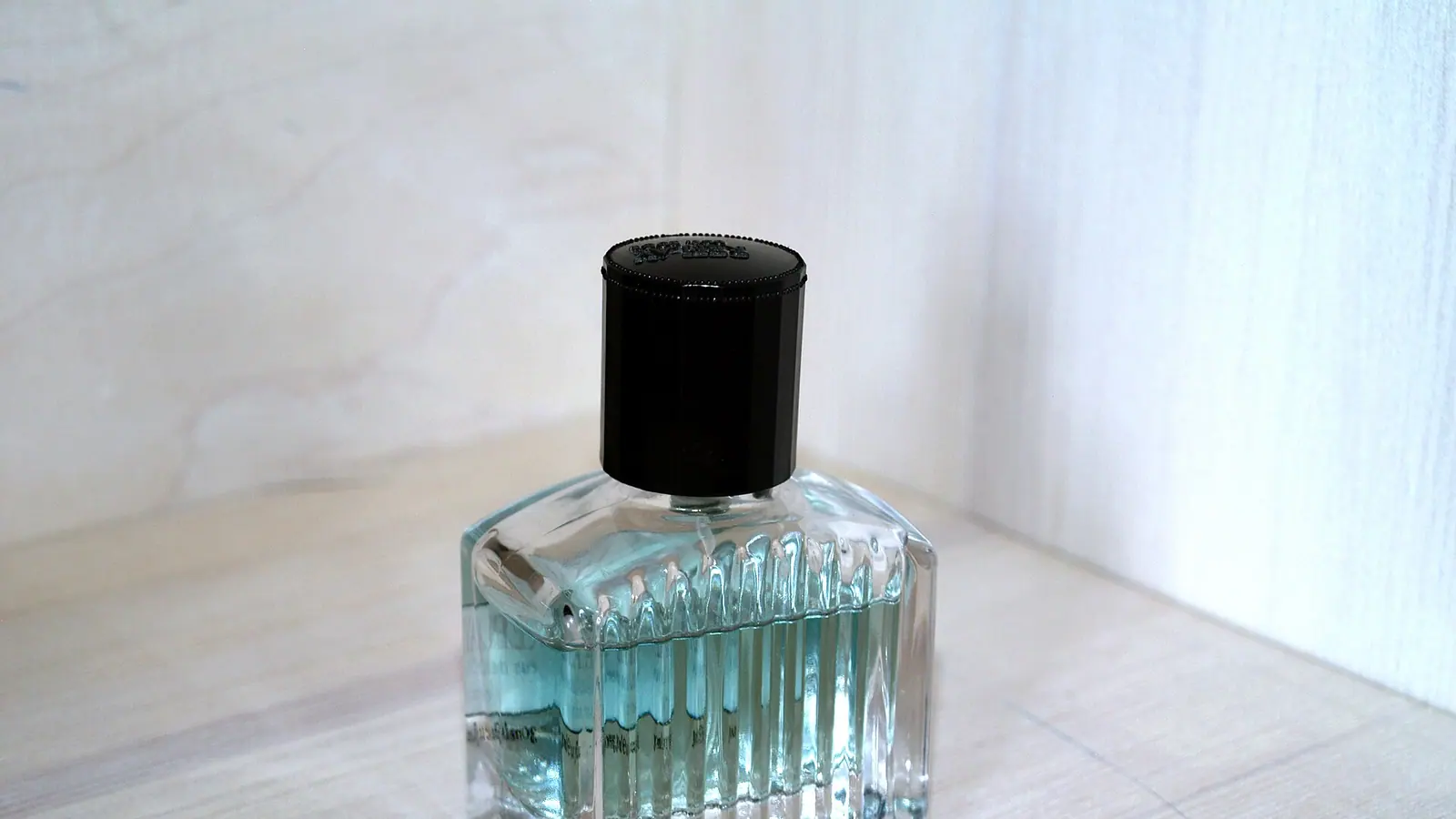

Is there a hypoallergenic perfume? Not really. People who react to perfume are allergic to the fragrance chemicals themselves, so any perfume, however gentle it claims to be, contains what triggers the reaction. “Hypoallergenic” on a bottle has no legal definition, and the FDA doesn’t require proof of the claim. If you’ve been diagnosed with a fragrance allergy, the safe choice is no perfume; if your skin is only sensitive, there are ways to lower the risk.
Perfume allergy: how common it is
Fragrance allergy is one of the most common skin allergies. A review in Dermatitis estimates that up to 4.5% of adults are allergic to fragrance materials, and 20% to 25% of people who are patch tested for dermatitis. It names fine fragrances, along with deodorants and aftershaves, among the products that most often cause the allergy in the first place.
A perfume allergy rash typically appears where the scent touched the skin, such as the neck or wrists, and like other contact allergies it often shows up 24 to 48 hours after contact (MedlinePlus). Our fragrance allergy guide covers symptoms, the patch test series and the most common fragrance allergens in detail.
Fragrance free perfume: does it exist?
A perfume can’t be fragrance free, since its scent is the fragrance. What’s sold under that search term usually falls into one of these groups:
| Label | What it means for an allergy |
|---|---|
| “Hypoallergenic perfume” | Marketing term; still contains fragrance chemicals |
| Single-note or “skin scent” | Fewer ingredients, but each can still be an allergen |
| Essential oil perfume | Natural, not safer: nearly 80 essential oils have caused allergy |
| Fragrance-free products | No perfume at all; the only option for a diagnosed allergy |
The essential oil point surprises many people. A review of essential oil allergy in Dermatitis found that nearly 80 oils have caused contact allergy, with orange, tea tree, ylang-ylang, sandalwood and clove among those giving positive patch tests in more than 2% of patients. Citrus and lavender notes also bring limonene and linalool, which become stronger allergens as they oxidize in air (Contact Dermatitis).
Vegan perfume
A vegan perfume leaves out animal-derived ingredients such as musk, ambergris or beeswax. That’s an ethical choice, not an allergy one: a vegan perfume can still contain essential oils, and nearly 80 essential oils have caused contact allergy (Dermatitis), along with oxidized limonene and linalool (Contact Dermatitis). If you have a fragrance allergy, the ingredient list matters more than the vegan label.
Alcohol free perfume
Alcohol-free perfumes use oils or other carriers instead of ethanol. They may feel less drying, but they don’t remove the fragrance chemicals behind an allergy. For a fragrance allergy, alcohol free doesn’t help.
Phthalate free perfume and non toxic perfume
“Phthalate free” usually refers to diethyl phthalate (DEP), which the FDA says is used as a solvent and fixative in fragrances and is the only phthalate still commonly used in cosmetics. The FDA states that DEP poses no known health risk as currently used in cosmetics and fragrances (FDA). Phthalates aren’t a typical cause of perfume allergy, so a phthalate free perfume can still trigger one.
“Non toxic” has no regulatory meaning on cosmetics. It doesn’t tell you anything about allergens.
Hypoallergenic cologne and how to wear scent with less risk
The same rules apply to cologne, body spray and aftershave. If your skin is sensitive but you haven’t been diagnosed with a fragrance allergy:
- Read the ingredient list. In the US, fragrance can appear as one word, “Fragrance,” and the FDA can’t require allergen labeling the way it does for food. Products made for the EU name specific fragrance allergens individually under Regulation (EU) 2023/1545, which can help you spot ones you react to.
- Patch test a new scent before wearing it, as our patch test guide explains.
- Stop at the first itch. A rash that returns where you apply scent points to an allergy. MedlinePlus explains how patch testing identifies it.
For everything else you put on your skin, our guide to fragrance free personal care products lists what to check on each label.
More in Personal care
Hypoallergenic Sunscreen: Mineral vs Chemical Filters
Hypoallergenic sunscreen: why zinc oxide and titanium dioxide rarely cause allergy, which chemical filters react most, and how to read Drug Facts.
Hypoallergenic Hair Dye: PPD-Free Options and the Skin Test
Hypoallergenic hair dye and PPD-free claims: what causes hair dye allergy, how to do the skin test on the label, and when to see a doctor before you color.
Hypoallergenic Deodorant: How to Choose for Sensitive Skin
Hypoallergenic deodorant for sensitive underarms: why fragrance causes most reactions, deodorant vs antiperspirant, baking soda, and what to use instead.

Hypoallergenic Shampoo: Ingredients to Avoid and How to Pick
Hypoallergenic shampoo: what the label really means, common allergens such as fragrance and preservatives, signs of a reaction, and how to choose.
Sources & further reading
- U.S. Food and Drug Administration — "Hypoallergenic" cosmetics: no federal standard or definition, and no requirement to substantiate the claim.
- U.S. Food and Drug Administration — Fragrances in cosmetics: some fragrance components can cause allergic reactions; FDA can't require fragrance allergen labeling as it does for food; fragrance can be listed as "Fragrance"; the phthalate commonly used in fragrance, DEP, poses no known health risk as currently used.
- U.S. Food and Drug Administration — Phthalates and cosmetic products: diethyl phthalate (DEP) is used as a solvent and fixative in fragrances and appears to be the only phthalate still commonly used in cosmetics.
- Dermatitis — de Groot, 2020: fragrance allergy review: up to 4.5% of adults allergic to fragrance materials, 20% to 25% of patients patch tested for dermatitis; more than 150 fragrances have caused allergy; deodorants, fine fragrances and aftershaves often cause the sensitization. DOI: 10.1097/DER.0000000000000463.
- Dermatitis — de Groot and Schmidt, 2016: nearly 80 essential oils have caused contact allergy; nine, including orange, tea tree, ylang-ylang, sandalwood and clove, gave more than 2% positive patch tests in consecutive patients. DOI: 10.1097/DER.0000000000000197.
- Contact Dermatitis — Ogueta and colleagues, 2022: review of oxidized limonene and linalool, common fragrance terpenes that frequently cause positive patch tests. DOI: 10.1111/cod.14064.
- European Union — Commission Regulation (EU) 2023/1545 on labelling of fragrance allergens in cosmetic products.
- MedlinePlus (U.S. National Library of Medicine) — Contact dermatitis: an allergy usually shows 24 to 48 hours after contact; common allergens include fragrances; patch testing finds the cause.