Category
Anaphylaxis and allergy emergencies

Anaphylaxis is a severe allergic reaction that comes on fast and can affect breathing and blood pressure. It’s an emergency, and epinephrine is the first treatment. These guides cover what to do before, during and after a reaction: how to use your auto-injector, which device fits you, the written plan your doctor signs, and how to stay safe away from home.
Emergency: Trouble breathing, throat tightness, swelling of the tongue or lips, fainting, or hives with vomiting after a food, sting or medicine can be anaphylaxis. Use epinephrine if it’s been prescribed and call 911.
Anaphylactic shock: why minutes matter
Doctors diagnose anaphylaxis when symptoms come on quickly and involve more than one body system, or when blood pressure drops after contact with a known allergen (Journal of Allergy and Clinical Immunology). When blood pressure falls far enough, it’s called anaphylactic shock. Our anaphylaxis symptoms guide lists the warning signs body system by body system, and our bee sting allergy guide covers reactions to stings.
Epinephrine: the first treatment
The U.S. anaphylaxis practice parameters name prompt epinephrine as the first-line treatment and link delays with worse outcomes (2020, 2023). Antihistamines don’t stop anaphylaxis. Epinephrine comes as auto-injectors such as EpiPen and Auvi-Q, as FDA-approved generics, and since 2024 as a needle-free nasal spray (FDA).
- EpiPen: how and when to use it, EpiPen Jr, expiration, storage and side effects.
- Epinephrine auto-injector: EpiPen vs Auvi-Q, generics and neffy, with doses and costs.
Severe allergic reaction: be ready before it happens
A 2026 international consensus set out when to give epinephrine and when to call emergency services during reactions outside the hospital (Journal of Allergy and Clinical Immunology); your doctor turns that kind of guidance into a personal plan.
- Allergy action plan: what goes in it, the official forms and how schools use it.
- Traveling with food allergies: TSA rules for epinephrine, flights, allergy cards and hotels.
- Medical alert bracelet: what to engrave and which metals to choose with a nickel allergy.
Always carry two doses of your epinephrine, as the label advises (DailyMed), and make sure the people around you know where it is.
Allergy emergency at a glance
| Guide | The one thing to know |
|---|---|
| Epipen | An EpiPen is a pre-filled epinephrine auto-injector for anaphylaxis. Use it at the first signs of a severe reaction, then call 911. |
| Epinephrine auto injector | All epinephrine auto-injectors deliver the same drug into the outer thigh; they differ in how you trigger them, the doses they come in and the price. |
| Allergy action plan | An allergy action plan is a one-page, written set of instructions for an allergic reaction, filled in and signed by your doctor. |
| Traveling with food allergies | Pack two epinephrine auto-injectors, your emergency plan and safe snacks in your carry-on, never in checked bags. |
Allergy emergency guides
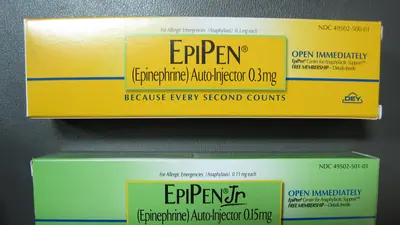
EpiPen: How to Use It, Dosage, Expiration and Side Effects
EpiPen guide: how and when to use it, where to inject, EpiPen vs EpiPen Jr dosage, what to do with an expired pen, storage temperature and side effects.
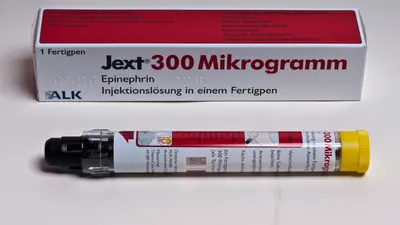
Epinephrine Auto-Injector: EpiPen vs Auvi-Q, Generic, Neffy
Epinephrine auto-injector options compared: EpiPen vs Auvi-Q, generic auto-injectors and the neffy nasal spray, with doses by weight and what each one costs.

Allergy Action Plan: What It Includes and Where to Get One
An allergy action plan tells anyone what to do in a reaction: what goes in it, which official form to use, who signs it, and how schools use it.

Traveling With Food Allergies: Flights, EpiPen, Chef Cards
Traveling with food allergies: how to get your EpiPen through TSA, lower the risk of a reaction on a plane, use allergy cards abroad and pick a safer hotel.
Allergy emergency guides in other sections
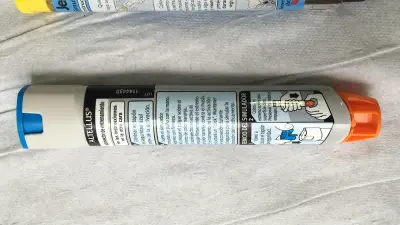
Anaphylaxis Symptoms: Signs, What to Do and Epinephrine
Anaphylaxis symptoms to act on: the warning signs doctors use, why epinephrine comes first, the nasal spray option, and what to do after a reaction.
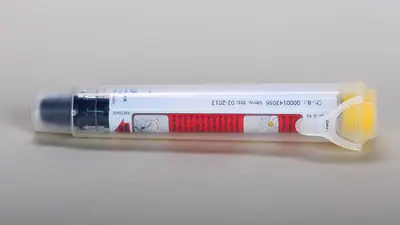
Anaphylaxis Kit: What to Pack in an Allergy Emergency Bag
An anaphylaxis kit holds two epinephrine auto-injectors, a signed emergency plan, medical ID, wipes and safe snacks. Plus a kids' kit and monthly checks.
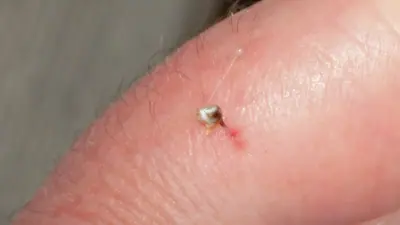
Bee Sting Allergy: Symptoms, Swelling and Treatment
A bee sting allergy can mean a large swollen reaction or anaphylaxis. Learn the warning signs, swelling that lasts days, first aid, epinephrine and venom shots.
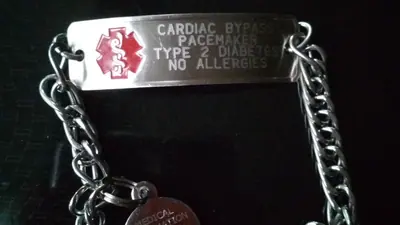
Medical Alert Bracelet: What to Engrave, Nickel-Free Metals
Medical alert bracelet guide for allergies: what to engrave, bracelet or necklace, and which metals and bands to choose if you have a nickel allergy.
Sources & further reading
- Journal of Allergy and Clinical Immunology — Sampson and colleagues, 2006: NIAID and FAAN symposium report that set the widely used clinical criteria for diagnosing anaphylaxis. DOI: 10.1016/j.jaci.2005.12.1303.
- Journal of Allergy and Clinical Immunology — Shaker and colleagues, 2020: 2020 anaphylaxis practice parameter: epinephrine as first-line treatment and the risk of biphasic reactions. DOI: 10.1016/j.jaci.2020.01.017.
- Annals of Allergy, Asthma & Immunology — Golden and colleagues, 2024: 2023 U.S. anaphylaxis practice parameter update: prompt epinephrine, revised diagnostic criteria and epinephrine auto-injector use. DOI: 10.1016/j.anai.2023.09.015.
- Journal of Allergy and Clinical Immunology — Dribin and colleagues, 2026: international consensus of 34 experts on when to give epinephrine and when to call emergency services during allergic reactions outside the hospital. DOI: 10.1016/j.jaci.2025.11.008.
- U.S. Food and Drug Administration — FDA approves first nasal spray for treatment of anaphylaxis (August 2024).
- U.S. National Library of Medicine (DailyMed) — EpiPen and EpiPen Jr prescribing information: weight-based doses, outer-thigh injection, carry two auto-injectors.