Traveling With Food Allergies: Flights, EpiPen, Chef Cards
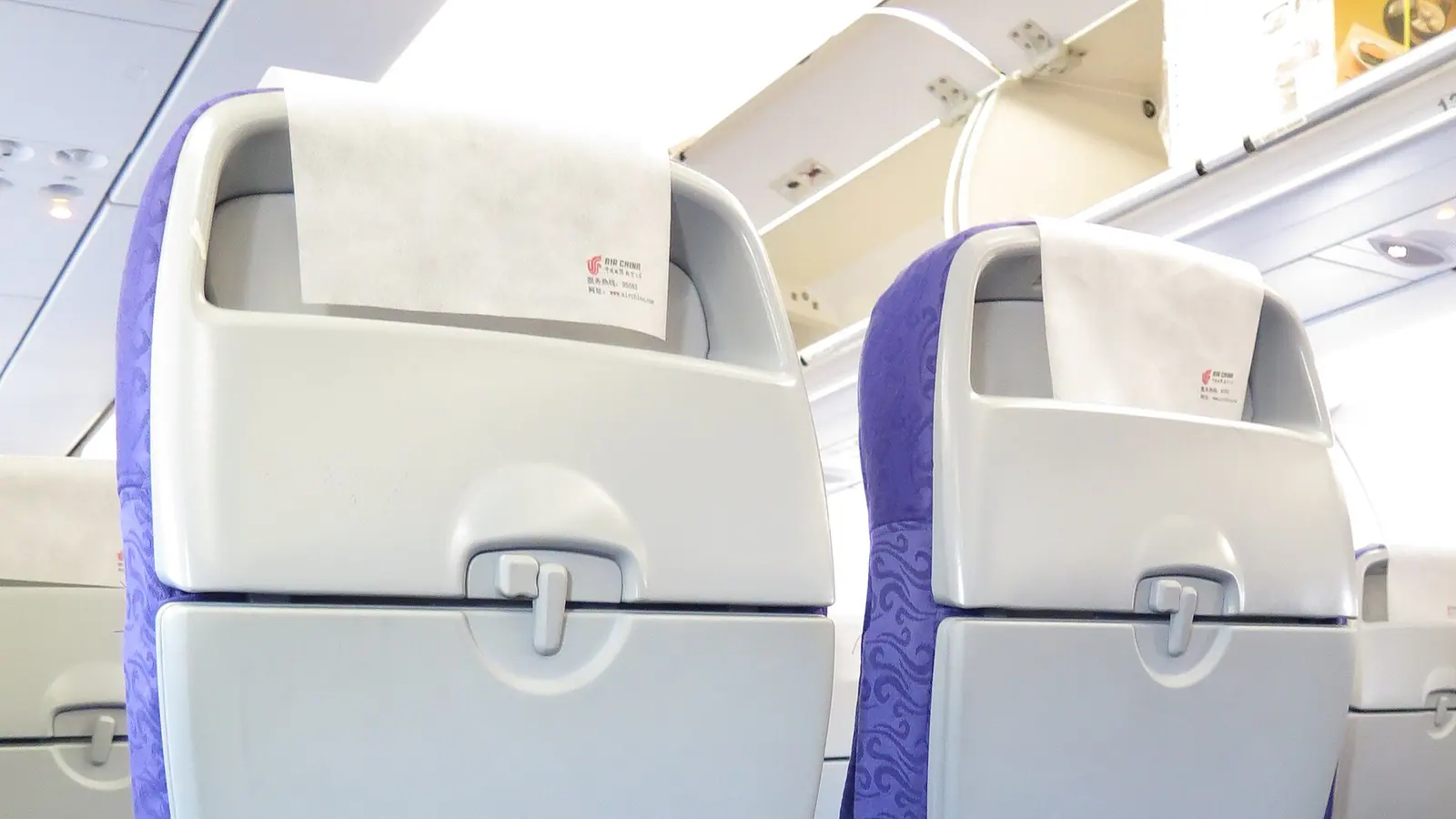

How do you travel safely with food allergies? Traveling with food allergies comes down to three things: always have two epinephrine auto-injectors and your emergency plan with you, control what you eat on the way, and make sure the people around you, from flight crews to waiters, know about your allergy. The CDC’s travel advice starts a month before you go, with a visit to your doctor (CDC Travelers’ Health).
Emergency: If you have signs of anaphylaxis while traveling, use your epinephrine right away and get emergency help: call 911 in the U.S., tell the flight crew on a plane, or call the local emergency number abroad. Look up that number before you leave.
Traveling with allergies: what to pack
The CDC’s list for travelers with allergies (CDC Travelers’ Health), plus what the EpiPen label says about carrying and storing it:
- Two epinephrine auto-injectors, more if you’ll be far from medical care. The label says to always carry two (DailyMed).
- Your other medicines, such as inhalers and antihistamines, with enough for the whole trip plus extra for delays.
- Copies of your emergency plan, including one in the local language. Our allergy action plan guide explains how to get one.
- Safe snacks and meals for the airport and the flight.
- Allergy cards translated into the local language.
- A medical alert bracelet or similar ID.
- Your health insurance card, and travel insurance if your plan doesn’t cover care abroad.
Keep everything in your carry-on. Don’t leave epinephrine in a hot car or in checked luggage: pens kept at 70 °C (158 °F) for 10 days delivered only about 78% of their dose (Drug Development and Industrial Pharmacy), and the label wants them between 15 and 30 °C (59 and 86 °F).
TSA and your EpiPen: flying with epinephrine
TSA allows medically necessary liquids in larger amounts than the usual 3-1-1 limit, in reasonable quantities for your trip (TSA). At the checkpoint:
- Tell the TSA officer before screening starts that you have medically necessary liquids or medications. You can say it out loud, show a TSA notification card or show medical documentation.
- Put them in a separate bin, along with their accessories, such as syringes and ice packs.
- Expect possible extra screening. Officers may X-ray or test the items. If you don’t want your medicine X-rayed or opened, say so; you’ll get other screening steps instead.
Keeping the pharmacy label on your auto-injector box makes screening easier. The final decision on any item rests with the TSA officer, so leave extra time.
Peanut allergy on a flight
Reactions on planes do happen. In a global survey of 4,704 people with food allergies or their caregivers, 8.5% reported at least one reaction in flight, most often to peanut or tree nuts, and epinephrine was used in 15% of those reactions, almost always the passenger’s own (Journal of Allergy and Clinical Immunology: In Practice). Many said the accommodations they requested weren’t provided as promised.
An earlier international survey linked several simple steps with lower odds of a reaction (Journal of Allergy and Clinical Immunology: In Practice):
- Asking the airline for accommodations before the flight.
- Wiping down the tray table.
- Not eating airline-provided food, and bringing your own.
- Avoiding airline pillows and blankets.
- Asking for a buffer zone, or for nearby passengers not to eat nuts.
These are survey results, not proof, but they’re easy to do. Airlines’ answers can be unreliable: in one study, customer service gave different investigators inconsistent information about whether peanuts were served (Annals of Allergy, Asthma & Immunology). Get the policy in writing, and tell the crew when you board where your epinephrine is.
Allergy cards for travel
An allergy card, often called a chef card, is a small card that names your allergies and asks the kitchen to avoid them, including cross-contact. The CDC recommends handing one to anyone who prepares your food, translated into the local language (CDC Travelers’ Health).
A good card says:
- What you can’t eat, with common hidden sources (for example “peanuts, peanut oil and peanut flour”).
- That even small amounts can cause a severe reaction.
- A request to use clean utensils, pans and surfaces, and not to use shared fryers.
- Thank you, in the local language.
Have the translation checked by a professional or a fluent speaker you trust, since a mistake could be dangerous. Keep a copy on your phone as well as on paper.
Eating out with food allergies on a trip
The CDC’s advice abroad: always ask about ingredients and check labels, and when in doubt, don’t eat it. Skip street food, where there’s often no reliable way to check what’s in it (CDC Travelers’ Health). Carry your auto-injector to every activity, even if you don’t plan to eat. Food labeling rules differ by country; our food allergies guide explains how U.S. labels work, so you know what may be missing elsewhere.
Allergy friendly hotel: choosing where to stay
For food allergies, a room with a kitchen or kitchenette lets you prepare your own meals. For environmental allergies, the CDC suggests smoke-free and pet-free accommodations (CDC Travelers’ Health); our guides to dust allergy and pollen allergy explain what else to look for.
Before you go, teach your travel companions the signs of a severe reaction, where you keep your epinephrine and how to use it. Our EpiPen guide walks through the steps.
What we left out, and why
- Airline-by-airline peanut policies.They change often, and a study found airline customer service gave inconsistent answers. Check with your airline in writing before you book.
- Ready-made translated allergy cards.A wrong translation could be dangerous. Have yours translated by a professional or a fluent speaker you trust.
What the evidence doesn’t settle yet
- The in-flight studies are surveys of people who chose to answer, so they can't prove which precautions prevent reactions.
More in Emergencies
EpiPen: How to Use It, Dosage, Expiration and Side Effects
EpiPen guide: how and when to use it, where to inject, EpiPen vs EpiPen Jr dosage, what to do with an expired pen, storage temperature and side effects.
Epinephrine Auto-Injector: EpiPen vs Auvi-Q, Generic, Neffy
Epinephrine auto-injector options compared: EpiPen vs Auvi-Q, generic auto-injectors and the neffy nasal spray, with doses by weight and what each one costs.
Allergy Action Plan: What It Includes and Where to Get One
An allergy action plan tells anyone what to do in a reaction: what goes in it, which official form to use, who signs it, and how schools use it.
Sources & further reading
- Centers for Disease Control and Prevention (Travelers' Health) — Allergies and travel: see a provider a month before, pack epinephrine and safe snacks, translated allergy cards and emergency plan, medical alert bracelet, travel insurance, avoid street food, teach companions, choose smoke-free and pet-free lodging.
- Transportation Security Administration — Disabilities and medical conditions: tell the officer about medically necessary liquids and medications, put them and their accessories (syringes, freezer packs) in a separate bin; larger amounts allowed in reasonable quantities.
- Journal of Allergy and Clinical Immunology: In Practice — Greenhawt and colleagues, 2013: survey of 3,273 people from 11 countries: 349 in-flight peanut or tree nut reactions; asking for accommodations, wiping the tray table, skipping airline food, pillows and blankets and requesting a buffer zone were linked with lower odds of a reaction. DOI: 10.1016/j.jaip.2013.01.002.
- Journal of Allergy and Clinical Immunology: In Practice — Warren and colleagues, 2024: global survey of 4,704 patients and caregivers: 8.5% reported at least one in-flight reaction, epinephrine was used in 15.1% and was usually their own; only 57.4% of reactions were reported to the airline. DOI: 10.1016/j.jaip.2024.08.045.
- Annals of Allergy, Asthma & Immunology — Comstock and colleagues, 2008: about 9% of 471 people with nut or seed allergy reported a reaction aboard a plane; airline customer service gave inconsistent answers on whether peanuts were served. DOI: 10.1016/S1081-1206(10)60835-6.
- U.S. National Library of Medicine (DailyMed) — EpiPen prescribing information: carry two auto-injectors, store at 20 to 25 °C with excursions from 15 to 30 °C, protect from light, don't refrigerate.
- Drug Development and Industrial Pharmacy — Rachid and colleagues, 2016: auto-injectors kept at 70 °C for 10 days delivered about 78% of the labeled dose. DOI: 10.3109/03639045.2015.1035283.