Hypoallergenic Shampoo: Ingredients to Avoid and How to Pick
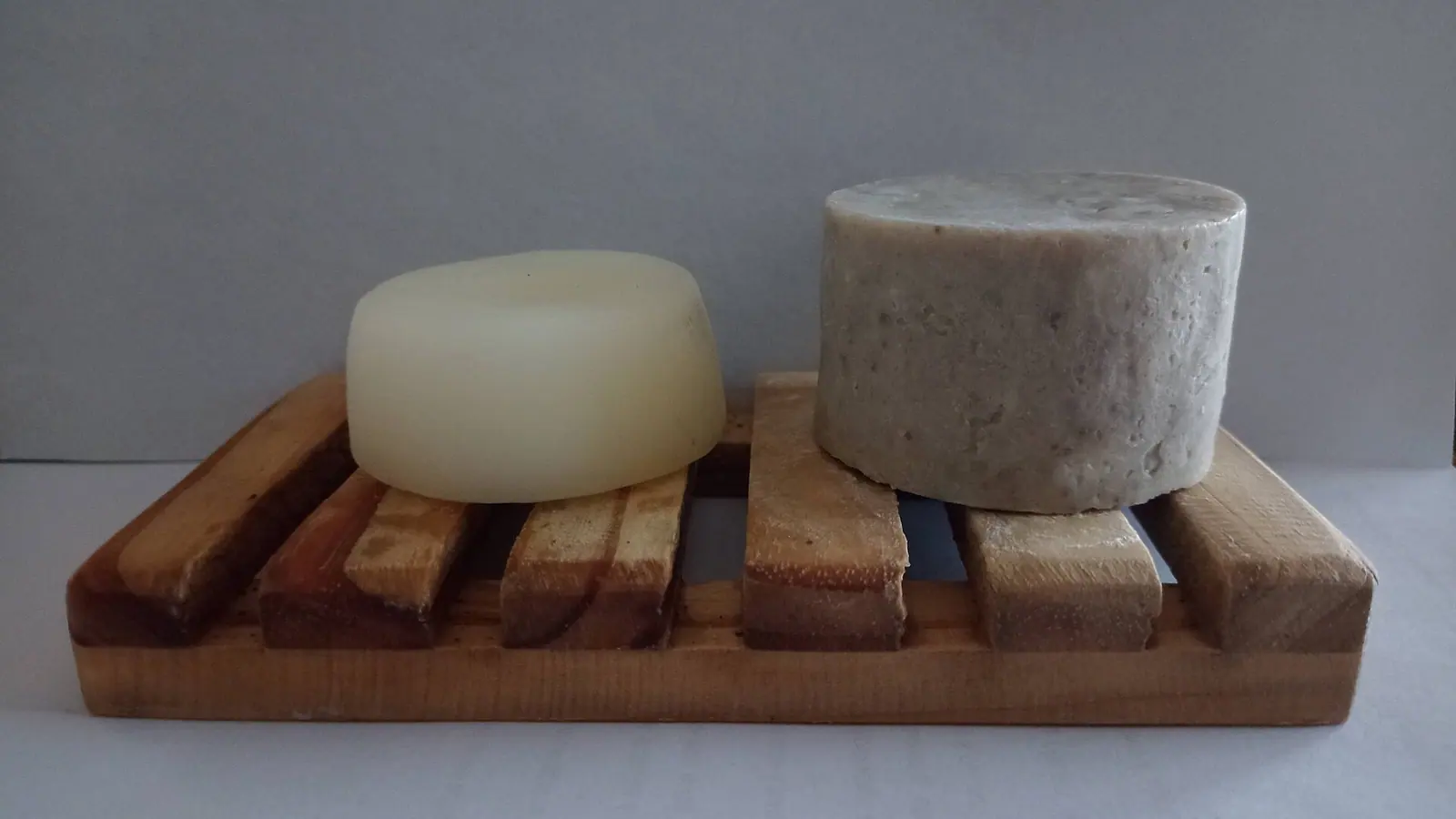

What is hypoallergenic shampoo? A hypoallergenic shampoo is one the maker says is less likely to cause allergic reactions, but the word has no legal definition. In practice, a shampoo for sensitive skin should be fragrance-free and avoid the preservatives and foaming agents that most often cause allergy. The ingredient list tells you more than the front label.
What the label really means
The FDA says there are no federal standards or definitions for “hypoallergenic,” and that companies don’t have to prove the claim. A “hypoallergenic” or “gentle” shampoo can still contain fragrance or a common preservative allergen. Our guide on what hypoallergenic means explains why.
Signs of a shampoo reaction
Shampoo can cause two kinds of trouble. Irritation, from detergents stripping the skin, makes the scalp dry, tight or itchy. Allergy causes an itchy, red, sometimes flaky or blistered rash a day or two after use.
MedlinePlus lists shampoos and hair products among the causes of contact dermatitis and notes that hair products tend to affect the face, head and neck. So an allergic reaction to shampoo can show up well beyond the scalp, wherever the lather runs: the forehead, ears, eyelids, the back of the neck and the hands.
Ingredients behind most reactions
Fragrance. Fragrance is one of the most common causes of cosmetic contact allergy, and a review by Sukakul and colleagues notes that fragrance mixtures and plant extracts contain many possible sensitizers. Look for “fragrance-free,” not “unscented,” and skip essential oils if you react easily; see fragrance-free vs unscented.
Isothiazolinone preservatives. Methylisothiazolinone (MI) and methylchloroisothiazolinone (MCI) preserve many shampoos. In North American patch test data for 2023 to 2024, Reeder and colleagues found MI allergy in 9.2% of tested patients, though it has been falling. See our guide to methylisothiazolinone allergy.
Formaldehyde releasers. Preservatives such as DMDM hydantoin, quaternium-15, diazolidinyl urea and imidazolidinyl urea release small amounts of formaldehyde. A review by de Groot and colleagues found them in about 20% of U.S. cosmetics and 27% of rinse-off products such as shampoos. See formaldehyde allergy.
Foaming agents. Cocamidopropyl betaine is a common mild surfactant. In German data on 83,864 patients, Schnuch and colleagues found weak and poorly reproducible reactions in about 2%. A newer trend matters more for “natural” shampoos: the Reeder data showed allergy to decyl and coco glucosides, gentle surfactants used in many plant-based formulas, increasing.
Lanolin and plant extracts. Lanolin derivatives and botanical extracts are added for conditioning. The same patch test data showed rising positivity to Amerchol L101, a lanolin marker.
How to choose a hypoallergenic shampoo
- Fragrance-free, with no essential oils if fragrance is a trigger.
- A short ingredient list, so it’s easier to spot your allergens.
- No MI or MCI, and no formaldehyde releasers if you react to them.
- Know your own results. If a dermatologist has patch tested you, avoid exactly what you reacted to, including glucosides if they showed up.
- Rinse well, keep lather away from your eyes and face, and wash your hands after.
If a new shampoo stings or itches, stop using it. A rash that keeps returning around the hairline or neck is a reason to ask a dermatologist about patch testing; our guide to contact dermatitis explains how it works. If you dye your hair, the culprit may be the dye rather than the shampoo; see hypoallergenic hair dye. Mint flavors in toothpaste are another everyday trigger around the mouth.
More in Personal care
Hypoallergenic Sunscreen: Mineral vs Chemical Filters
Hypoallergenic sunscreen: why zinc oxide and titanium dioxide rarely cause allergy, which chemical filters react most, and how to read Drug Facts.
Hypoallergenic Hair Dye: PPD-Free Options and the Skin Test
Hypoallergenic hair dye and PPD-free claims: what causes hair dye allergy, how to do the label's skin test, and when to see a doctor first.
Hypoallergenic Deodorant: How to Choose for Sensitive Skin
Hypoallergenic deodorant for sensitive underarms: why fragrance causes most reactions, deodorant vs antiperspirant, baking soda, and what to use instead.
Hypoallergenic Bandages: Adhesive Allergy and What to Use
Hypoallergenic bandages and adhesive allergy: rosin, acrylates and latex in tapes, irritation vs allergy, glucose sensor reactions, and gentler options.
Sources & further reading
- U.S. Food and Drug Administration — "Hypoallergenic" cosmetics: no federal standard or definition, and no requirement to substantiate the claim.
- Dermatitis — Reeder and colleagues, 2026: north American Contact Dermatitis Group results for 2023 to 2024: methylisothiazolinone allergy falling, decyl and coco glucoside allergy rising. DOI: 10.1177/17103568261486176.
- Contact Dermatitis — de Groot and colleagues, 2010: review finding that about 20% of U.S. cosmetics, and 27% of rinse-off products, contained a formaldehyde releaser. DOI: 10.1111/j.1600-0536.2009.01615.x.
- Contact Dermatitis — Schnuch and colleagues, 2011: analysis of 83,864 patch tests with the foaming agent cocamidopropyl betaine, with poorly reproducible reactions in about 2%. DOI: 10.1111/j.1600-0536.2010.01863.x.
- Acta Dermato-Venereologica — Sukakul and colleagues, 2024: review of fragrance contact allergy and of how it is diagnosed with patch testing. DOI: 10.2340/actadv.v104.40332.
- MedlinePlus (U.S. National Library of Medicine) — Contact dermatitis: shampoos and hair products as causes, with hair products affecting the face, head and neck.