How to Reduce Pet Allergies at Home: A Practical Plan


How can you reduce pet allergies at home? Here’s how to reduce pet allergies in five steps: keep pets out of the bedroom, run a HEPA air purifier, vacuum with a sealed HEPA vacuum, wash bedding and the pet regularly, and ask your doctor about medical options; together these steps lower allergen exposure.
Many people with pet allergies live with pets anyway. With a plan, and with medical support, symptoms can often be reduced. If you have asthma that worsens around your pet, talk to your doctor before relying on home changes alone.
1. Protect the bedroom
You spend about eight hours a night there. Keep pets out of the bedroom at all times, keep the door closed, and use allergen-proof encasements on the mattress and pillows, which also block pet allergen that settles there.
2. Filter the air
Cat and dog allergen particles are small and stay airborne for a long time, so this is one case where an air purifier makes a real difference. Put a true HEPA unit with an adequate CADR in the bedroom and the main living area. If you have forced-air heating or cooling, ask about higher-efficiency furnace filters (for example MERV 11 to 13, if your system can handle them).
3. Reduce fabric reservoirs
- Hard floors are easier to keep allergen-free than wall-to-wall carpet.
- Use washable covers or throws on sofas and wash them weekly.
- Wash pet beds and blankets weekly in hot water.
- Choose blinds or washable curtains.
4. Clean the right way
- Vacuum at least weekly with a sealed HEPA vacuum. See vacuums for allergies.
- Damp-dust surfaces instead of dry dusting.
- If possible, let a non-allergic person do the heavy cleaning.
5. Your pet’s routine
- Brush and groom pets outdoors, ideally done by someone without allergies.
- Bathing a dog reduces allergen on its coat, but the effect fades within a few days. See hypoallergenic pet shampoo for what’s gentle on pets’ skin. Most cats don’t need, or tolerate, regular baths.
- Wash your hands after petting, and don’t touch your eyes.
6. Medical options
An allergist can confirm which animal you react to and offer treatment, from antihistamines and nasal steroid sprays to allergen immunotherapy (allergy shots), which can reduce sensitivity over time.
Visiting homes with pets
Take your medicines before you go if your doctor has advised it, avoid sitting on upholstered furniture the pet uses, and change clothes after the visit.
More in Pets

Hypoallergenic Dog Breeds: What the Research Really Says
Are hypoallergenic dog breeds real? Studies measuring dog allergen in coats and homes tell another story. Poodles, doodles and what allergic owners can do.

Hypoallergenic Cat Breeds: Siberian, Sphynx and Fel d 1
Are there hypoallergenic cat breeds? What science says about Siberian, Balinese and Sphynx cats, why males make more Fel d 1, and options for owners.
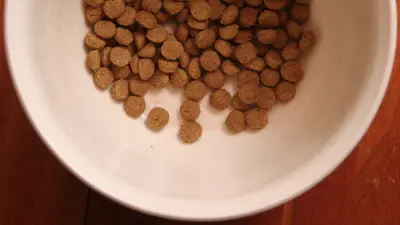
Hypoallergenic Dog Food and Cat Food: Diets Explained
Hypoallergenic dog food and cat food: hydrolyzed, novel protein and limited ingredient diets, the elimination trial, and why allergy tests mislead.

Hypoallergenic Dog Shampoo: How to Choose and Bathe Safely
Hypoallergenic dog shampoo usually means mild and fragrance-free. How to choose one, how often to bathe, why human shampoo isn't ideal, and cat cautions.
Sources & further reading
- National Institute of Environmental Health Sciences (NIH) — Allergens.
- U.S. Environmental Protection Agency — Guide to air cleaners in the home.
- International Journal of Molecular Sciences — An and colleagues, 2024: review of cat and dog allergens, how they cause disease and strategies to reduce exposure. DOI: 10.3390/ijms251910520.
- International Archives of Allergy and Immunology — Sulser and colleagues, 2009: randomized trial in asthmatic children in which HEPA cleaners captured airborne pet allergen but did not improve disease activity. DOI: 10.1159/000151502.
- Allergy — de Blay and colleagues, 1998: laboratory and home tests of five vacuum cleaners showing that some leak far more cat allergen into the air than others, and that all raised airborne allergen in a home with cats. DOI: 10.1111/j.1398-9995.1998.tb03914.x.
- Journal of Allergy and Clinical Immunology — Hodson and colleagues, 1999: study showing that washing a dog cut allergen on its hair by about 84 percent, but the dog must be washed at least twice a week to keep levels down. DOI: 10.1016/s0091-6749(99)70227-7.
- Annals of Allergy, Asthma & Immunology — Allenbrand and colleagues, 2017: study comparing the indoor allergens captured by home furnace filters with those found in vacuumed floor dust. DOI: 10.1016/j.anai.2016.10.001.