Hypoallergenic Dog Food and Cat Food: Diets Explained
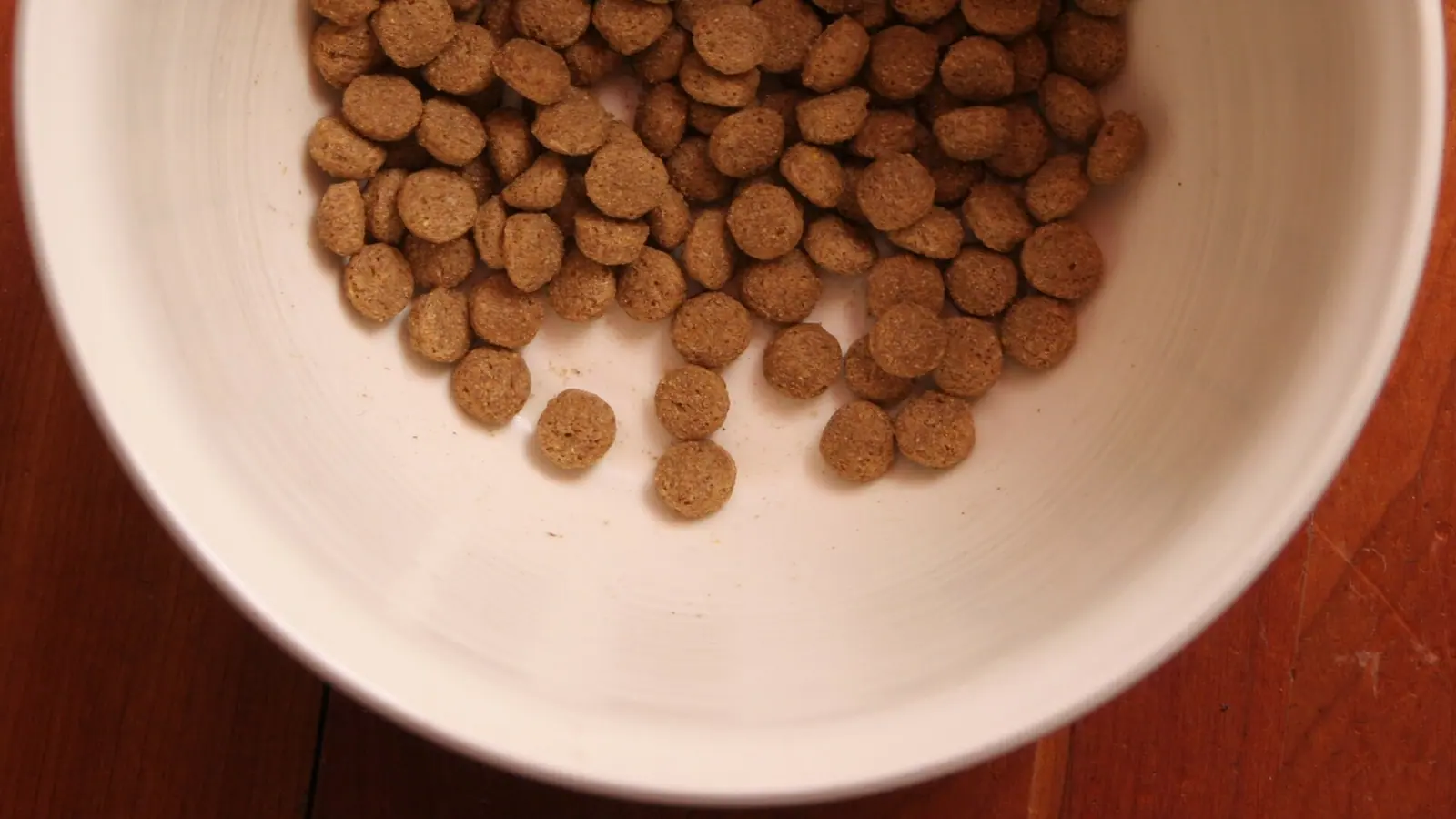

What is hypoallergenic dog food? Hypoallergenic dog food is a diet with hydrolyzed protein or a single protein the pet hasn’t eaten before, used in an elimination trial of about 8 weeks to diagnose food allergy, usually with a veterinarian.
This page is general information for pet owners. Itchy skin, ear infections and digestive problems in pets have many causes, including fleas, environmental allergies and infections. Please see your veterinarian before changing your pet’s diet.
Food allergy in dogs and cats is real, but it’s less common than pet food marketing suggests. Most itchy pets have flea allergy or environmental allergies (atopic dermatitis). Still, “hypoallergenic” is a fast-growing pet food label, so it helps to understand what’s behind it.
The main types of diet
| Diet type | How it works | Where it’s sold | Notes |
|---|---|---|---|
| Hydrolyzed protein | Protein broken into pieces too small for the immune system to recognize easily | Mostly veterinary prescription | A standard choice for elimination trials |
| Novel protein | Uses a protein the pet has never eaten (e.g., rabbit, kangaroo, venison) | Veterinary and over-the-counter | Only “novel” if your pet truly hasn’t eaten it before |
| Limited ingredient (OTC) | Fewer ingredients, one main protein | Over-the-counter | Studies have found some OTC diets contain proteins not listed on the label |
| “Grain-free” | No grains | Over-the-counter | Grains are not the most common food allergens in pets; the FDA has investigated a possible link between some grain-free diets and heart disease (DCM) in dogs |
What pets are usually allergic to
A 2016 review of published studies found the most commonly reported food allergens in dogs were beef, dairy, chicken and wheat, and in cats beef, fish and chicken. These are also the most commonly fed proteins, which partly explains why.
How food allergy is diagnosed
There is one reliable method: the elimination diet trial.
- Your vet chooses a hydrolyzed or truly novel protein diet.
- Your pet eats only that diet, plus water, for typically 8 weeks (sometimes longer). No treats, table scraps, flavored medications or chews unless approved.
- If symptoms improve, your vet may recommend a challenge: reintroducing the old food to see if symptoms return.
Blood, saliva and hair tests marketed for pet food allergy are not considered reliable for diagnosis by veterinary dermatologists.
Reading the label
AAFCO model regulations govern how pet foods name ingredients and make nutritional adequacy claims, which are worth checking (“complete and balanced” for your pet’s life stage). There’s no official AAFCO definition of “hypoallergenic” that we’ve found, so treat it as marketing unless the diet is a veterinary hydrolyzed or novel protein formula.
Related guides
For skin care during a diet trial, see hypoallergenic dog shampoo; for allergic owners, see how to reduce pet allergies. Cats get the same kind of diet trial; see hypoallergenic cat food. For treats that won’t spoil a trial, see hypoallergenic dog treats. For a closer look at hydrolyzed diets and limited ingredient foods, read hydrolyzed protein dog food.
More in Pets

Hypoallergenic Dog Breeds: What the Research Really Says
Are hypoallergenic dog breeds real? Studies measuring dog allergen in coats and homes tell another story. Poodles, doodles and what allergic owners can do.

How to Reduce Pet Allergies at Home: A Practical Plan
How to reduce pet allergies at home while keeping your dog or cat: bedroom rules, HEPA filtration, bathing, cleaning routines and medical options.

Hypoallergenic Cat Breeds: Siberian, Sphynx and Fel d 1
Are there hypoallergenic cat breeds? What science says about Siberian, Balinese and Sphynx cats, why males make more Fel d 1, and options for owners.

Hypoallergenic Dog Shampoo: How to Choose and Bathe Safely
Hypoallergenic dog shampoo usually means mild and fragrance-free. How to choose one, how often to bathe, why human shampoo isn't ideal, and cat cautions.
Sources & further reading
- U.S. Food and Drug Administration — Investigation into potential link between certain diets and canine dilated cardiomyopathy.
- BMC Veterinary Research — Mueller and colleagues, 2016: critically appraised topic on adverse food reactions of companion animals (2): common food allergen sources in dogs and cats. DOI: 10.1186/s12917-016-0633-8.
- BMC Veterinary Research — Olivry and colleagues, 2015: evidence review concluding that elimination diet trials should last at least 8 weeks to diagnose more than 90 percent of food reactions in dogs and cats. DOI: 10.1186/s12917-015-0541-3.
- BMC Veterinary Research — Mueller and Olivry, 2017: evidence review finding that blood, skin and other tests are unreliable for diagnosing food allergy in dogs and cats, leaving the elimination diet as the standard. DOI: 10.1186/s12917-017-1142-0.
- Journal of Small Animal Practice — Coyner and Schick, 2019: test of a commercial hair and saliva allergy kit that could not tell an allergic dog from a healthy one, or real fur from fake fur and water. DOI: 10.1111/jsap.12952.
- BMC Veterinary Research — Olivry and Mueller, 2018: evidence review showing that commercial pet foods, including some sold for elimination diets, often contain ingredients not listed on the label, in 33 to 83 percent of limited-ingredient diets. DOI: 10.1186/s12917-018-1346-y.
- BMC Veterinary Research — Ricci and colleagues, 2018: DNA microarray testing of 40 novel and hydrolyzed protein diets in which only 10 matched their label. DOI: 10.1186/s12917-018-1528-7.