Hypoallergenic Cat Food: Elimination Diets That Work
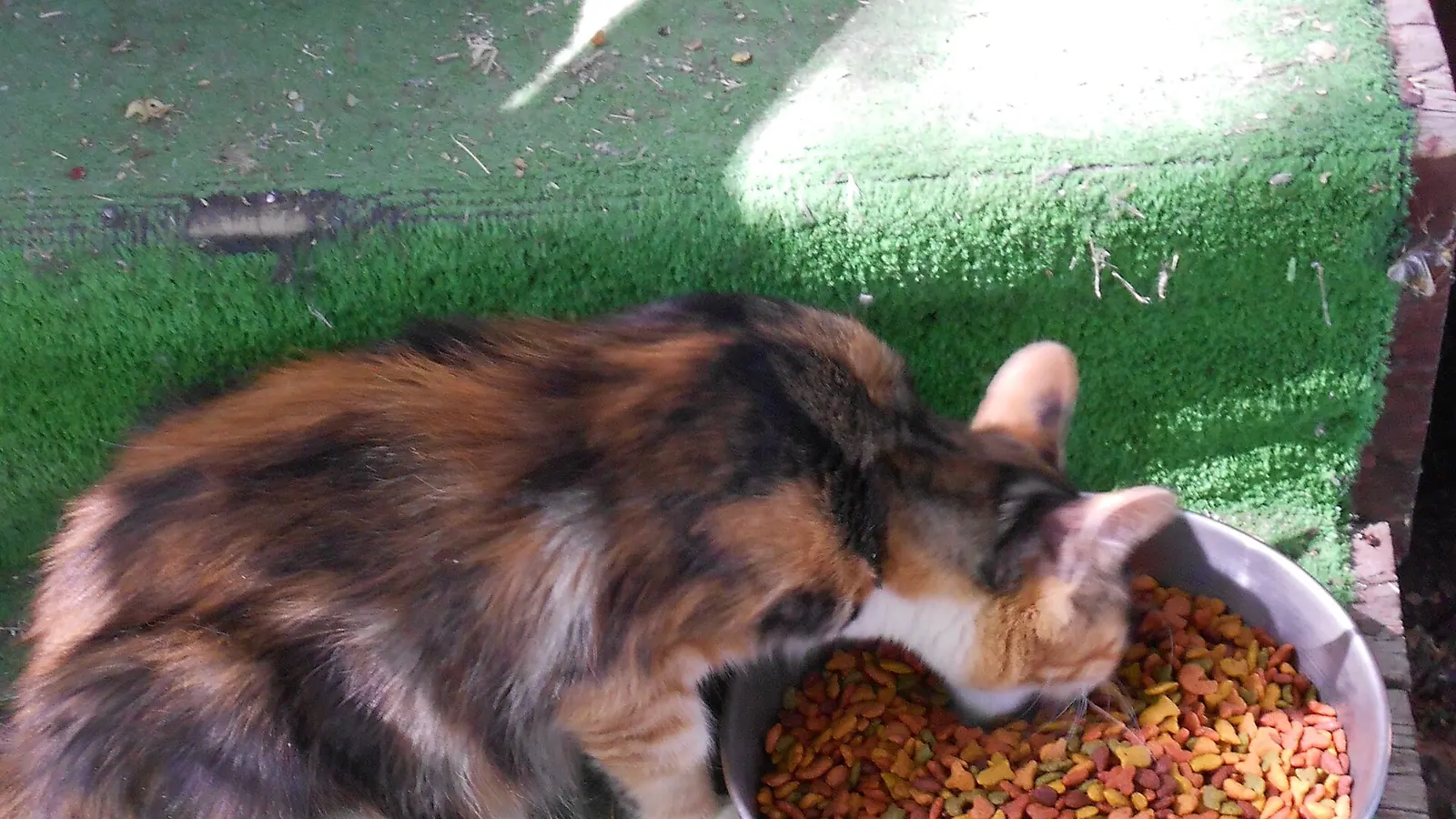

What is hypoallergenic cat food? Hypoallergenic cat food is a diet designed so that an allergic cat’s immune system doesn’t recognize the protein: either a hydrolyzed diet, with proteins broken into very small pieces, or a novel protein diet made from a protein the cat has never eaten. Vets use it to diagnose food allergy through an elimination trial of at least 8 weeks, and then to keep symptoms under control.
It does nothing for people who are allergic to cats. The cat allergen Fel d 1 comes mostly from saliva and skin, not from food. For that problem, see our guide on how to reduce pet allergies.
Signs of food allergy in cats
Food allergy in cats mostly shows up in the skin. Typical signs are intense itching of the head, face and neck, scabs and hair loss from scratching, overgrooming that leaves bald patches on the belly or legs, and sometimes vomiting or soft stools. The same signs can come from fleas, environmental allergies or infections, so a vet rules those out before starting a diet trial.
Which foods cats are most often allergic to
In a review of the published cases by Mueller and colleagues, the most common food allergens in cats were beef, fish and chicken. Those are also the proteins cats eat most often. Grains weren’t among the top triggers, so a “grain-free” label on its own says little about allergy.
Hydrolyzed vs novel protein diets
| Hydrolyzed protein diet | Novel protein diet | |
|---|---|---|
| How it works | Protein is broken into pieces too small for the immune system to recognize | Uses a protein the cat hasn’t eaten before, such as rabbit or venison |
| Best when | The cat’s diet history is long or unknown | You know exactly what the cat has eaten |
| Where to buy | Veterinary prescription | Veterinary prescription is safer than store brands |
Home-cooked novel protein diets are another option, but they’re often not nutritionally complete for long-term feeding. A veterinary nutritionist can design one that is.
How the elimination trial works
The diet only answers the question if nothing else gets in.
- Pick one diet with your vet and feed only that, with water. No treats, flavored medications, table scraps or hunting.
- Keep going for at least 8 weeks. An evidence review by Olivry and colleagues found that more than 80% of cats improved by 6 weeks, and more than 90% by 8 weeks.
- Challenge with the old food. If the cat improves, the old diet is reintroduced under the vet’s guidance. If the signs come back, food allergy is confirmed. Proteins can then be tested one at a time to find the culprit.
In multi-cat homes, feed the allergic cat separately or put all cats on the trial diet.
Why tests and store labels can mislead
There’s no shortcut test. A review by Mueller and Olivry found that blood tests for food antibodies in cats had low accuracy, so the elimination diet remains the standard. Hair and saliva kits sold online have even less support.
Labels are the other problem. Across 18 studies reviewed by Olivry and Mueller, between 33% and 83% of “novel” or limited-ingredient pet foods contained ingredients that weren’t listed. When Ricci and colleagues tested 40 novel and hydrolyzed protein diets for dogs and cats, only 10 matched their labels exactly.
The FDA says diets intended to treat or prevent disease should be available only through veterinarians or under their direction, because they’re made for specific health needs. That’s why vets usually start with a prescription diet rather than an over-the-counter “sensitive” food.
After the diagnosis
Once the trigger protein is known, many cats do well on a complete commercial food without it. Some stay on the veterinary diet for life. Our guide to hypoallergenic dog food covers the same approach in dogs, where the common triggers differ.
Litter can add dust and fragrance to the air around your cat; see hypoallergenic cat litter.
More in Pets

Hypoallergenic Dog Breeds: What the Research Really Says
Are hypoallergenic dog breeds real? Studies measuring dog allergen in coats and homes tell another story. Poodles, doodles and what allergic owners can do.

How to Reduce Pet Allergies at Home: A Practical Plan
How to reduce pet allergies at home while keeping your dog or cat: bedroom rules, HEPA filtration, bathing, cleaning routines and medical options.

Hypoallergenic Cat Breeds: Siberian, Sphynx and Fel d 1
Are there hypoallergenic cat breeds? What science says about Siberian, Balinese and Sphynx cats, why males make more Fel d 1, and options for owners.
Hypoallergenic Dog Food and Cat Food: Diets Explained
Hypoallergenic dog food and cat food: hydrolyzed, novel protein and limited ingredient diets, the elimination trial, and why allergy tests mislead.
Sources & further reading
- BMC Veterinary Research — Mueller and colleagues, 2016: evidence review identifying beef, fish and chicken as the most common food allergens in cats. DOI: 10.1186/s12917-016-0633-8.
- BMC Veterinary Research — Olivry and colleagues, 2015: evidence review concluding that elimination diet trials should last at least 8 weeks to diagnose more than 90% of food reactions in dogs and cats. DOI: 10.1186/s12917-015-0541-3.
- BMC Veterinary Research — Mueller and Olivry, 2017: evidence review finding that blood and other tests are unreliable for diagnosing food allergy in dogs and cats, leaving the elimination diet as the standard. DOI: 10.1186/s12917-017-1142-0.
- BMC Veterinary Research — Olivry and Mueller, 2018: evidence review showing that commercial pet foods often contain unlisted ingredients, in 33 to 83% of limited-ingredient diets. DOI: 10.1186/s12917-018-1346-y.
- BMC Veterinary Research — Ricci and colleagues, 2018: DNA testing of 40 novel and hydrolyzed protein diets for dogs and cats in which only 10 matched their label. DOI: 10.1186/s12917-018-1528-7.
- U.S. Food and Drug Administration — FDA's regulation of pet food, including why diets meant to treat disease should be used under a veterinarian's direction.