Hypoallergenic Cat Litter: Low-Dust, Unscented and Safer
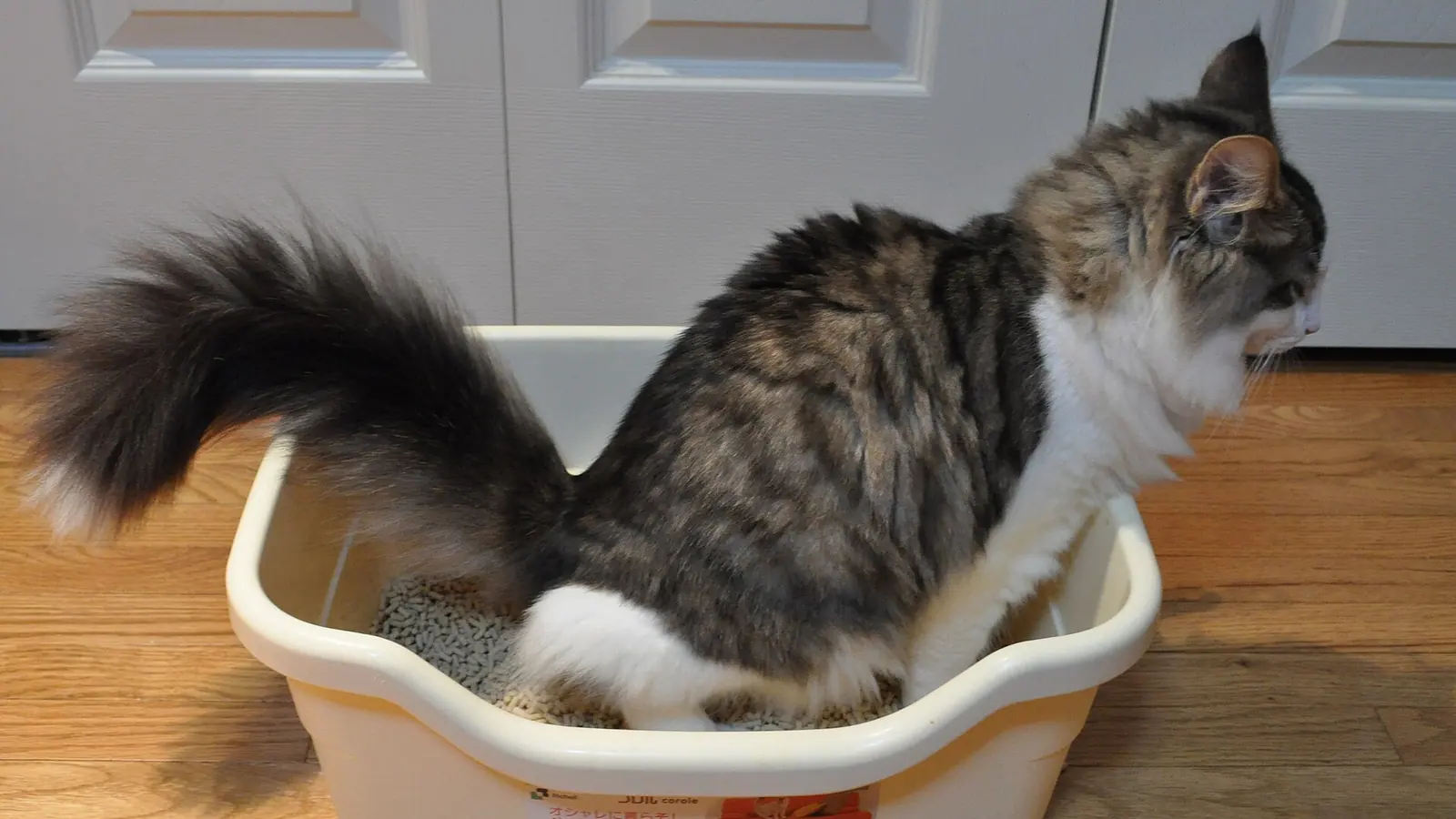

What is hypoallergenic cat litter? Hypoallergenic cat litter is litter designed to put less irritating material into the air: low-dust and unscented, often made from plant fibers or larger granules. It won’t cure cat allergy, because the main cat allergen comes from the cat itself, not the litter. But a low-dust, fragrance-free litter can mean fewer irritants for people with allergies or asthma, and for the cat.
What litter can and can’t do for cat allergy
Cat allergy is caused mainly by Fel d 1, a protein from the cat’s skin glands and saliva that coats its fur and floats on fine particles. In homes with a cat, Custovic and colleagues found Fel d 1 in living room carpets about 260 times higher than in cat-free homes, and airborne allergen in every cat home. In a national survey of 831 U.S. homes, Arbes and colleagues found cat allergen in 99.9% of homes, averaging 200 µg/g of dust where a cat lived indoors.
Litter doesn’t change those numbers. What it can change is the dust and fragrance released each time the box is used, scooped or refilled, which can aggravate sensitive airways on top of the allergy.
Dust: what the evidence shows
No study has measured litter dust in ordinary homes, so the evidence comes from heavy exposures:
- Among 17 factory workers who bagged an aluminium silicate cat litter, Musk and colleagues found 6 attributed breathing symptoms to the dust and 3 had chest X-ray changes consistent with lung scarring. That’s occupational, high-exposure evidence.
- Hubska and colleagues describe a woman who used silica-containing bentonite litter for nine cats over 18 years and developed a sarcoid-like lung disease, with silicon found in both her lung tissue and her litter. Her lungs nearly cleared after treatment and ending the exposure.
These are rare cases, but they’re a reasonable argument for low-dust litter and for pouring it gently.
Fragrance: skip scented litter
There’s no study of scented litter itself. In a national U.S. survey by Steinemann, 64.3% of adults with asthma reported health problems from fragranced products, and 41% from air fresheners or deodorizers. Unscented litter, without added deodorizer beads or sprays, avoids that. Our guide to fragrance allergy explains how fragrance shows up on labels.
How to choose a hypoallergenic cat litter
- Low-dust or “99% dust-free” claims, and larger granules or pellets, which kick up less fine dust.
- Unscented, with no added deodorizers.
- A material your cat accepts. Plant-based litters (paper, wood, corn, wheat or grass seed) are common low-dust options; change gradually so the cat keeps using the box.
- A covered box with a filter, or a top-entry box, placed away from bedrooms and air vents.
Litter box habits that help
- Scoop every day. The CDC advises daily changes because the Toxoplasma parasite in cat feces becomes infectious 1 to 5 days after it’s shed. Dubey and colleagues found it became infectious within 2 to 3 days in every type of commercial U.S. litter tested.
- Let someone without allergies do it where possible, or wear a mask and gloves and wash your hands afterward.
- Pour and scoop slowly to keep dust down, ideally in a ventilated area.
If you’re pregnant, ask your doctor about litter box precautions. Keep perspective, though: in a study of pregnant women in six European cities, Cook and colleagues found contact with cats wasn’t a risk factor for acute toxoplasmosis, while undercooked or cured meat caused 30% to 63% of infections.
For the allergy itself, read cat allergy symptoms and how to reduce pet allergies. If your cat has itchy skin, hypoallergenic cat food covers diet trials.
More in Pets

Hypoallergenic Dog Breeds: What the Research Really Says
Are hypoallergenic dog breeds real? Studies measuring dog allergen in coats and homes tell another story. Poodles, doodles and what allergic owners can do.
How to Reduce Pet Allergies at Home: A Practical Plan
How to reduce pet allergies at home while keeping your dog or cat: bedroom rules, HEPA filtration, bathing, cleaning routines and medical options.

Hypoallergenic Cat Breeds: Siberian, Sphynx and Fel d 1
Are there hypoallergenic cat breeds? What science says about Siberian, Balinese and Sphynx cats, why males make more Fel d 1, and options for owners.
Hypoallergenic Dog Food and Cat Food: Diets Explained
Hypoallergenic dog food and cat food: hydrolyzed, novel protein and limited ingredient diets, the elimination trial, and why allergy tests mislead.
Sources & further reading
- U.S. Centers for Disease Control and Prevention — CDC advises changing the cat litter box daily, because the Toxoplasma parasite does not become infectious until 1 to 5 days after a cat sheds it in its feces.
- Journal of Parasitology — Dubey and colleagues, 2011: toxoplasma oocysts became infectious (sporulated) within 2-3 days in every type of commercial US cat litter tested and occasionally stayed viable for 14 days. DOI: 10.1645/GE-2774.1.
- BMJ — Cook and colleagues, 2000: in this case-control study of pregnant women in six European cities, contact with cats was not a risk factor for acute toxoplasmosis. DOI: 10.1136/bmj.321.7254.142.
- Journal of Allergy and Clinical Immunology — Arbes and colleagues, 2004: in a nationally representative sample of 831 US homes, cat allergen Fel d 1 was found in 99.9% of homes even though a dog or cat had lived in only 49.1% of them. DOI: 10.1016/j.jaci.2004.04.036.
- Thorax — Custovic and colleagues, 1998: Fel d 1 in living room carpets was about 260 times higher in homes with a cat than without (237 vs 0.9 µg/g), and airborne allergen was found in all cat homes. DOI: 10.1136/thx.53.1.33.
- British Journal of Industrial Medicine — Musk and colleagues, 1980: of 17 factory workers who bagged an artificial aluminium silicate cat litter, 6 attributed respiratory symptoms to the dust and 3 had chest X-ray changes consistent with lung fibrosis. DOI: 10.1136/oem.37.4.367.
- International Journal of Environmental Research and Public Health — Hubska and colleagues, 2022: A single case report: a 44-year-old woman who used silica-containing bentonite litter for nine cats over 18 years developed sarcoid-like lung disease, with silicon found in both her lung biopsy and her litter. DOI: 10.3390/ijerph191912921.
- Air Quality, Atmosphere & Health — Steinemann, 2018: no study of scented cat litter specifically was found; this is general evidence on fragranced products. DOI: 10.1007/s11869-017-0536-2.