Baby Sunscreen: Safe Ages, Ingredients and Allergy Risks
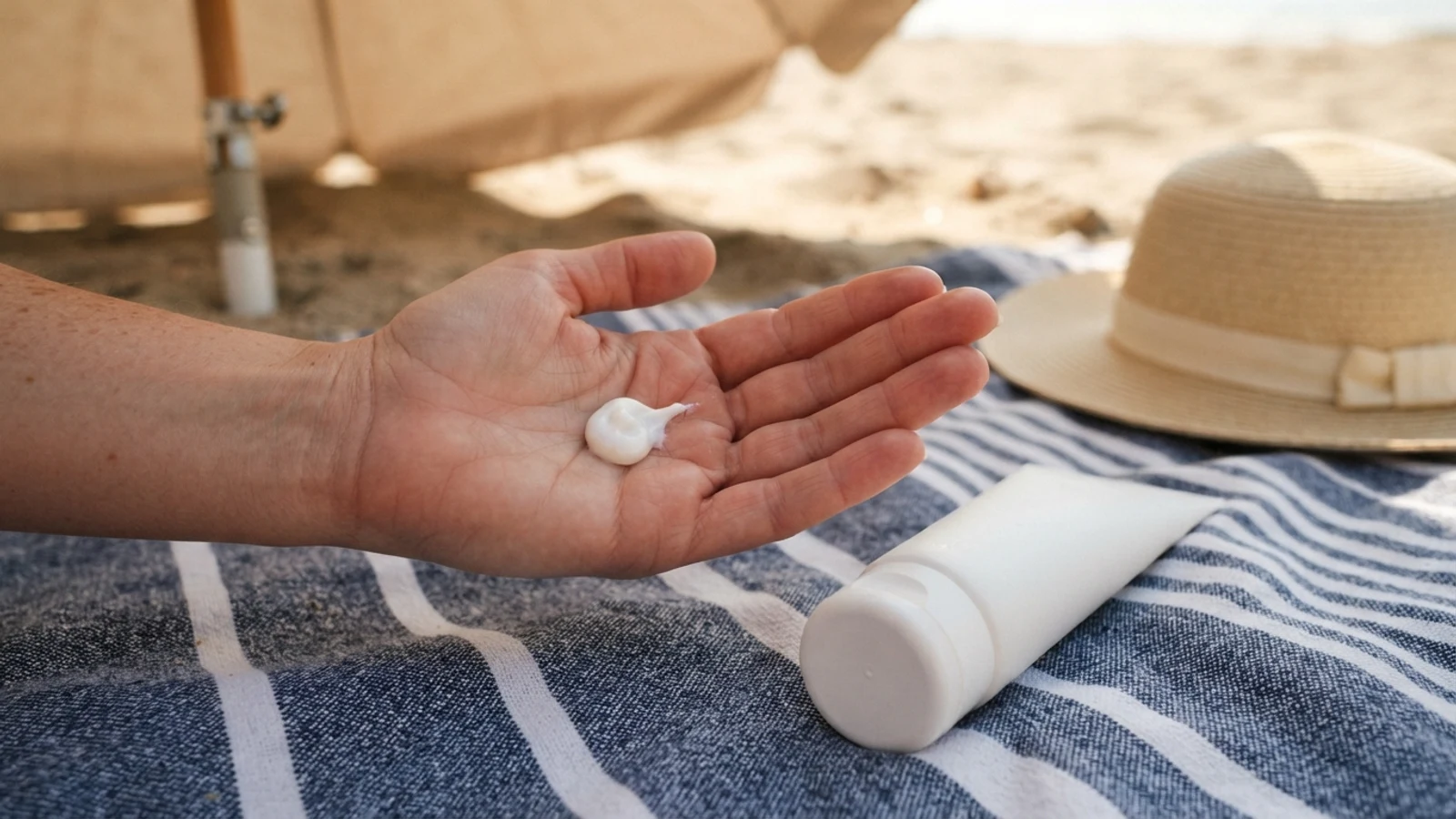
What is the best baby sunscreen? For babies 6 months and older, a good baby sunscreen is broad-spectrum (UVA and UVB), at least SPF 30, and free of the filters and fragrance that most often cause skin allergy. For babies under 6 months, the answer is usually no sunscreen at all: health agencies advise shade, a brimmed hat and light clothing instead, and asking a pediatrician before using any.
Newborn sunscreen: is it safe under 6 months?
Not usually. The FDA and the American Academy of Pediatrics recommend keeping babies younger than 6 months out of direct sunlight, because infants are at greater risk than adults of sunscreen side effects such as rash. The FDA’s sunscreen guidance says sunscreen isn’t recommended for babies under six months and that parents should ask a doctor before using it. The NHS gives the same advice in the UK.
Sunscreen for 3-month-old or 4-month-old babies
The same rule applies at 3 or 4 months: shade and clothing come first. If your baby can’t avoid the sun, ask your pediatrician before applying any sunscreen. The FDA advises avoiding the sun especially between 10 a.m. and 2 p.m.
Newborn sun protection without sunscreen
For young babies, protection means keeping the sun off the skin:
- Shade from a tree, umbrella or stroller canopy.
- A brimmed hat that shades the face, ears and neck.
- Lightweight long sleeves and pants that cover the arms and legs.
- Timing: skip outings in the strongest midday sun, roughly 10 a.m. to 2 p.m.
These are the measures the FDA and the American Academy of Pediatrics list for infants under 6 months.
Sunscreen for 6-month-old babies
From 6 months, sunscreen becomes part of the routine, used as directed on the Drug Facts label. The NHS advises:
| What to check | NHS advice from 6 months |
|---|---|
| SPF | At least 30 |
| Protection | Both UVA and UVB |
| Reapplying | Every 2 hours and after swimming |
| Product type | Products made for children are less likely to contain irritating additives |
Shade, hats and clothing still matter after 6 months; sunscreen adds to them rather than replacing them.
Infant sunscreen ingredients and allergy
Sunscreen filters fall into two groups: mineral filters (zinc oxide and titanium dioxide) and chemical, or organic, filters such as oxybenzone, avobenzone and octocrylene. The FDA lists both types among approved active ingredients.
For sensitive skin, the difference that matters most is allergy:
- A review of 36 UV filters by Heurung and colleagues found benzophenones, led by benzophenone-3 (oxybenzone), most often linked to allergic and photoallergic contact dermatitis, and noted that many reactions are caused by inactive ingredients rather than the filters.
- Ekstein and Hylwa found allergic reactions reported to chemical filters, mostly oxybenzone, but no reports of either type of reaction to zinc oxide or titanium dioxide.
- Among 157 children referred to a UK center for photopatch testing, Haylett and colleagues found 10.2% reacted to UV filters or their own sunscreens, most often benzophenone-3 and octyl methoxycinnamate. These were children referred for suspected sun sensitivity, not typical children.
- Octocrylene is a particular issue for children. In a French series, Avenel-Audran and colleagues found 10 of 11 children with octocrylene allergy had ordinary contact allergy from sunscreen, and advised choosing products free of octocrylene, benzophenone-3 and fragrance. de Groot and Roberts also note that plain contact allergy to octocrylene is seen mostly in children.
Does infant sunscreen get absorbed?
FDA trials in adults found that chemical filters reach the blood. In 24 adults using sunscreen heavily for 4 days, Matta and colleagues found four chemical filters above the FDA’s 0.5 ng/mL threshold, and a follow-up in 48 adults found all six chemical filters tested above it after a single application (Matta and colleagues). The authors stress this doesn’t mean the products are unsafe, only that more study is needed. These trials tested adults and chemical filters only, not babies or mineral filters.
The rules are still being settled. The FDA’s regulatory update explains that in September 2026 it finalized only the removal of PABA and trolamine salicylate. Labeling, dosage forms and maximum SPF are left for future orders, and its 2021 proposed order on which ingredients are generally recognized as safe and effective hasn’t been finalized.
Best sunscreen for newborn and infant skin: what to look for
There’s no single best infant sunscreen, but the evidence points to a short checklist for babies 6 months and older:
- Broad-spectrum, SPF 30 or higher, as the NHS advises.
- Mineral filters (zinc oxide or titanium dioxide) if your baby has sensitive skin or eczema, since no allergic reactions to them were found in the review above.
- No oxybenzone (benzophenone-3), octinoxate (octyl methoxycinnamate) or octocrylene, the filters most often reported in children’s sunscreen allergy.
- Fragrance-free, as Avenel-Audran and colleagues advise for children with sunscreen allergy; see fragrance-free vs unscented.
- Stop using a product that causes a rash, since rash is the side effect the FDA mentions for young skin.
For babies under 6 months, the best sunscreen for a newborn is usually none: use shade and clothing, and ask your pediatrician.
Related guides
For adults and older children, see hypoallergenic sunscreen. If your baby has eczema, read baby eczema cream and baby lotion.
More in Baby

Baby Laundry Detergent: Do You Need a Special One?
Do you need a baby laundry detergent? Babies don't need a special brand, but fragrance-free, dye-free washing helps their skin. Plus pod safety.
Baby Wipes and Skincare for Sensitive Skin: What to Use
Baby wipes, bath cleansers, moisturizers and diaper creams for dry or eczema-prone baby skin: what research says and which ingredients to avoid.
Hypoallergenic Formula: What the Label Terms Mean
Hypoallergenic formula labels decoded: extensively hydrolyzed, amino acid-based, partially hydrolyzed and gentle, and why switching is a doctor's call.

Hypoallergenic Crib Mattress and Bedding: Safe Sleep First
Hypoallergenic crib mattress and bedding: how to reduce dust and allergens in a crib within safe-sleep rules, and what you can wash, cover and change.
Sources & further reading
- U.S. Food and Drug Administration — 2026: FDA and the American Academy of Pediatrics advise keeping babies under 6 months out of direct sun, using shade, hats and light clothing, because infants are at greater risk of sunscreen side effects such as rash.
- U.S. Food and Drug Administration — 2026: sunscreen isn't recommended under six months without asking a doctor; actives include the mineral filters zinc oxide and titanium dioxide, and at least some actives are absorbed through skin.
- U.S. Food and Drug Administration — 2026: the 2021 deemed final order set the U.S. sunscreen monograph; in September 2026 FDA finalized only the removal of PABA and trolamine salicylate, with other questions left for future orders.
- NHS (National Health Service, England) — 2024: babies under 6 months should be kept out of direct sun; from 6 months use at least SPF 30 with UVA and UVB protection, reapplied every 2 hours and after swimming.
- JAMA — Matta and colleagues, 2019: in 24 adults using sunscreen for 4 days, four chemical filters exceeded FDA's 0.5 ng/mL blood threshold; the authors say this doesn't mean the products are unsafe. DOI: 10.1001/jama.2019.5586.
- JAMA — Matta and colleagues, 2020: in 48 adults, all six chemical filters tested exceeded 0.5 ng/mL in blood after one application; mineral filters weren't tested. DOI: 10.1001/jama.2019.20747.
- Dermatitis — Heurung and colleagues, 2014: review of 36 UV filters: benzophenones, led by oxybenzone, are most often linked to allergic and photoallergic reactions, and many reactions come from inactive ingredients. DOI: 10.1097/der.0000000000000079.
- Dermatitis — Ekstein and Hylwa, 2023: allergic and photoallergic reactions were reported to chemical UV filters, mostly oxybenzone, but none to zinc oxide or titanium dioxide. DOI: 10.1097/der.0000000000000963.
- British Journal of Dermatology — Haylett and colleagues, 2014: of 157 children referred for photopatch testing, 10.2% reacted to UV filters or their own sunscreens, most often benzophenone-3 and octyl methoxycinnamate. DOI: 10.1111/bjd.13003.
- Archives of Dermatology — Avenel-Audran and colleagues, 2010: 10 of 11 children with octocrylene allergy had ordinary contact allergy from sunscreen; the authors advise sunscreens free of octocrylene, benzophenone-3 and fragrance. DOI: 10.1001/archdermatol.2010.132.
- Contact Dermatitis — de Groot and Roberts, 2014: plain contact allergy to octocrylene is uncommon and seen mostly in children, from octocrylene-containing sunscreens. DOI: 10.1111/cod.12205.