How to Wash Pillows to Remove Dust Mites and Allergens
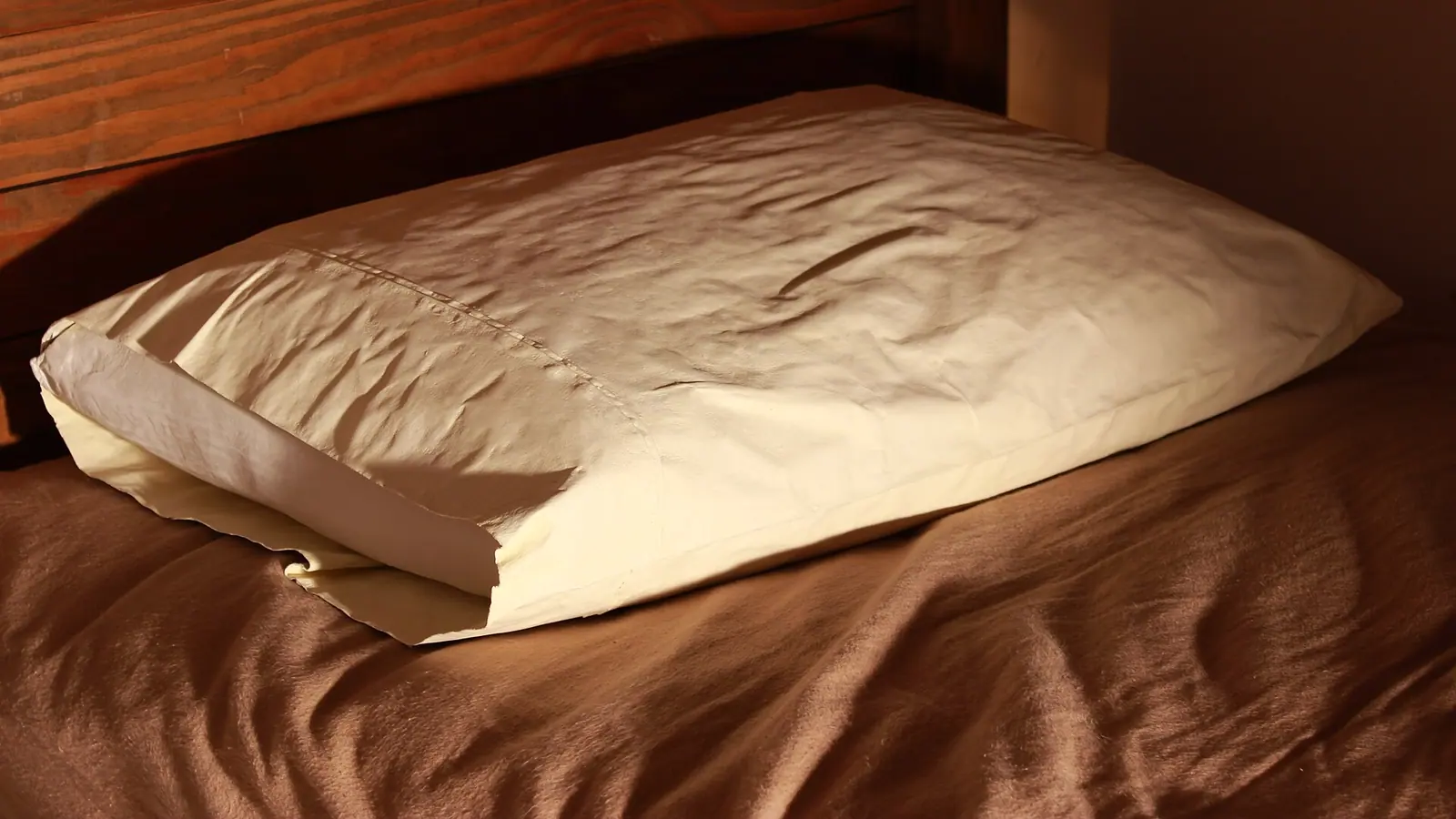

How to wash pillows to kill dust mites: if the care label allows machine washing, wash pillows in water at 130 °F to 140 °F (55 °C to 60 °C) with a regular detergent, rinse well, and dry them completely, right through to the center. That temperature kills dust mites; cooler water washes allergen out but leaves most mites alive. NIEHS and the EPA advise washing bedding weekly and putting a dust-proof cover on each pillow.
Why pillows matter for allergies. Dust mites live in pillows, mattresses and other bedding, and their bodies and droppings are a common trigger for allergies and asthma, according to the EPA and the National Institute of Environmental Health Sciences. Your face rests on a pillow for hours every night, so it’s one of the closest sources you have. Old pillows can also hold mold: Woodcock and colleagues cultured 10 used pillows and found between 4 and 16 fungal species in each.
Can you wash pillows in the washing machine? Step by step
- Check the care label. Many pillows can go in the machine; some foam and specialty pillows can’t. If yours can’t, rely on a washable allergen-proof cover instead.
- Use hot water: 130 °F to 140 °F (55 °C to 60 °C). McDonald and Tovey found water at 55 °C (131 °F) or hotter killed all dust mites, and adding laundry products didn’t make cooler water kill them. In Choi and colleagues’ tests, washes at 30 °C and 40 °C killed under 10% of mites, while 60 °C killed them all. NIEHS recommends 130 °F to 140 °F; the NHS says 60 °C or above.
- Add a normal detergent. Tovey and colleagues found detergent removed more mite and cat allergen than soap or plain water. The 11 detergents they tested performed about the same, and enzymes made no significant difference, so there’s no need for a special product. For sensitive skin, a hypoallergenic laundry detergent is a good fit.
- Wash heavily used pillows in their own load. Arlian and colleagues found live mites moved from infested items onto clean ones in the same wash.
- Rinse well. Extra rinsing helped remove allergen, especially after cooler washes, in Choi’s study.
- Dry completely. The EPA advises drying bedding completely. A pillow that’s still damp inside is an invitation to mold.
How to wash feather pillows
Most feather and down pillows can be machine washed if the label allows it. Wash two at a time to balance the drum, use a little detergent and an extra rinse, and dry them on low heat until no clumps or damp spots are left; it can take several cycles. Feathers that stay damp inside can grow mold, so drying is the step not to rush. Feather pillows have one advantage: their tightly woven casing seems to keep allergen out, as Custovic and colleagues suggested after finding far less cat and dog allergen in feather pillows than in synthetic ones.
If you can’t wash in hot water. Cold and warm washes still help. McDonald and Tovey found a cold wash removed over 90% of mite allergen even though most mites survived, and Arlian’s team found cold or warm machine washing removed 60% to 83% of live mites. Dry cleaning, on the other hand, killed mites but didn’t lower allergen.
Hypoallergenic down pillows or synthetic: which holds fewer allergens?
Official advice and the research don’t line up here. The NHS and NIEHS suggest synthetic bedding for people with dust mite allergy. But studies that measured pillows found the opposite:
- Rains and colleagues put new synthetic and feather pillows side by side on 12 beds for a year. The synthetic pillows ended up with about three times more mite allergen.
- Custovic and colleagues found synthetic pillows held 6.7 times more cat allergen and 8 times more dog allergen than feather pillows from the same beds. They suggest the tightly woven casing of feather pillows acts as a barrier.
- In a large study of teenagers, Strachan and Carey linked non-feather pillows to severe wheeze, though allergic families may already have switched away from feathers.
Whatever the fill, NIEHS and the EPA both advise putting an allergen-proof cover on the pillow, which addresses the problem these studies point to; our dust mite pillow cover guide explains what to look for. See hypoallergenic pillows for how fills compare, and how to get rid of dust mites in bed for the rest of the bed.
More in Bedding
Dust Mite Mattress Cover: What to Look For in Encasements
A dust mite mattress cover is the core of bedroom mite control. What pore size, zippers and breathability mean, and what studies say covers can do.
Hypoallergenic Pillows: What the Fill Really Changes
Hypoallergenic pillows usually just have a synthetic fill. What fill changes for dust mite and feather allergies, and the washing habits that matter.

How to Get Rid of Dust Mites in Bed: A Washing Checklist
How to get rid of dust mites in bed: the water temperature that kills them, how often to wash, and the bedroom changes that cut mite allergen.

Hypoallergenic Mattress: What Actually Lowers Dust Mites
Hypoallergenic mattress guide: why mattresses hold the most dust mite allergen, research on surface fabric, age and humidity, and what really helps.
Sources & further reading
- National Institute of Environmental Health Sciences — Dust mites live in mattresses and bedding; encase pillows and mattresses and wash bedding weekly in 130 to 140 °F water to kill mites.
- U.S. Environmental Protection Agency — Dust mites live in pillows and can trigger asthma; wash bedding in hot water weekly, dry it completely, and use dust-proof pillow and mattress covers.
- NHS — For house dust mite allergy, use synthetic bedding and covers and wash bedding regularly at 60 °C or above.
- Journal of Allergy and Clinical Immunology — McDonald and Tovey, 1992: water at 55 °C (131 °F) or hotter killed all dust mites; a cold wash left most mites alive but removed over 90% of allergen; dry cleaning killed mites but left allergen. DOI: 10.1016/0091-6749(92)90132-l.
- Journal of Allergy and Clinical Immunology — Tovey and colleagues, 2001: detergents removed more mite and cat allergen from bedding dust than soap or water; 11 detergents performed similarly and enzymes made no significant difference. DOI: 10.1067/mai.2001.117799.
- Journal of Allergy and Clinical Immunology — Arlian and colleagues, 2003: cold or warm machine washing removed 60% to 83% of live mites and 84% of mite allergen (98% with detergent plus bleach); live mites moved onto clean items in the same load. DOI: 10.1067/mai.2003.1547.
- Annals of Allergy, Asthma and Immunology — Choi and colleagues, 2008: washing at 30 °C and 40 °C killed under 10% of mites, while 60 °C and steam killed all; extra rinsing helped most after a 30 °C wash. DOI: 10.1016/s1081-1206(10)60060-9.
- Clinical and Experimental Allergy — Rains and colleagues, 1999: new synthetic pillows collected about three times more dust mite allergen than feather pillows on the same 12 beds over 12 months. DOI: 10.1046/j.1365-2222.1999.00470.x.
- Pediatric Allergy and Immunology — Custovic and colleagues, 2000: synthetic pillows held 6.7 times more cat allergen and 8 times more dog allergen than feather pillows; tightly woven feather pillow casings may act as a barrier. DOI: 10.1034/j.1399-3038.2000.00072.x.
- BMJ — Strachan and Carey, 1995: non-feather bedding, especially foam pillows, was linked to severe wheeze in adolescents (odds ratio 2.78), though allergic families may have switched bedding first. DOI: 10.1136/bmj.311.7012.1053.
- Allergy — Woodcock and colleagues, 2006: ten used pillows held 4 to 16 fungal species each, including Aspergillus fumigatus in all 10; synthetic pillows had more species than feather ones. DOI: 10.1111/j.1398-9995.2005.00941.x.