Cockroach Allergy: Symptoms and How to Get Rid of Roaches
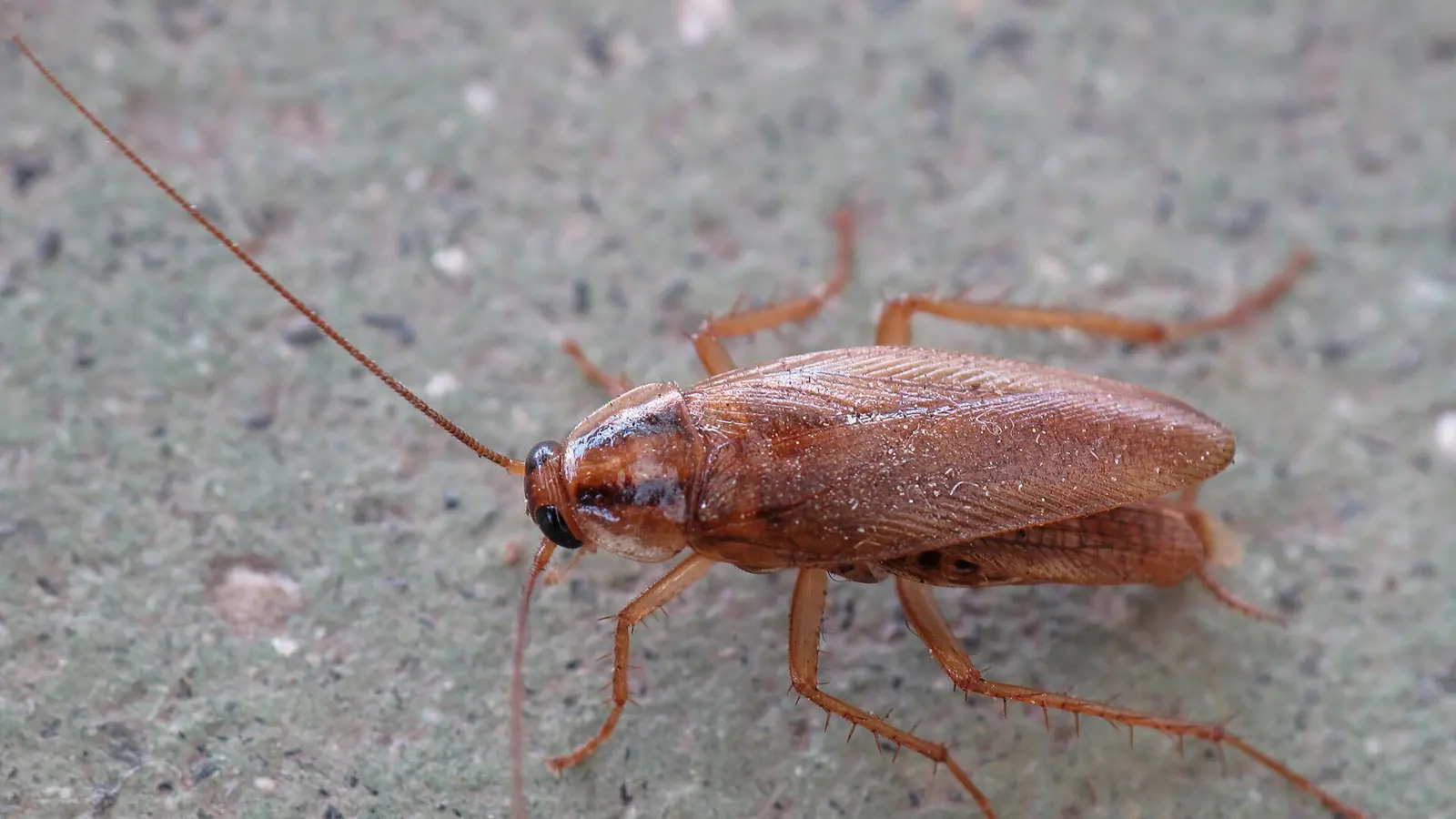

Is cockroach allergy real? Yes, and it matters most for asthma. Cockroach allergen collects in house dust, and the NIEHS notes that researchers have linked cockroaches to more severe asthma symptoms. Getting rid of the roaches, then the allergen they leave behind, is the treatment that starts at home.
Cockroach allergy symptoms
Breathing in an allergen causes allergic rhinitis, MedlinePlus explains: sneezing, a runny or stuffy nose, itchy eyes, nose and throat, and cough. For people with asthma, cockroach allergen is also an asthma trigger.
The asthma link is strong. In a landmark study of 476 inner-city children with asthma, Rosenstreich and colleagues found 36.8% were allergic to cockroach. Children who were both allergic and exposed to high allergen levels in their bedrooms had 0.37 hospital stays a year, compared with 0.11 for the other children, and more unscheduled medical visits. An allergist can confirm cockroach allergy with a skin or blood test; the NIEHS notes shots and tablets can change the immune response to indoor allergens over time.
How to get rid of cockroaches
The recommended approach is integrated pest management, which the EPA describes as monitoring and identifying pests, preventing them, and then controlling them with the least possible hazard to people.
- Find where they are. A community program for German cockroaches by Wang and Bennett used monthly sticky-trap monitoring to decide where to treat.
- Use bait. In a 12-month trial in the homes of 102 children with asthma, Rabito and colleagues found strategically placed insecticidal bait led to sustained cockroach elimination and better asthma outcomes. The NIEHS also recommends bait stations.
- Clean up the allergen. In a trial by Arbes and colleagues, education, bait and professional cleaning cut cockroach allergen by 96% on kitchen floors and 84% in beds within six months.
- Keep baiting. In the follow-up, the allergen reductions held with continued bait, and bait alone also lowered allergen in homes that hadn’t had the cleaning.
Keep baits and any pesticide away from children and pets, and follow the label. If a child or pet swallows bait or pesticide, call Poison Help at 1-800-222-1222 right away, or 911 if they have trouble breathing, collapse or have a seizure.
How to get rid of German roaches
The German cockroach lives only in human buildings and is hard to wipe out, because insecticide resistance has been a problem since the 1950s. In field studies, Fardisi and colleagues found a single insecticide could eliminate German cockroaches when resistance to it was low, rotating products with little or no resistance also worked, and products mixing two insecticides (thiamethoxam and lambda-cyhalothrin) failed everywhere and drove roaches away instead of killing them. If baits stop working after a few weeks, switching to a bait with a different active ingredient, ideally from a different chemical class, makes more sense than spraying more.
How to get rid of roaches fast
Skip the bug bomb. In 20 infested homes tested by DeVries and colleagues, total release foggers didn’t reduce cockroach numbers, and they left pesticide residues on kitchen surfaces a median of 85 times higher than before. Gel baits, at a similar price, caused significant declines. There’s no overnight fix: place gel bait in cracks and corners where roaches hide, keep food and crumbs away so they eat the bait, and expect numbers to drop over the following weeks. Fewer roaches also means less of the allergen that triggers symptoms.
How to get rid of roaches in apartment buildings
Wang and Bennett’s program covered whole low-income apartment complexes, with resident education, monitoring and treatment by trained staff. If you rent, tell your landlord or building manager and ask about a building-wide plan. The NIEHS notes cockroaches are most common in urban areas and older buildings.
How to prevent cockroaches
These steps follow the NIEHS:
- keep food and garbage in closed, tight-lidded containers;
- don’t leave food, dirty dishes or pet food out on counters or floors;
- mop the kitchen floor and wash counters at least once a week;
- fix leaky faucets and drain pipes;
- fill cracks and crevices where roaches get in;
- keep food out of bedrooms.
A national survey by Salo and colleagues found cockroaches were one of the predictors of homes with a high load of indoor allergens, so roach control helps with dust allergy too. Vacuum with a HEPA vacuum; see best vacuum for allergies. For cleaning the kitchen without harsh fumes, see hypoallergenic cleaning products.
More in Home
Air Purifier for Allergies: HEPA, CADR and What to Avoid
How to choose an air purifier for allergies to dander, pollen and dust: what true HEPA means, sizing with CADR, avoiding ozone and what it can't do.
Best Vacuum for Allergies: Sealed HEPA Systems Explained
What makes the best vacuum for allergies: sealed HEPA systems, bagged vs bagless for dust mite and pet allergies, and how to vacuum without dust.
How to Reduce Allergens in Home: Free Room-by-Room Guide
How to reduce allergens in home, room by room: the bedroom, dust, dust mites, mold, pets and cleaning products, with a free printable checklist PDF.
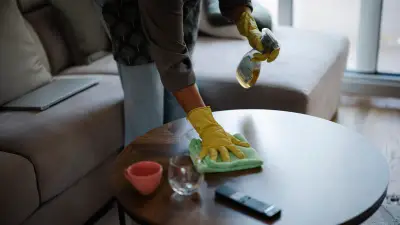
Hypoallergenic Cleaning Products: What the Labels Mean
How to choose hypoallergenic cleaning products when fragrance or harsh chemicals bother your skin: EPA Safer Choice, gloves and mixes to avoid.
Sources & further reading
- New England Journal of Medicine — Rosenstreich and colleagues, 1997: 476 inner-city children with asthma: 36.8% were allergic to cockroach; children both allergic and exposed to high cockroach allergen levels had 0.37 hospitalizations a year versus 0.11 for others, and more unscheduled medical visits. DOI: 10.1056/nejm199705083361904.
- Journal of Allergy and Clinical Immunology — Rabito and colleagues, 2017: 12-month randomized trial in homes of 102 children with moderate to severe asthma: strategically placed insecticidal bait led to sustained cockroach elimination and improved asthma outcomes. DOI: 10.1016/j.jaci.2016.10.019.
- Journal of Allergy and Clinical Immunology — Arbes and colleagues, 2003: randomized trial in low-income urban homes: occupant education, insecticide bait and professional cleaning cut Bla g 1 cockroach allergen by 96% on kitchen floors and 84% in beds over 6 months. DOI: 10.1067/mai.2003.1597.
- Journal of Allergy and Clinical Immunology — Arbes and colleagues, 2004: 12-month continuation: allergen reductions were maintained with continued insecticide bait, and bait alone also lowered allergen levels in former control homes. DOI: 10.1016/j.jaci.2003.10.042.
- Journal of Economic Entomology — Wang and Bennett, 2009: community-wide integrated pest management for German cockroaches in low-income apartments: resident education, monthly monitoring with sticky traps, and gel bait or boric acid dust based on monitoring. DOI: 10.1603/029.102.0428.
- National Institute of Environmental Health Sciences (NIH) — Dust mites and cockroaches: cockroaches are linked to more severe asthma symptoms and are most frequent in urban areas and older dwellings; keep food and garbage in closed containers, don't leave food or pet food out, mop and wash counters weekly, fix leaks, fill crevices, use bait stations.
- U.S. Environmental Protection Agency — Integrated Pest Management principles: set action thresholds, monitor and identify pests, prevent them, then control them with the least possible hazard to people.
- Journal of Allergy and Clinical Immunology — Salo and colleagues, 2008: national survey of 831 US homes: the presence of cockroaches was one of the independent predictors of a high indoor allergen burden. DOI: 10.1016/j.jaci.2007.12.1164.
- MedlinePlus (U.S. National Library of Medicine) — Allergic rhinitis: breathing in an allergen causes sneezing, runny or stuffy nose, itchy eyes, nose and throat, cough and fatigue; skin or blood tests confirm allergies.
- Scientific Reports — Fardisi and colleagues, 2019: field studies of German cockroach resistance management: a single active ingredient can eliminate cockroaches when starting resistance is low; rotations work with low-resistance insecticides; thiamethoxam + lambda-cyhalothrin mixtures were universally ineffective and highly repellent; cross-resistance is a challenge. DOI: 10.1038/s41598-019-44296-y.
- BMC Public Health — DeVries and colleagues, 2019: 20 cockroach-infested homes: total release foggers (bug bombs) failed to reduce German cockroach populations and raised pesticide residues on kitchen surfaces (median 85-fold); similarly priced gel baits caused significant declines in 10 homes. DOI: 10.1186/s12889-018-6371-z.