How to Reduce Allergens in Home: Free Room-by-Room Guide

How to reduce allergens in home: start in the bedroom, keep humidity at or below 50%, wash bedding hot every week, damp-dust and vacuum with a HEPA filter, fix moisture before it turns into mold, and keep pets out of the bedroom. Single steps rarely help on their own; together they cut exposure. Below is each room in turn, plus a free printable checklist.
Free guide: The Low-Allergen Home: room-by-room guide and checklist
The whole guide and the checklist below as a printable PDF. No email needed, no sign-up.
Open the free PDF (88 KB)How to remove allergens from home: start with the source
Most homes have more than one allergen. In a national survey of 831 US homes, over half had at least six detectable indoor allergens, and pets, cockroaches, mice and damp or mold problems predicted the highest levels.
That’s why single fixes disappoint. A Cochrane review of 54 trials found that dust mite control measures, including mattress covers, didn’t improve asthma. US allergy organizations recommend a combination of measures aimed at what you’re actually allergic to. If you don’t know yet, our allergy trigger finder explains the tests that tell you.
Order of work: remove or reduce the source, control humidity, clean in a way that doesn’t throw dust back into the air, and only then consider an air cleaner.
Allergy proof bedroom
You spend hours in bed every night, with your face on the pillow. If you can only do one room, do this one.
- Encase the mattress and pillows in covers that block dust mite allergen. On their own they don’t do much; with the other steps they help. Our dust mite mattress cover guide explains pore size.
- Wash sheets, pillowcases and blankets every week in hot water, 130 to 140 °F, as the NIEHS recommends. In a lab study, water at 55 °C (131 °F) or hotter killed all mites; a cold wash removed allergen but not live mites. See how often you should wash your sheets.
- Keep pets out of the bedroom and off the bed.
- Cut down what collects dust: piles of clothes, open shelves of books, stuffed toys and heavy drapes. Washable curtains and a smooth floor are easier to keep clean.
How to get rid of dust mites in house
Dust mites need humid air. Keeping indoor humidity at or below 50% has good evidence in real homes: in homes held below 51% for 17 months, mostly with a dehumidifier and air conditioning, live mites fell from about 401 to 8 per gram of dust. A cheap hygrometer tells you where you stand; our humidifier vs dehumidifier guide covers which one you need.
Upholstered furniture, carpets and rugs hold mites too. Washable throws on the sofa and rugs you can wash hot are easier than wall-to-wall carpet. For the bed itself, see how to get rid of dust mites in bed.
How to prevent dust in house
House dust is partly shed skin and fibers and partly soil tracked in on shoes and particles from outdoor air. A few habits limit what comes in and what gets stirred up:
- Shoes off at the door and a washable mat outside and inside.
- Damp-dust and damp-mop. A dry duster or broom puts particles back in the air.
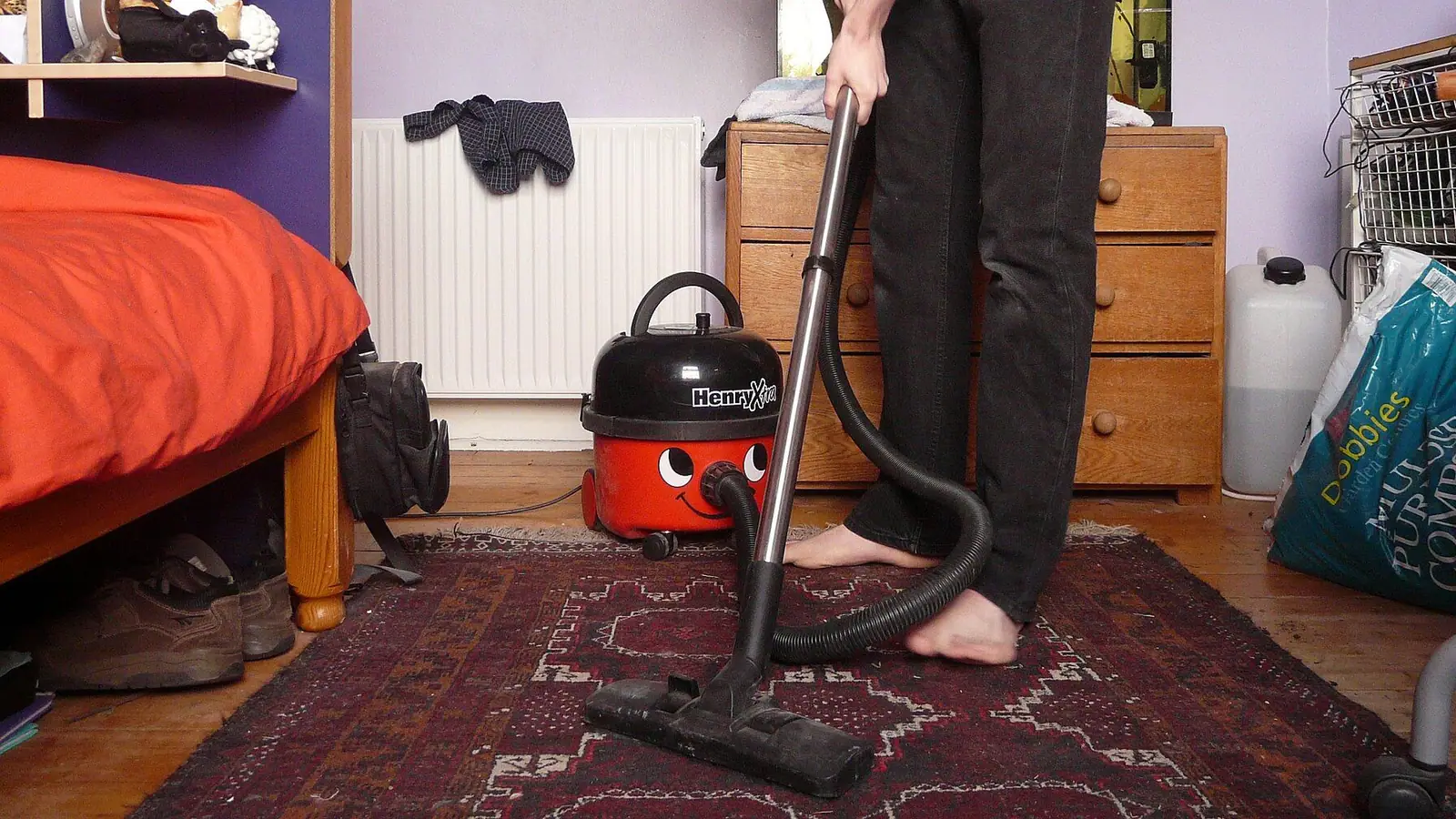
- Vacuum with a HEPA filter or a double-layer bag, and wear a mask if you’re the allergic one. Emptying the bag or dust container raises mite and cat allergen exposure more than the vacuuming does, so empty it outdoors, or let someone else do it. Our best vacuum for allergies guide compares the options.
- Change HVAC filters on schedule.
For symptoms and treatment, read the dust allergy guide.
How to get rid of allergens in house: kitchen and bathroom
These rooms are about moisture, pests and products.
- Fix leaks and dry wet materials within 24 to 48 hours, run the exhaust fan while cooking and showering, and keep humidity below 60%, ideally 30 to 50%, as the EPA advises. Large or recurring mold needs the source fixed first; see how to get rid of black mold and mold allergy.
- Keep food sealed and crumbs and garbage off counters to avoid feeding cockroaches and mice, two of the allergens in the national survey. Our cockroach allergy guide has the details.
- Choose fragrance-free cleaners and wear gloves that don’t contain the rubber chemicals you react to. Never mix bleach with ammonia: the gases can cause severe lung injury. See hypoallergenic cleaning products.
Allergy proof home with pets
Pet allergen sticks to furniture, walls and clothes and spreads through the home. Washing a dog cut the allergen on its coat by about 84%, but it came back within days, so the study found it took washing at least twice a week to keep levels down. Keep pets out of the bedroom, wash their bedding and your throws often, and run a HEPA air cleaner in the rooms they use. The EPA’s guide to air cleaners says filtration doesn’t replace removing the source and ventilating, and that studies of air cleaners for allergy symptoms don’t always show major improvements, so cleaning still matters. More in how to reduce pet allergies.
Allergen checklist: room by room
Print this list or download the free PDF above and tick it off.
Bedroom
- Mattress and pillow encasings on
- Bedding washed hot (130 to 140 °F) this week
- Pets kept out of the room
- Clutter, stuffed toys and heavy drapes cut down
Whole home
- Humidity at or below 50% (hygrometer checked)
- Shoes off at the door; mats washed
- Damp-dusting and damp-mopping done weekly
- Vacuum with HEPA filter or double bag; bag or container emptied outdoors
- HVAC filter changed on schedule
Kitchen and bathroom
- No leaks; wet spots dried within 24 to 48 hours
- Exhaust fans used while cooking and showering
- Food sealed; crumbs and garbage cleared
- Fragrance-free cleaners; bleach never mixed with ammonia
Pets
- Pet bedding and throws washed weekly
- HEPA air cleaner in the rooms pets use
More in Home
Air Purifier for Allergies: HEPA, CADR and What to Avoid
How to choose an air purifier for allergies to dander, pollen and dust: what true HEPA means, sizing with CADR, avoiding ozone and what it can't do.
Best Vacuum for Allergies: Sealed HEPA Systems Explained
What makes the best vacuum for allergies: sealed HEPA systems, bagged vs bagless for dust mite and pet allergies, and how to vacuum without dust.
Hypoallergenic Cleaning Products: What the Labels Mean
How to choose hypoallergenic cleaning products when fragrance or harsh chemicals bother your skin: EPA Safer Choice, gloves and mixes to avoid.
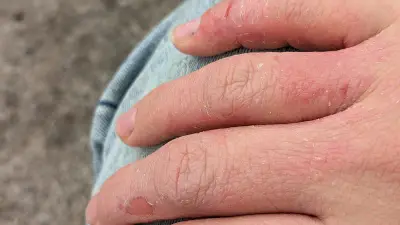
Hypoallergenic Dish Soap: Protecting Hands From Dishwashing
Hypoallergenic dish soap: why dishwashing irritates hands, the allergens in dish liquids, undeclared preservatives, gloves, and gentler choices.
Sources & further reading
- Journal of Allergy and Clinical Immunology — Salo and colleagues, 2008: national survey of 831 US homes: 51.5% had at least 6 detectable allergens; pets, cockroaches, rodents and mold or moisture problems predicted a high allergen burden. DOI: 10.1016/j.jaci.2007.12.1164.
- Annals of Allergy, Asthma & Immunology — Portnoy and colleagues, 2013: practice parameter from US allergy organizations on assessing dust mite exposure and combining control measures in the home. DOI: 10.1016/j.anai.2013.09.018.
- Cochrane Database of Systematic Reviews — Gøtzsche and Johansen, 2008: systematic review of 54 randomized trials of chemical and physical dust mite control measures, including mattress covers, that found no improvement in asthma. DOI: 10.1002/14651858.cd001187.pub3.
- National Institute of Environmental Health Sciences (NIH) — Dust mites and cockroaches: keep humidity at or below 50%; encase mattresses and pillows; wash bedding weekly at 130 to 140 °F; damp-mop; use a double-layered microfilter bag or HEPA filter; wear a mask while vacuuming and stay out of the room for 20 minutes.
- Journal of Allergy and Clinical Immunology — McDonald and Tovey, 1992: laboratory study showing that wash water at 55 °C or hotter kills all dust mites, while a cold wash removes most allergen but not live mites. DOI: 10.1016/0091-6749(92)90132-l.
- Journal of Allergy and Clinical Immunology — Arlian and colleagues, 2001: in homes kept below 51% relative humidity for 17 months, live mites fell from about 401 to 8 per gram of dust and mite allergen from 17 to 4 micrograms per gram. DOI: 10.1067/mai.2001.112119.
- Environmental Science & Technology — Layton and Beamer, 2009: model of house dust formation: shed skin cells and fibers, soil tracked in on footwear and particles from outdoor air. DOI: 10.1021/es9003735.
- Allergy — Gore and colleagues, 2006: nasal air sampling showing that vacuuming raises personal mite allergen exposure only slightly, while emptying the dust container raises mite and cat allergen exposure. DOI: 10.1111/j.1398-9995.2005.00946.x.
- U.S. Environmental Protection Agency — A brief guide to mold, moisture and your home: fix leaks, dry wet materials within 24 to 48 hours, keep indoor humidity below 60% (ideally 30 to 50%).
- Journal of Allergy and Clinical Immunology — Hodson and colleagues, 1999: washing a dog cut allergen on its hair by about 84 percent, but levels returned within days, so washing had to be at least twice a week. DOI: 10.1016/s0091-6749(99)70227-7.
- U.S. Environmental Protection Agency — Guide to air cleaners in the home: reducing or removing pollutant sources and ventilating are the most effective steps; filtration doesn't replace them, and studies of air cleaners for allergy symptoms don't always show major improvements.
- Chest — Reisz and Gammon, 1986: three cases of life-threatening lung injury from mixing household ammonia and bleach, which forms chloramine gases. DOI: 10.1378/chest.89.1.49.