Humidifier vs Dehumidifier for Allergies: Which to Choose
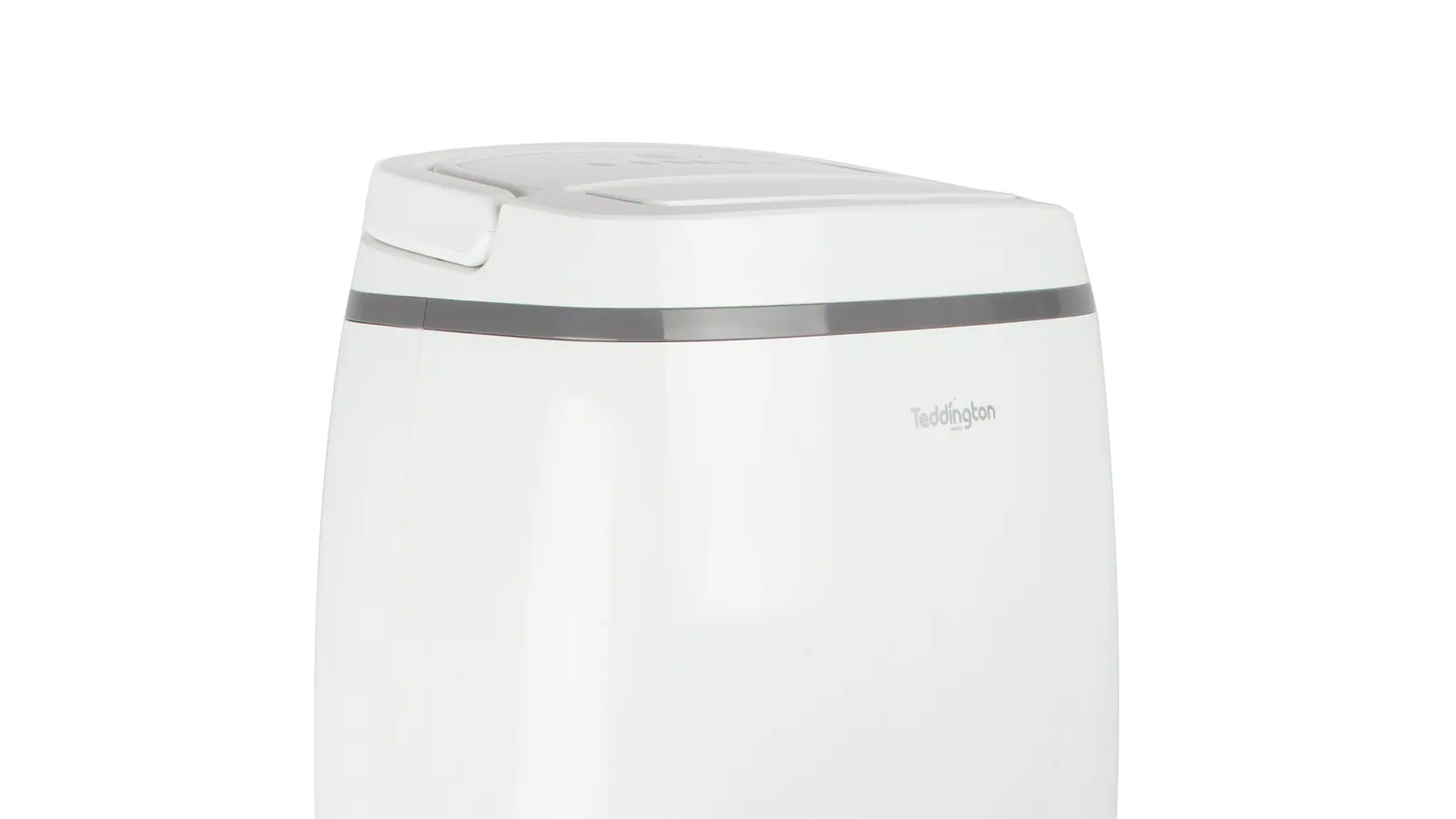

Humidifier vs dehumidifier: which is better for allergies? For most allergy problems, a dehumidifier. Dust mites and mold both thrive in damp air, and the EPA advises keeping indoor humidity below 60%, ideally between 30 and 50%. A humidifier only makes sense when the air is genuinely dry, and it needs strict cleaning.
Difference between humidifier and dehumidifier
A humidifier puts water vapor into the air. A dehumidifier takes water out of the air. Which one you need depends on your reading, not your symptoms, so start with a hygrometer, a cheap humidity gauge the EPA suggests for exactly this.
| Humidifier | Dehumidifier | |
|---|---|---|
| What it does | Adds moisture | Removes moisture |
| Use when | Air is dry, often in heated winter rooms | Humidity stays above 50% |
| Allergy upside | May ease dry eyes and airways | Fewer dust mites, less mold |
| Allergy downside | Too much moisture feeds mites and mold; tanks can spread microbes | Only helps if it actually brings humidity down |
Ideal humidity for home
The EPA’s target is below 60%, ideally 30 to 50%, and its humidifier guidance says not to go above 50%. The research behind the 50% line is mostly about mites: a review by Arundel and colleagues found mite populations are smallest below 50% and that most fungi can’t grow below 60%. The same review found fewer respiratory infections at mid-range humidity than at very low or very high levels, so drier isn’t always better either.
Ideal basement humidity is the same 30 to 50%, but basements are where you’re most likely to need help reaching it. Water on windows, walls or pipes is a sign of high humidity, the EPA notes; dry it quickly and deal with the source.
Dehumidifier for dust mites
Dust mites depend on humid air. Arlian and colleagues showed that humidity is the key factor in mite survival, and that brief humid spells of a few hours a day allowed only small populations when the rest of the day stayed dry.
The home study is the striking one. Over two humid summers, Arlian’s team followed homes that kept humidity below 51%, mostly with a high-efficiency dehumidifier and air conditioning. Live mites fell from about 401 to 8 per gram of dust, and mite allergen from 17 to 4 micrograms per gram. That’s why the NIEHS lists a dehumidifier or air conditioner to keep humidity at or below 50% among its dust mite measures. Pair it with the bedroom steps in our dust mite allergy guide.
A dehumidifier for allergies also helps with mold, since mold needs moisture. See how to get rid of black mold if you already see it.
Does a humidifier help with allergies?
Sometimes, in dry air. A review by Wolkoff found that raising very low indoor humidity may improve how fresh the air feels and ease eye symptoms, and that humidified air reduced nasal symptoms in people with obstructive sleep apnea. But a humidifier doesn’t treat the allergy itself, and over-humidifying feeds the mites and mold you may be allergic to.
The machine can also be the problem. The EPA says ultrasonic and impeller (“cool mist”) humidifiers can disperse microorganisms and minerals from their tanks into the air. If you use one:
- empty, wipe dry and refill a portable tank daily;
- clean it every third day;
- use low-mineral water, such as distilled water;
- stop at 50% humidity, and move it or turn it down if windows fog up.
For pollen, dander and dust in the air, an air purifier for allergies does a different job from either machine.
More in Home
Air Purifier for Allergies: HEPA, CADR and What to Avoid
How to choose an air purifier for allergies to dander, pollen and dust: what true HEPA means, sizing with CADR, avoiding ozone and what it can't do.
Best Vacuum for Allergies: Sealed HEPA Systems Explained
What makes the best vacuum for allergies: sealed HEPA systems, bagged vs bagless for dust mite and pet allergies, and how to vacuum without dust.
How to Reduce Allergens in Home: Free Room-by-Room Guide
How to reduce allergens in home, room by room: the bedroom, dust, dust mites, mold, pets and cleaning products, with a free printable checklist PDF.
Hypoallergenic Cleaning Products: What the Labels Mean
How to choose hypoallergenic cleaning products when fragrance or harsh chemicals bother your skin: EPA Safer Choice, gloves and mixes to avoid.
Sources & further reading
- U.S. Environmental Protection Agency — Use and Care of Home Humidifiers: don't humidify above 50% relative humidity; ultrasonic and impeller humidifiers can disperse microorganisms and minerals; empty and refill portable tanks daily, clean every third day, use low-mineral water; hygrometers measure humidity.
- U.S. Environmental Protection Agency — A Brief Guide to Mold, Moisture and Your Home: keep indoor humidity below 60%, ideally 30 to 50%; condensation can be a sign of high humidity.
- Journal of Allergy and Clinical Immunology — Arlian and colleagues, 2001: in homes that kept relative humidity below 51% for 17 months, mostly with a dehumidifier and air conditioning, live mites fell from about 401 to 8 per gram of dust and Der 1 allergen from 17 to 4 micrograms per gram. DOI: 10.1067/mai.2001.112119.
- Journal of Allergy and Clinical Immunology — Arlian and colleagues, 1999: relative humidity is the key factor for dust mite survival; brief daily periods of humid air allowed only small mite populations when the rest of the day was dry. DOI: 10.1016/s0091-6749(99)70298-8.
- Environmental Health Perspectives — Arundel and colleagues, 1986: review: mite populations are minimized below 50% relative humidity, most fungi can't grow below 60%, and mid-range humidity was linked with fewer respiratory infections than very low or high humidity. DOI: 10.1289/ehp.8665351.
- International Journal of Hygiene and Environmental Health — Wolkoff, 2018: review: raising very low indoor humidity may improve perceived air quality and eye symptoms; humidified air reduced nasal symptoms in people with obstructive sleep apnea. DOI: 10.1016/j.ijheh.2018.01.015.
- National Institute of Environmental Health Sciences (NIH) — Dust mites and cockroaches: use a dehumidifier or air conditioner to keep humidity at or below 50%.