How to Get Rid of Black Mold: Walls, Showers and Health
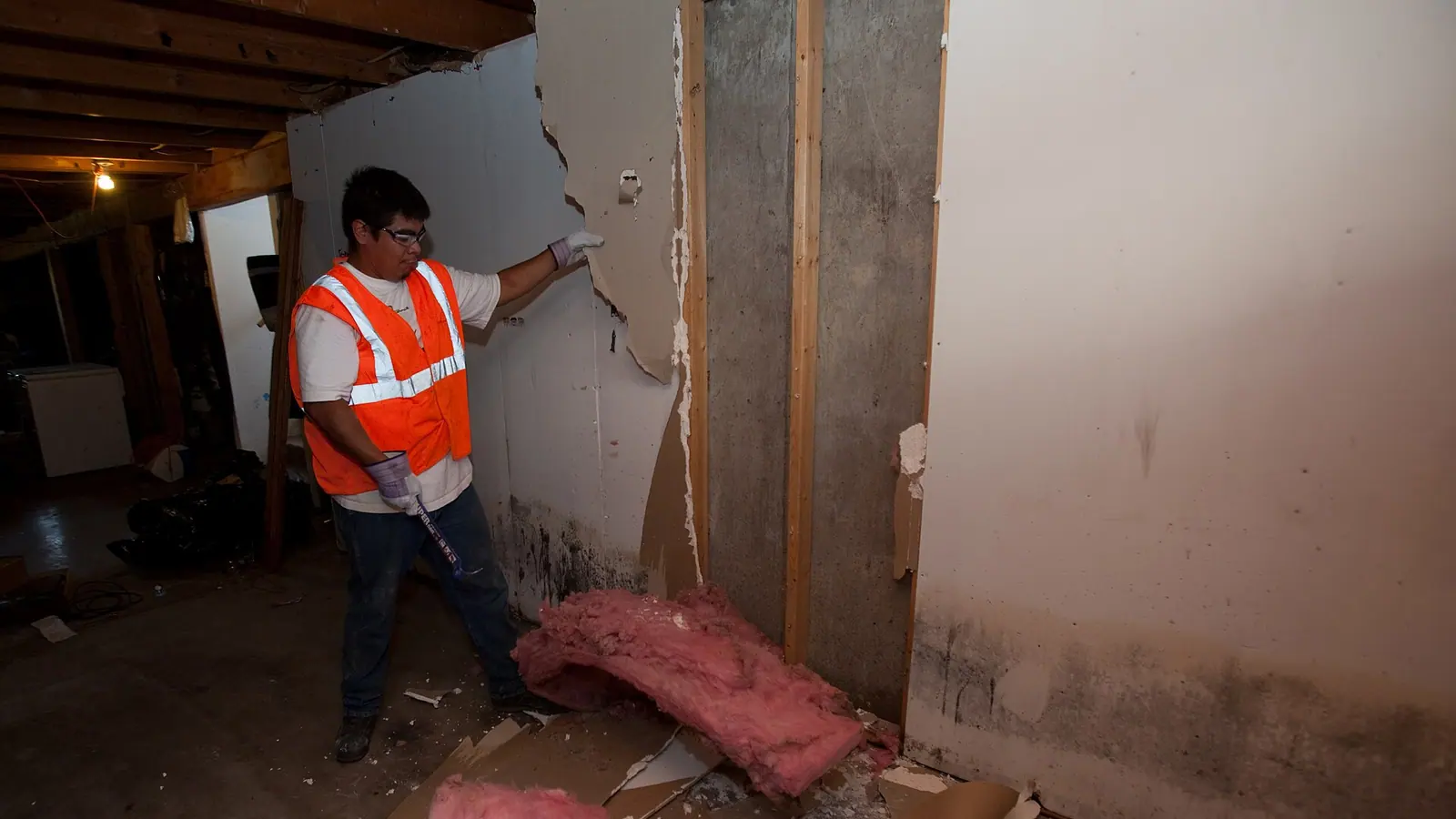

How to get rid of black mold: stop the water that feeds it, then scrub the mold off hard surfaces with detergent and water and dry them completely. That’s the EPA’s advice for any household mold, including the dark kind people call black mold. Small patches you can clean yourself. Large areas, or mold from sewage or floodwater, call for professional help.
Is black mold dangerous?
“Black mold” is a popular name, not a diagnosis. What the research does show is that damp, moldy homes are bad for breathing. A review of the evidence by Mendell and colleagues found indoor dampness or mold consistently linked with asthma that starts or worsens, wheeze, cough, respiratory infections, allergic rhinitis and eczema, in people with and without allergies. A 2004 Institute of Medicine report reviewed the same question and is still the reference work on damp buildings.
Black mold symptoms and mold poisoning symptoms
The symptoms of mold exposure are mostly allergy and airway symptoms: a stuffy or runny nose, sneezing, cough, wheeze and, in people with asthma, attacks. Our mold allergy guide covers them in detail.
“Mold poisoning” claims are another matter. A 2017 review by Borchers and colleagues concluded that “toxic black mold” syndrome rests on media hype rather than evidence, and that there is no scientific evidence that visible black mold in homes causes memory loss, poor focus, fatigue or headaches. That doesn’t make mold harmless; it means the real risks are allergy, asthma and, for people with weak immune systems, infection. If you have health concerns, the EPA suggests seeing a doctor before you start cleaning.
How to remove black mold from walls
The EPA’s cleanup guide says you can usually handle an area smaller than about 10 square feet yourself.
- Find and fix the water. A leak, condensation or poor ventilation is behind every patch. Cleaning without fixing it means the mold comes back.
- Protect yourself. The EPA suggests an N-95 respirator, gloves and goggles without vent holes.
- Scrub hard surfaces such as tile, sealed wood or painted walls with detergent and water.
- Dry everything completely. The EPA says mold won’t grow in most cases if wet materials are dried within 24 to 48 hours.
- Don’t paint or caulk over mold. It keeps growing underneath.
Drywall, ceiling tiles and carpet are harder. Mold grows into porous materials, and the EPA says they may have to be thrown away once they’re moldy. If the damage is large, or the water was sewage or floodwater, hire someone with mold experience.
How to get rid of mold in shower and bathroom
Bathrooms are damp by design, so some mold is common there. The EPA’s advice is simple: run the fan or open a window when you shower, wipe surfaces dry and clean more often. If mold keeps returning in the same spot, the room needs more ventilation, not stronger chemicals.
Mold in bathroom ceiling
Dark spots on a bathroom ceiling often start where shower steam condenses. The EPA treats condensation as a sign of high humidity and advises running the bathroom fan or opening a window when you shower, and keeping indoor humidity below 60%, ideally 30 to 50%, which a cheap humidity meter can check. Clean a painted ceiling like any hard surface. If the stain grows from a leak above, or the ceiling is soft drywall or tile, fix the leak first, because the EPA says porous materials may have to be replaced.
What kills black mold?
Killing mold isn’t enough. The EPA points out that dead mold can still cause allergic reactions, so it has to be physically removed. That’s why scrubbing with detergent comes first, and why the EPA does not recommend chlorine bleach as a routine part of mold cleanup.
If you choose a disinfectant anyway, ventilate the room and never mix bleach with ammonia or other cleaners. In a CDC survey, Gharpure and colleagues found only 58% of adults knew bleach and ammonia shouldn’t be mixed. Our guide to white vinegar for cleaning covers the vinegar question.
Black mold removal and remediation
“Remediation” is the industry word for mold cleanup and removal, usually done by a professional. The EPA says to consider professional help, or its remediation guide, when:
- mold covers more than about 10 square feet, or there was a lot of water damage;
- the water was sewage or other contaminated water;
- the heating and cooling system may be contaminated (don’t run it if you suspect mold inside, because it can spread spores through the house);
- you have health concerns, in which case see a health professional before any cleanup.
If you hire a contractor, the EPA says to choose one with mold experience, check references, and ask them to follow EPA or professional cleanup guidelines. A good contractor starts by finding the water source, because removal without a moisture fix doesn’t last.
Black mold testing
You usually don’t need it. The EPA says that when mold is visible, sampling is unnecessary, and there are no federal limits to compare results against. Testing makes sense when a professional is looking for hidden mold, for example after water damage with a musty smell but nothing visible. See home air quality testing for what home kits can and can’t tell you.
Keep it from coming back: keep indoor humidity below 60%, ideally 30 to 50%, as the EPA advises; a dehumidifier helps in basements. Our guide on how to clean a washing machine covers the door seal, another damp spot.
More in Home
Air Purifier for Allergies: HEPA, CADR and What to Avoid
How to choose an air purifier for allergies to dander, pollen and dust: what true HEPA means, sizing with CADR, avoiding ozone and what it can't do.
Best Vacuum for Allergies: Sealed HEPA Systems Explained
What makes the best vacuum for allergies: sealed HEPA systems, bagged vs bagless for dust mite and pet allergies, and how to vacuum without dust.
How to Reduce Allergens in Home: Free Room-by-Room Guide
How to reduce allergens in home, room by room: the bedroom, dust, dust mites, mold, pets and cleaning products, with a free printable checklist PDF.
Hypoallergenic Cleaning Products: What the Labels Mean
How to choose hypoallergenic cleaning products when fragrance or harsh chemicals bother your skin: EPA Safer Choice, gloves and mixes to avoid.
Sources & further reading
- U.S. Environmental Protection Agency — A Brief Guide to Mold, Moisture and Your Home: moisture control is the key to mold control; dry wet materials within 24 to 48 hours; keep humidity below 60%, ideally 30 to 50%; scrub mold off hard surfaces with detergent and water; bleach not recommended as a routine practice; never mix bleach with ammonia; wear an N-95 respirator, gloves and goggles; dead mold can still cause allergic reactions; sampling is usually unnecessary when mold is visible.
- U.S. Environmental Protection Agency — Mold Cleanup in Your Home: areas under about 10 square feet can be handled yourself; consult further guidance for larger areas or sewage-contaminated water; don't paint or caulk moldy surfaces; porous materials may have to be thrown away; run a fan or open a window in damp bathrooms.
- Environmental Health Perspectives — Mendell and colleagues, 2011: review of epidemiologic studies: indoor dampness or mold is consistently associated with asthma development and exacerbation, wheeze, cough, respiratory infections, allergic rhinitis, eczema and upper respiratory symptoms. DOI: 10.1289/ehp.1002410.
- Clinical Reviews in Allergy & Immunology — Borchers and colleagues, 2017: mold and human health review: molds cause disease mainly through allergy, asthma, hypersensitivity and infection; reports of 'toxic black mold' syndrome are not supported by scientific evidence. DOI: 10.1007/s12016-017-8601-z.
- National Academies Press (Institute of Medicine) — 2004: damp Indoor Spaces and Health: consensus report on the health effects of indoor dampness and mold. DOI: 10.17226/11011.
- MMWR Morbidity and Mortality Weekly Report — Gharpure and colleagues, 2020: among 502 US adults, only 58% knew bleach shouldn't be mixed with ammonia and 35% with vinegar. DOI: 10.15585/mmwr.mm6923e2.