How to Clean a Washing Machine: Mold, Smells and Seals
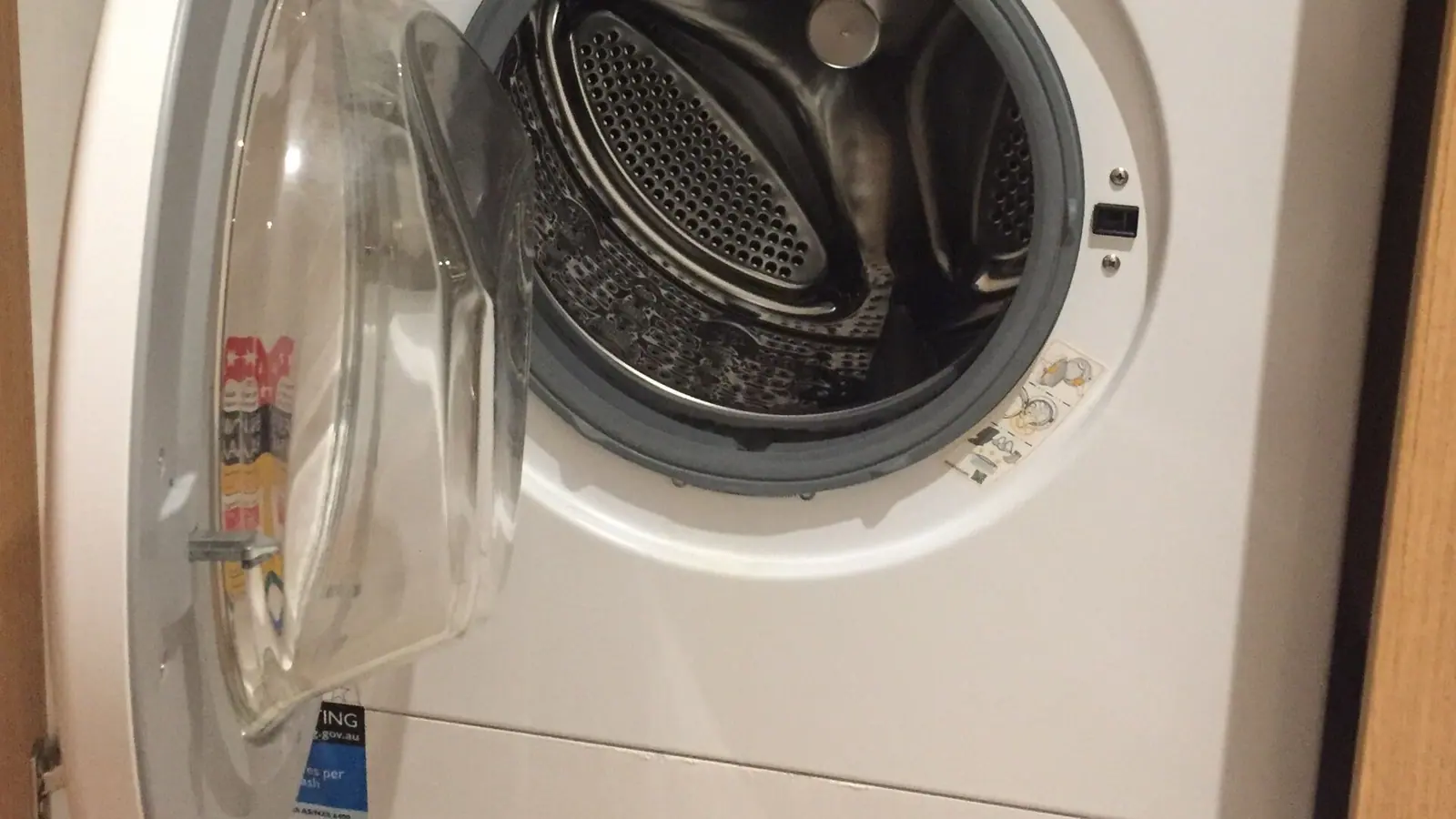

How do you clean a washing machine? Wipe out the rubber door seal and the detergent drawer by hand, then run an empty cleaning cycle with one cleaning product, following your manual. After that, leave the door and drawer open so the machine dries between washes. Mold needs moisture, so a machine that dries out gives it less to grow on.
Deep clean washing machine parts: where grime hides
Every wash leaves water, lint, skin cells, detergent and softener behind, and the warm, damp spots inside a washer feed microbes. In 70 home machines, Babič and colleagues found fungi in 79%, in samples from the detergent drawer and the rubber door seal, including species that can cause skin, nail or eye infections. Detergent and softener use, followed by wash temperature, were the factors that mattered most.
Jacksch and colleagues found the detergent drawer held the most varied bacteria, followed by the sump, lint and door seal. A hospital case shows why it matters: Schmithausen and colleagues traced a resistant bacterium that reached newborns’ clothes to a washer’s drawer and door seal, and pointed to water left standing in the machine. A home is not a newborn ward, but the weak spots are the same.
How to clean front load washing machine
Front loaders seal tightly, so moisture stays in.
- Door seal. Pull back the rubber gasket and wipe the folds with warm water and a little detergent. Remove hair, lint and any slimy film. Dry it with a cloth.
- Detergent drawer. Most slide out fully; check the manual. Rinse it in the sink and scrub the corners. Wipe the housing it sits in too.
- Filter. Many front loaders have a drain pump filter behind a small panel at the bottom. Put a towel down, drain it as the manual explains and rinse out lint.
- Cleaning cycle. Run the machine empty on its “tub clean” or hottest cycle with one product: a washer cleaner, chlorine bleach or oxygen bleach, at the amount the manual gives.
- Dry. Leave the door ajar and the drawer slightly open.
How to clean washing machine top loader
Clean the parts you can reach by hand first, then run the empty cycle.
- Wipe under the rim, the lid and the dispensers with warm water and a little detergent.
- If the agitator cap or fabric softener cup comes off, rinse it.
- Run the hottest, largest cycle empty with one cleaning product, as the manual directs. Some manuals suggest pausing to let it soak.
- Leave the lid open to dry.
Mold in washing machine
Black spots on a door seal are usually mold. The EPA says moisture control is the key to mold control: scrub mold off hard surfaces with detergent and water, dry them fully, and remember that dead mold can still cause allergic reactions, so it has to be removed, not just killed. Wear gloves. If mold comes back in the same spot right away, or the seal is torn or deeply stained, the gasket may need replacing. People with a mold allergy should consider having someone else do the scrubbing. For mold elsewhere in the house, see how to get rid of black mold.
Washing machine smells: what causes them
A sour or musty smell usually comes from bacteria. In machines with persistent odor, Babič and colleagues found bacteria, not fungi, dominated. And the stale “wet towel” smell in laundry dried indoors was traced by Kubota and colleagues to Moraxella osloensis, which tolerates drying.
To get rid of the smell:
- clean the seal, drawer and filter as above;
- take laundry out as soon as the cycle ends and dry it fully;
- use less detergent and skip fabric softener; Babič’s team found detergent and softener use were the main factors behind fungal growth;
- run a hot or oxygen-bleach wash from time to time. Bockmühl notes that low temperatures and bleach-free liquid detergents have made home laundry less hygienic. Jacksch’s team saw no simple “hotter is cleaner” effect inside the drawer, though, so hand cleaning still matters.
Washing machine cleaner: do you need one?
Store-bought washing machine cleaners are tablets, powders or liquids you run through an empty cycle. We found no independent studies comparing brands, so judge them by what the research says matters. In 13 home washers studied by Jacksch and colleagues, the number of washes at 60 °C (140 °F) or hotter each month was the only factor linked to the bacteria living in the machine, and more hot washes meant more varied bacteria in the detergent drawer, not fewer. So no product or temperature replaces wiping the seal and drawer by hand and leaving the door open to dry.
If you buy one, read the label. A product that claims to kill germs is registered by the EPA as a sanitizer or disinfectant, with a tested claim and directions to follow. A cleaner without that registration only cleans. If you react to fragrance, pick a fragrance-free product and run an extra rinse afterward.
How to clean washing machine with vinegar
Vinegar is a popular choice for the cleaning cycle, but we found no published studies of how well it cleans washing machines. If your manual allows it, use it on its own in an empty cycle. Its one firm rule: never combine vinegar with chlorine bleach, in the same cycle or one after the other without rinsing. In a 2020 US survey, Gharpure and colleagues found only 35% of adults knew bleach and vinegar shouldn’t be mixed.
How to clean washing machine with bleach
Chlorine bleach is the classic tub cleaner. Use the amount your manual gives, in an empty hot cycle, with no detergent, vinegar or other cleaner in the drum or dispensers. The EPA warns that bleach mixed with cleaners that contain ammonia releases toxic fumes. Open a window, and if you react to bleach fumes, use oxygen bleach instead; our oxygen bleach guide explains the difference.
How to sanitize washing machine parts between cleans
Follow the cleaning schedule in your manual, and clean sooner if you notice a smell or black spots. Wipe the door seal more often if you wash mostly on cool cycles. Between cleans, a fragrance-free hypoallergenic laundry detergent at the right dose leaves less to build up, and a laundry sanitizer is rarely needed once the machine itself is clean.
How to disinfect washing machine
Cleaning and disinfecting aren’t the same. The EPA explains that cleaning removes dirt and organic matter, while a registered disinfectant kills viruses and bacteria when you follow its label, including the contact time. For most homes, the hot bleach cycle above is enough. Disinfect when someone in the house has a stomach bug or a skin infection; our laundry sanitizer guide explains when extra hygiene is worth it. Use one product at a time and never mix bleach with vinegar or ammonia. If someone feels short of breath, coughs or gets a burning throat after mixing cleaners, move them to fresh air and call Poison Help at 1-800-222-1222, or 911 if breathing is hard.
More in Laundry
Hypoallergenic Laundry Detergent: How to Choose One
Hypoallergenic laundry detergent claims aren't checked by anyone. What to look for instead: fragrance-free formulas, full ingredient lists, right dose.
Hypoallergenic Fabric Softener and Dryer Sheets Explained
Hypoallergenic fabric softener and dryer sheets still coat clothes. Why that matters for sensitive skin, and gentler ways to soften and stop static.

Should You Wash New Clothes Before Wearing? Yes, Here's Why
Should you wash new clothes before wearing them? Yes: finishes, dyes and residues from making and shipping can irritate skin. Which ones matter most.

Wool Dryer Balls: A Fragrance-Free Swap for Dryer Sheets
Wool dryer balls add no fragrance or softener residue to clothes. What dryer sheets release, whether wool causes allergy, and how to use the balls well.
Sources & further reading
- Fungal Biology — Babič and colleagues, 2015: of 70 home washing machines sampled at the detergent drawer and rubber door seal, 79% had fungi, including species that can cause skin, nail or eye infections; detergents, softeners and washing temperature were the main factors; machines with persistent malodor were dominated by bacteria. DOI: 10.1016/j.funbio.2014.10.007.
- Microorganisms — Jacksch and colleagues, 2019: in 13 home washers, bacterial communities differed by site, with the highest diversity in the detergent drawer, then the sump, fibers and door seal; the number of monthly washes at 60 °C or more was the only factor linked to community structure. DOI: 10.3390/microorganisms8010030.
- Applied and Environmental Microbiology — Kubota and colleagues, 2012: moraxella osloensis, which tolerates drying and UV light, was the main bacterium behind the sour malodor of laundry dried indoors. DOI: 10.1128/AEM.07816-11.
- Applied and Environmental Microbiology — Schmithausen and colleagues, 2019: A hospital washer-extractor's detergent drawer and door seal harbored a resistant Klebsiella oxytoca clone that reached newborns' clothes; the authors call for machine designs that don't hold residual water. DOI: 10.1128/AEM.01435-19.
- Journal of Applied Microbiology — Bockmühl, 2017: review of laundry hygiene: lower temperatures and bleach-free liquid detergents reduce the antimicrobial effect of home laundering; discusses microbes in the washing machine and counteractions. DOI: 10.1111/jam.13402.
- U.S. Environmental Protection Agency — A Brief Guide to Mold, Moisture and Your Home: moisture control is the key to mold control; dry wet items within 24 to 48 hours; scrub mold off hard surfaces with detergent and water; never mix chlorine bleach with cleaners that contain ammonia; dead mold can still cause allergic reactions.
- MMWR Morbidity and Mortality Weekly Report — Gharpure and colleagues, 2020: among 502 US adults, only 35% knew bleach shouldn't be mixed with vinegar and 58% with ammonia; a quarter reported irritation they blamed on cleaners. DOI: 10.15585/mmwr.mm6923e2.
- U.S. Environmental Protection Agency — What's the difference between products that disinfect, sanitize and clean surfaces: cleaning removes dirt and organic matter; sanitizing kills bacteria; disinfecting kills viruses and bacteria; EPA registers sanitizers and disinfectants as antimicrobial pesticides; follow the label and contact time.