Laundry Sanitizer: Do You Need It With Sensitive Skin?
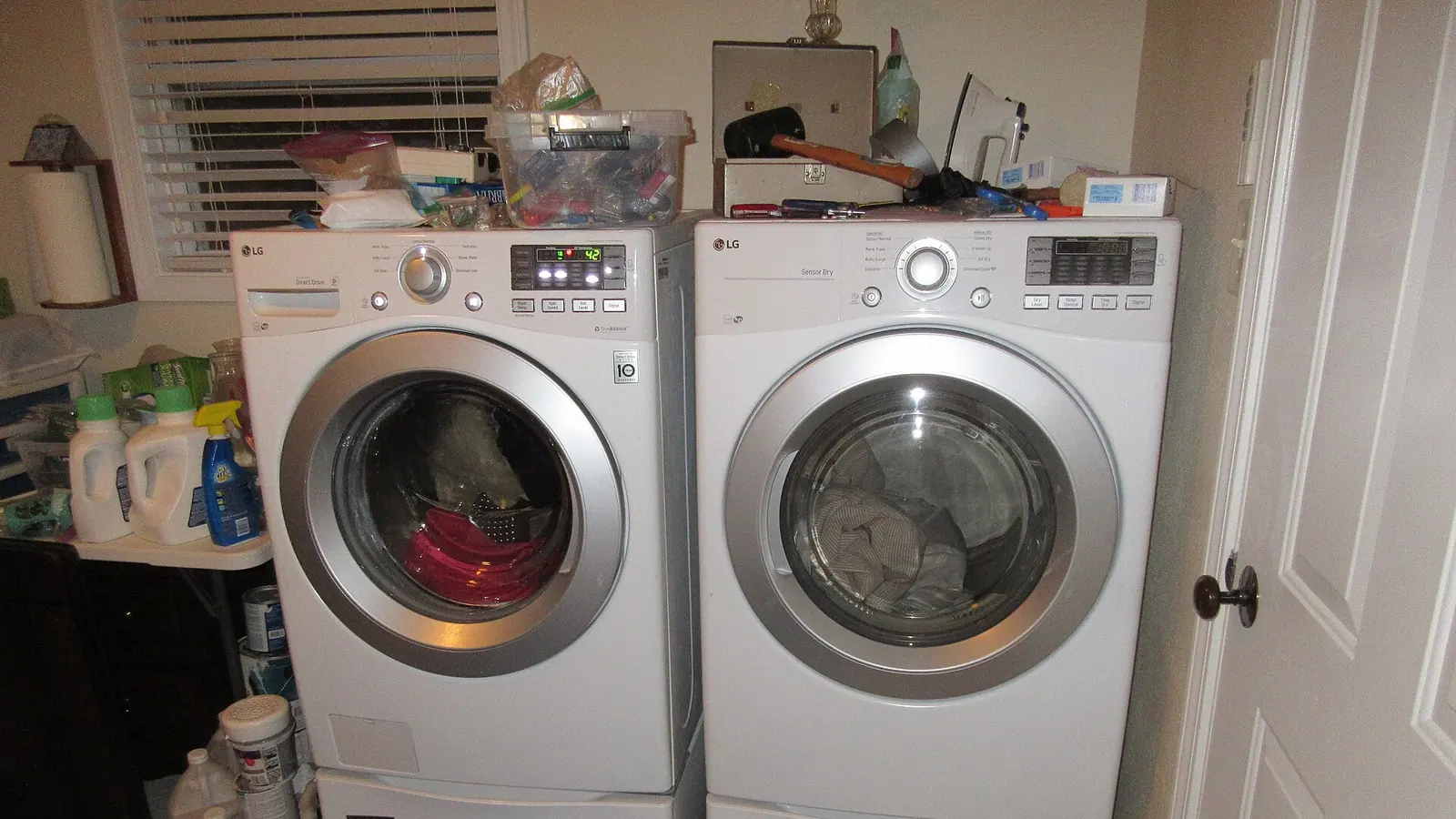

Do you need a laundry sanitizer? Usually not. A laundry sanitizer is an antimicrobial liquid added to the rinse to kill bacteria left on fabric. For everyday clothes, towels and bedding, a good wash and complete drying are the first tools: research reviews say how well a wash removes microbes depends on temperature, time and bleach. With sensitive skin, one more chemical left in the fabric is a cost worth weighing.
The products became popular during the pandemic. The EPA registers sanitizers and disinfectants as antimicrobial pesticides, and its definitions are a good place to start: cleaning removes dirt, sanitizing kills bacteria, and disinfecting kills viruses and bacteria. A sanitizer isn’t meant to kill viruses.
How to sanitize laundry without extra products
Germ removal in a home washer depends on four things: temperature, time, the detergent’s chemistry and dilution with water. In a review of laundry hygiene, Bockmühl explains that lower wash temperatures and liquid detergents without bleach have made home laundry less effective at killing microbes. You can make up for it without a sanitizer:
- Wash hotter when the fabric allows. In lab washes, Honisch and colleagues found the temperature needed to clear germs fell as cycles got longer.
- Use an oxygen-bleach detergent or booster for towels, underwear and bedding. In the same study, activated oxygen bleach improved germ removal even at the lowest temperatures, with one exception (the yeast Candida albicans). Our oxygen bleach guide covers how to use it.
- Dry fully and soon. The EPA advises drying wet items within 24 to 48 hours to prevent mold.
Laundry disinfectant vs laundry sanitizer
The labels aren’t interchangeable. Under the EPA’s definitions, a sanitizer only has to kill bacteria, while a disinfectant has to kill viruses and bacteria and meets a stricter testing bar. Many products are registered as both. Either way, what counts is the claim printed on the label and the contact time it lists, which is how long the product has to stay in contact to work.
How to use laundry sanitizer
If you decide to use one, follow the label exactly: where to add it, how much, and on which fabrics. The EPA stresses label directions and contact time for every registered product. A product added in the final rinse stays in the fabric instead of being washed out, which matters if your skin reacts easily. Don’t mix it with chlorine bleach or other cleaners unless the label says you can.
Is laundry sanitizer safe?
For most people, used as directed, yes. The concern with sensitive skin is what stays behind. Many household sanitizers and disinfectants rely on quaternary ammonium compounds, or quats. A 2023 review by Arnold and colleagues found human exposure to quats has risen since the pandemic and lists skin and respiratory effects among their suspected or known health effects. If you have eczema or contact dermatitis, it makes sense to keep leave-in products to a minimum. If you do use one:
- choose a fragrance-free version (scent is a separate, common trigger; see our fragrance page);
- use it only for the loads that need it, not every wash;
- run an extra rinse for clothes that touch eczema-prone skin.
Do you need laundry sanitizer for odors?
Sometimes “sanitizing” is really about smell. The sour, damp-cloth odor of laundry dried indoors has been traced to bacteria. Kubota and colleagues found Moraxella osloensis was the main culprit, and that it survives drying and UV light. Prompt, complete drying and a clean machine often fix it. See how to clean a washing machine, because the drum, door seal and detergent drawer can hold bacteria too.
How to get mildew smell out of clothes
A mildew or musty smell usually means clothes stayed damp too long, giving bacteria or mold time to grow. The EPA says mold usually won’t grow if wet things are dried within 24 to 48 hours, so move a load to the dryer or line as soon as the cycle ends. To rescue clothes that already smell:
- rewash them with your usual fragrance-free detergent and an oxygen bleach, which Honisch and colleagues found improved laundry hygiene even at low temperatures;
- use the warmest water the care label allows;
- dry them completely, in the dryer or in sun and moving air, and don’t fold them while damp.
If fresh loads keep coming out musty, the smell is probably coming from the machine. Perfumed sprays and scent boosters only cover the odor.
Laundry sanitizer vs bleach: when extra hygiene is worth it
There are times to step it up, for example when someone at home has a stomach bug or a skin infection, or for cloths used to clean up after illness. Industrial and hospital laundries use 60 °C (140 °F) or hotter plus bleach for this reason, Bockmühl notes. A German hospital outbreak described by Schmithausen and colleagues shows the stakes: a resistant bacterium living in a washing machine’s detergent drawer and door seal spread to newborns’ clothes until the machine was removed.
At home, the gentlest effective options are a hotter cycle on fabrics that can take it and an oxygen-bleach product. Chlorine bleach works on whites, but it must never be mixed with vinegar or ammonia, and in a 2020 US survey Gharpure and colleagues found only 35% of adults knew not to mix it with vinegar. Keep a laundry sanitizer for loads that can’t be washed hot, and pair it with a hypoallergenic laundry detergent so you aren’t adding fragrance on top.
More in Laundry
Hypoallergenic Laundry Detergent: How to Choose One
Hypoallergenic laundry detergent claims aren't checked by anyone. What to look for instead: fragrance-free formulas, full ingredient lists, right dose.
Hypoallergenic Fabric Softener and Dryer Sheets Explained
Hypoallergenic fabric softener and dryer sheets still coat clothes. Why that matters for sensitive skin, and gentler ways to soften and stop static.

Should You Wash New Clothes Before Wearing? Yes, Here's Why
Should you wash new clothes before wearing them? Yes: finishes, dyes and residues from making and shipping can irritate skin. Which ones matter most.

Wool Dryer Balls: A Fragrance-Free Swap for Dryer Sheets
Wool dryer balls add no fragrance or softener residue to clothes. What dryer sheets release, whether wool causes allergy, and how to use the balls well.
Sources & further reading
- U.S. Environmental Protection Agency — Cleaning removes dirt; sanitizing kills bacteria and is not intended to kill viruses; disinfecting kills viruses and bacteria; EPA registers sanitizers and disinfectants as antimicrobial pesticides; follow the label and its contact time.
- Journal of Applied Microbiology — Bockmühl, 2017: review: lower washing temperatures and bleach-free liquid detergents reduce the germ-killing effect of home laundry; discusses microbes in the washing machine and on textiles and suitable counteractions. DOI: 10.1111/jam.13402.
- Journal of Applied Microbiology — Honisch and colleagues, 2014: lab washes from 20 to 60 °C: the temperature needed to remove germs depended on cycle time and detergent; activated oxygen bleach improved hygiene even at the lowest temperatures (except for Candida albicans) and reduced cross-contamination. DOI: 10.1111/jam.12647.
- Environmental Science & Technology — Arnold and colleagues, 2023: critical review of quaternary ammonium compounds (QACs), used as antimicrobials in cleaning and disinfecting products: human exposure rose with the COVID-19 pandemic; suspected or known health effects include skin and respiratory effects. DOI: 10.1021/acs.est.2c08244.
- Applied and Environmental Microbiology — Kubota and colleagues, 2012: moraxella osloensis, which tolerates drying and UV light, was the main bacterium behind the sour malodor of laundry dried indoors. DOI: 10.1128/AEM.07816-11.
- Applied and Environmental Microbiology — Schmithausen and colleagues, 2019: in a German children's hospital, a washer-extractor's detergent drawer and door seal harbored a multidrug-resistant Klebsiella oxytoca clone that spread to newborns' clothes; colonizations stopped once the machine was removed. DOI: 10.1128/AEM.01435-19.
- MMWR Morbidity and Mortality Weekly Report — Gharpure and colleagues, 2020: among 502 US adults, only 35% knew bleach shouldn't be mixed with vinegar and 58% with ammonia; a quarter reported irritation they blamed on cleaners. DOI: 10.15585/mmwr.mm6923e2.
- U.S. Environmental Protection Agency — A Brief Guide to Mold, Moisture and Your Home: moisture control is the key to mold control; dry wet items within 24 to 48 hours to prevent mold growth.