How Often Should You Wash Your Sheets? Weekly, and Hot
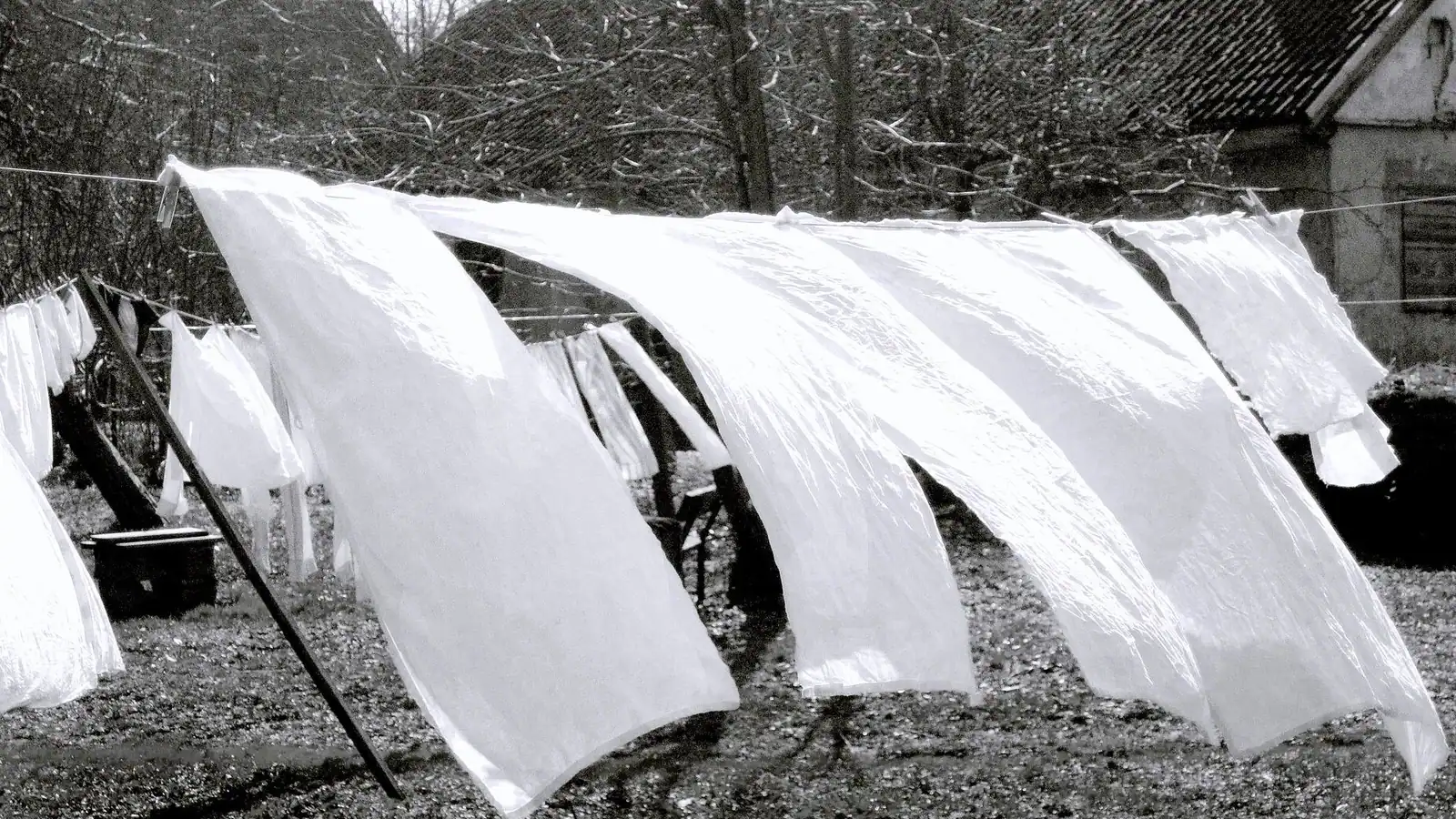

How often should you wash your sheets? Once a week. If you have a dust mite allergy or asthma, wash sheets and pillowcases weekly in hot water, around 60 °C (140 °F), which is what the NIEHS and the EPA advise. Without allergies, weekly is still a sensible rhythm, because skin flakes, sweat and skin bacteria build up on sheets within days.
What happens if you don’t wash your sheets?
Your bed is where dust mites live. They feed on the skin flakes people shed every night, and their droppings carry the allergen that triggers sneezing, a blocked nose, wheeze and itchy skin. Washing removes the allergen and, if the water is hot enough, kills the mites. Both US agencies recommend doing it every week for anyone with allergies or asthma.
Sheets also collect microbes fast. In a small study of 9 people sleeping on new polycotton sheets, Cayrou and colleagues found bacterial and fungal counts climbed from the first night to the end of the first week and then held steady for the rest of the month. Most were ordinary skin staphylococci. That doesn’t make week-old sheets dangerous, but it shows why a weekly change is a reasonable default.
What temperature to wash sheets
Heat is what kills mites. Detergent alone doesn’t.
| Wash temperature | Mites killed | Mite allergen left on sheets |
|---|---|---|
| 30 °C (86 °F) | 6.5% | 26.8% |
| 40 °C (104 °F) | 9.6% | 2.4% |
| 60 °C (140 °F) | 100% | 1.3% |
Figures from Choi and colleagues, who washed mite-contaminated sheets in a machine. Steam cycles also killed all mites.
McDonald and Tovey found the same threshold: every mite died once the water reached 55 °C (131 °F), and adding laundry products didn’t improve killing at lower temperatures.
If your sheets can’t take hot water, a cool wash still helps. A cold wash in the McDonald and Tovey study removed more than 90% of the allergen even though most mites survived. In home machines, Arlian and colleagues found warm or cold washes removed about 84% of the allergen, and 98% when bleach was added. Choi’s team found an extra rinse helped most after a cool wash. Tovey and colleagues found detergent pulled out more allergen than soap or plain water, most of it within the first 5 minutes, and the 11 brands they tested worked about the same. A fragrance-free hypoallergenic laundry detergent is enough.
How often to wash comforter, blankets and pillows: a schedule
| Item | How often | Notes |
|---|---|---|
| Sheets and pillowcases | Weekly | Hot (55 to 60 °C) if the care label allows |
| Duvet or comforter cover | Weekly, with the sheets | A cover protects the comforter itself |
| Blankets | Weekly for allergies (NIEHS) | Freeze non-washable ones overnight |
| Pillows | Regularly, per the care label | See how to wash pillows |
| Comforter | Regularly, if it fits your machine | See hypoallergenic comforter |
| Mattress and pillow encasements | Per the care label | See dust mite mattress cover |
Pillows deserve attention too. Woodcock and colleagues cultured 10 used pillows and found 4 to 16 kinds of fungi in each, including the mold Aspergillus fumigatus in every one. A dust mite pillow cover under the pillowcase, plus regular pillow washing or replacement, keeps that reservoir away from your face.
Tips that make the weekly wash work.
- Own two sets. Swapping straight to a clean set makes weekly changes easy.
- Wash bedding on its own. Arlian’s team saw live mites move from infested items onto clean ones in the same load.
- Dry completely. The EPA advises drying bedding fully; a hot dryer cycle adds more heat.
- Choose sheets that survive hot water. Our guide to hypoallergenic sheets explains why washability matters more than fiber.
- Wash more often if pets sleep on the bed. Pet allergen settles in bedding too: Custovic and colleagues measured cat and dog allergen in pillows that had been used for years. See how to reduce pet allergies.
For the rest of the bedroom routine, see how to get rid of dust mites in bed and our hypoallergenic bedding guide.
More in Bedding
Dust Mite Mattress Cover: What to Look For in Encasements
A dust mite mattress cover is the core of bedroom mite control. What pore size, zippers and breathability mean, and what studies say covers can do.
Hypoallergenic Pillows: What the Fill Really Changes
Hypoallergenic pillows usually just have a synthetic fill. What fill changes for dust mite and feather allergies, and the washing habits that matter.

How to Get Rid of Dust Mites in Bed: A Washing Checklist
How to get rid of dust mites in bed: the water temperature that kills them, how often to wash, and the bedroom changes that cut mite allergen.
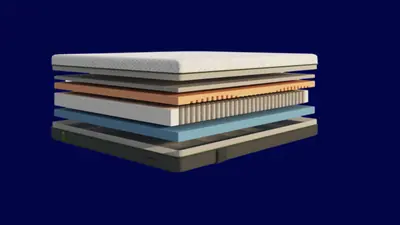
Hypoallergenic Mattress: What Actually Lowers Dust Mites
Hypoallergenic mattress guide: why mattresses hold the most dust mite allergen, research on surface fabric, age and humidity, and what really helps.
Sources & further reading
- National Institute of Environmental Health Sciences (NIH) — advice to wash all bedding and blankets once a week in hot water at 130 to 140 °F and to freeze non-washable items overnight.
- U.S. Environmental Protection Agency — asthma trigger advice to wash bedding in hot water weekly, dry it completely and use dust-proof covers on pillows and mattresses.
- Journal of Allergy and Clinical Immunology — McDonald and Tovey, 1992: laundry study in which all mites died at 55 °C or hotter, while a cold wash left most mites alive but removed over 90% of the allergen. DOI: 10.1016/0091-6749(92)90132-l.
- Annals of Allergy, Asthma & Immunology — Choi and colleagues, 2008: sheet-washing test: 30 °C and 40 °C killed 6.5% and 9.6% of mites, 60 °C and steam killed all, and allergen left fell to 1.3% at 60 °C. DOI: 10.1016/s1081-1206(10)60060-9.
- Journal of Allergy and Clinical Immunology — Arlian and colleagues, 2003: home washing machine study: warm or cold washes removed about 84% of mite allergen and 60% to 83% of live mites, and mites spread to clean items in the same load. DOI: 10.1067/mai.2003.1547.
- Journal of Allergy and Clinical Immunology — Tovey and colleagues, 2001: laundering test in which detergent removed more mite and cat allergen than soap or water, most of it within 5 minutes, with no difference between 11 detergent brands. DOI: 10.1067/mai.2001.117799.
- Letters in Applied Microbiology — Cayrou and colleagues, 2026: small study of 9 sleepers in which bacteria and fungi on sheets rose through the first week, then held steady, mostly skin staphylococci. DOI: 10.1093/lambio/ovag078.
- Pediatric Allergy and Immunology — Custovic and colleagues, 2000: cat and dog allergen measured in synthetic and feather pillows used on the same beds for at least 2 years. DOI: 10.1034/j.1399-3038.2000.00072.x.
- Allergy — Woodcock and colleagues, 2005: 10 used pillows each grew 4 to 16 fungal species, with Aspergillus fumigatus in every one, pointing to bedding as a source of mold exposure. DOI: 10.1111/j.1398-9995.2005.00941.x.