Hypoallergenic Hoop Earrings: Plating, Gold and Huggies
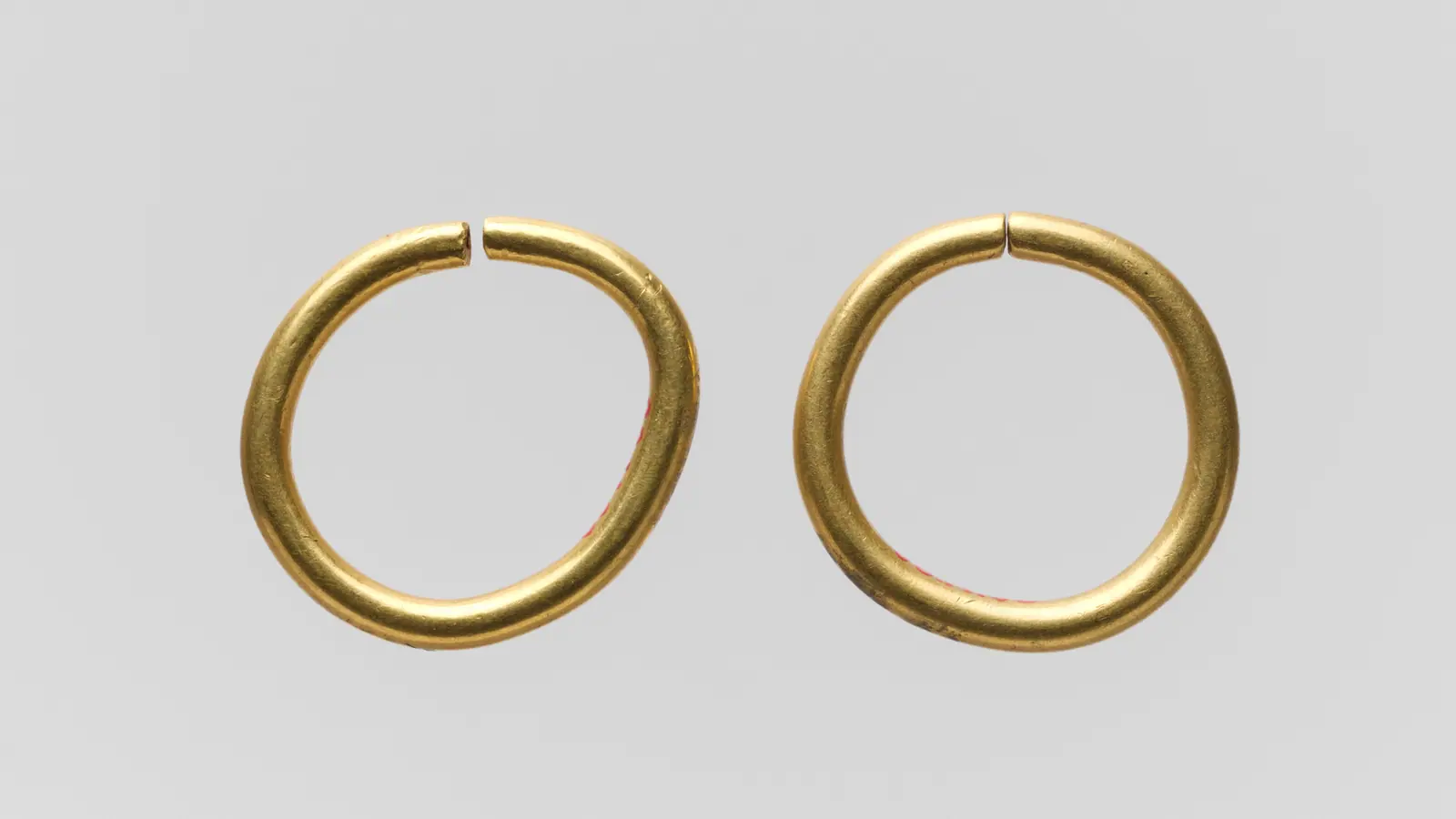
What are the best hypoallergenic hoop earrings? Hypoallergenic hoop earrings are made of solid metal that releases little nickel all the way through the part that passes through your piercing, such as a low-sulfur 316L steel, which released almost no nickel in sweat tests, or another solid metal of a stated grade or karat. The usual problem with hoops is plating: a shiny gold layer over a nickel-containing base can wear thin where the wire rubs inside the piercing, and then the itching starts.
Hypoallergenic gold hoop earrings: why plated hoops start itching
A hoop’s wire moves in the piercing every time you turn your head, which is where plating takes the most friction. When Lidén and colleagues patch tested 100 nickel-allergic people, a nickel underlayer beneath gold, silver or chromium plating could still trigger reactions, and ear jewelry was among the items most often blamed for dermatitis.
The gap between plating and a good base metal is large. In artificial sweat, Haudrechy and colleagues measured about 100 µg/cm²/week of nickel from nickel-plated samples, and 96% of nickel-allergic patients reacted to them. Low-sulfur 304 and 316L stainless steels released under 0.03 µg/cm²/week and caused no reactions.
Gold hoop earrings: what the gold words legally mean
U.S. rules in the FTC jewelry guides set minimum thicknesses:
| Label | Minimum under FTC guides |
|---|---|
| Gold plated, gold electroplate | At least 10 karat gold, 0.175 microns thick |
| Heavy gold electroplate | 2.5 microns |
| Vermeil | 2.5 microns, over sterling silver |
| Sterling silver | At least 925 parts per 1,000 silver |
| Gold alloy | Must be marked with its karat fineness, such as 14K |
A thicker layer lasts longer, but any plating can wear through, and the label says nothing about what the base metal releases. Hypoallergenic gold hoop earrings, a popular search, should be solid gold of a stated karat rather than plated; our guides to hypoallergenic gold earrings and is 14k gold hypoallergenic cover karats.
Nickel free hoop earrings: where you buy matters
Inexpensive hoops are where most nickel turns up. In Copenhagen, years after Denmark regulated nickel, Thyssen and colleagues found 14.8% of inexpensive earrings for women released excessive nickel, and 36% of the stores sampled sold at least one positive item. In Korea, Cheong and colleagues found nickel release in 12.4% of branded jewelry versus 70.8% of non-branded jewelry. Nickel allergy remains common: Ahlström and colleagues estimate it still affects about 8% to 19% of European adults, with jewelry a main cause.
Watch out for dark hoops and cobalt. Black, gunmetal and dark gray hoops have their own issue. In Thailand, Boonchai and colleagues found 37.4% of 551 used costume jewelry items released cobalt, and cobalt-releasing pieces could often be spotted by their dark color. In Denmark, Thyssen and colleagues found cobalt release in only 4 of 354 items, all dark pieces with a tin-cobalt plating. Cobalt allergy is less common than nickel allergy but may be rising: at one Danish clinic, Carøe and colleagues saw it climb from 3.7% to 5.1% as nickel allergy fell.
Hypoallergenic huggie earrings
Hypoallergenic huggie earrings follow the same rules. A huggie is a small, snug hoop that hugs the lobe, usually with a hinged post that clicks into place. That hinged section is the part inside the piercing, so it should be the same solid metal as the rest, not a plated insert.
Titanium hoop earrings and other solid choices: how to buy
- Ask what the wire is made of, and whether it’s solid or plated.
- Prefer solid metal for hoops you’ll wear daily: a stated gold karat, titanium, niobium or 316L steel.
- Be careful with dark finishes if you’ve reacted to jewelry before.
- For nickel-free hoop earrings, see what that phrase can and can’t promise in nickel-free earrings.
Related guides
If your ears react to most earrings, read earrings for sensitive ears. For every style, start with hypoallergenic earrings.
More in Jewelry
Hypoallergenic Earrings: Metals That Avoid Nickel
Hypoallergenic earrings explained: which metals avoid nickel, how to read the label, and what to ask a seller before you buy a pair for sensitive ears.
Titanium vs Surgical Steel: Which Suits Sensitive Skin?
Titanium vs surgical steel for nickel allergy: grades, nickel content, ASTM implant specifications, cost, and when each metal makes sense for your skin.
Is Sterling Silver Hypoallergenic? What Nickel Allergy Means
Is sterling silver hypoallergenic? Usually low in nickel, but plating, cheap alloys and tarnish complicate it. When silver suits sensitive skin.
Is 14k Gold Hypoallergenic? Karats, Alloys and Nickel
Is 14k gold hypoallergenic? Pure gold rarely causes reactions, but its alloy metals can. How karat, white or rose color and plating change nickel risk.
Sources & further reading
- British Journal of Dermatology — Lidén and colleagues, 1996: in 100 nickel-allergic people, a nickel underlayer beneath gold, silver or chromium plating could still trigger reactions; ear jewelry was among the commonest causes. DOI: 10.1111/j.1365-2133.1996.tb07601.x.
- Contact Dermatitis — Haudrechy and colleagues, 1994: nickel plating released about 100 µg/cm²/week in artificial sweat and caused reactions in 96% of nickel-allergic patients; low-sulfur 304 and 316L steels released under 0.03 and caused none. DOI: 10.1111/j.1600-0536.1994.tb01997.x.
- U.S. Federal Trade Commission (16 CFR Part 23, via govinfo) — 2025: gold plated requires at least 10 karat gold at 0.175 microns; heavy gold electroplate and vermeil require 2.5 microns, vermeil on sterling silver; sterling must be at least 925/1,000 silver.
- Science of The Total Environment — Thyssen and colleagues, 2009: 14.8% of inexpensive Copenhagen earrings released excessive nickel, and 36% of stores sold at least one positive item. DOI: 10.1016/j.scitotenv.2009.06.034.
- Contact Dermatitis — Cheong and colleagues, 2013: 47.8% of 471 Korean jewelry items released nickel: 12.4% of branded versus 70.8% of non-branded. DOI: 10.1111/cod.12141.
- Dermatitis — Boonchai and colleagues, 2015: of 551 used costume jewelry items in Thailand, 39.2% released nickel and 37.4% cobalt; cobalt-releasing pieces could be recognized by their dark color. DOI: 10.1097/der.0000000000000100.
- Contact Dermatitis — Thyssen and colleagues, 2010: only 4 of 354 inexpensive Danish items released cobalt, all dark-looking pieces with tin-cobalt plating. DOI: 10.1111/j.1600-0536.2010.01752.x.
- Contact Dermatitis — Ahlström and colleagues, 2019: nickel allergy still affects about 8% to 19% of European adults, and jewelry remains a main cause. DOI: 10.1111/cod.13327.
- Contact Dermatitis — Carøe and colleagues, 2011: nickel allergy in young female dermatitis patients fell from 29.8% to 19.6% after Denmark regulated nickel, while cobalt allergy rose from 3.7% to 5.1%. DOI: 10.1111/j.1600-0536.2010.01832.x.