Hypoallergenic Pads: Period Pads for Sensitive Skin
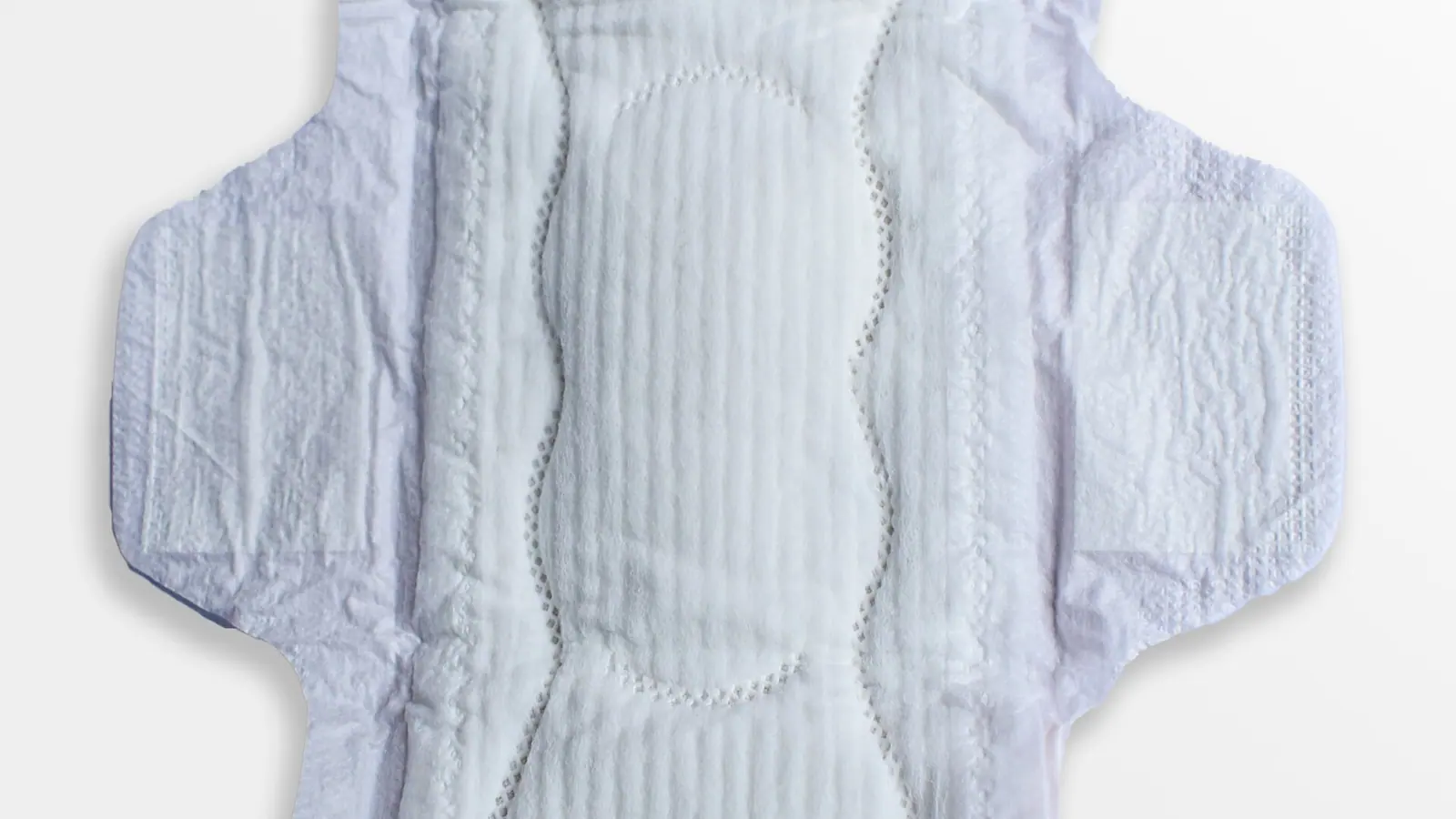

What are hypoallergenic pads? Hypoallergenic pads are period pads made to lower the chance of a skin reaction, usually by leaving out fragrance, deodorant and added lotions. There’s no official standard for the word, so check the package for “unscented” or “fragrance free.” The FDA notes that some women react to scents, deodorants or other materials added to pads, and that wearing a pad too long can irritate the skin.
Pad rashes are common, and many are irritation rather than allergy. Knowing which one you have tells you what to change.
Pad rash: irritation or allergy?
| Irritation | Allergy | |
|---|---|---|
| Cause | Heat, moisture and friction under the pad | An ingredient, most often fragrance |
| Where | Where the pad rubs and stays wet | Where the pad touches, sometimes spreading |
| When | During long wear, worse on heavy days | Builds over 1 to 2 days and returns with the same product |
| Fix | Change more often, breathable pads | Avoid the ingredient; patch testing finds it |
Vulvar skin is thin, and under a warm, wet pad it takes friction and moisture badly. A Japanese report in the Journal of Dermatology describes pad dermatitis that standard patch tests on the arm failed to reproduce, pointing to these local conditions. MedlinePlus explains the difference between irritant and allergic contact dermatitis, and that an allergy usually shows 24 to 48 hours after contact.
Allergic to pads? The usual causes
Allergies to pads are less common, but they happen:
- Fragrance. In a study of 90 women with vulvar symptoms published in Dermatitis, 39% had a relevant allergy on patch testing, and fragrances were among the leading causes. A systematic review in BJOG found fragrance chemicals in menstrual products.
- Adhesives. A teenager’s recurring vulvar rash was traced to colophony (rosin), a sticky resin, in her pads (Australasian Journal of Dermatology). Our contact dermatitis guide covers other places colophony turns up, such as adhesive tapes.
- A specific product. A Canadian case series in CMAJ followed 28 women with vulvar itching and burning after using one brand of pads; symptoms cleared in 26 when they stopped and came back in 7 who tried it again.
Pads for sensitive skin: how to choose
- Unscented, with no deodorant or lotion strip. Our fragrance allergy guide explains how fragrance hides on labels.
- Breathable backing. A review in Archives of Gynecology and Obstetrics found no significant skin problems with modern pads in trials on several continents, and that vapor-permeable backings reduce the build-up of moisture and heat.
- Change often. The FDA advises changing pads every few hours, even on light days, and more often when flow is heavy.
If pads keep bothering you, some people do better with internal products; our guide to organic tampons explains what organic does and doesn’t change.
Organic pads and reusable pads
Organic pads use organically grown cotton for the top layer or the whole pad. That can suit people who want fewer synthetic materials, but no study has shown that organic cotton itself prevents pad rashes; the review above found no significant skin problems with modern conventional pads either. For sensitive skin, being unscented counts for more than being organic.
Reusable pads and period underwear are also regulated by the FDA, which advises following the cleaning instructions and not reusing them beyond the maker’s recommendations. Wash them with a hypoallergenic laundry detergent if scented detergent bothers your skin.
When to see a doctor: the FDA says to stop using a pad and contact your healthcare provider if you have itching, rash, pain, swelling or discomfort. A rash that keeps coming back after you’ve switched to unscented pads deserves a visit, since yeast infections and other conditions can cause vulvar itching too (MedlinePlus), and a dermatologist can patch test to find an allergy.
Organic cotton pads
The FDA’s advice applies to organic cotton pads like any other pad: change them every few hours, since wearing a pad too long can irritate the skin, and stop using one that causes itching, rash or swelling (FDA). Choose unscented organic pads; scents and deodorants added to pads are what some women react to.
More in Personal care
Hypoallergenic Sunscreen: Mineral vs Chemical Filters
Hypoallergenic sunscreen: why zinc oxide and titanium dioxide rarely cause allergy, which chemical filters react most, and how to read Drug Facts.
Hypoallergenic Hair Dye: PPD-Free Options and the Skin Test
Hypoallergenic hair dye and PPD-free claims: what causes hair dye allergy, how to do the skin test on the label, and when to see a doctor before you color.
Hypoallergenic Deodorant: How to Choose for Sensitive Skin
Hypoallergenic deodorant for sensitive underarms: why fragrance causes most reactions, deodorant vs antiperspirant, baking soda, and what to use instead.

Hypoallergenic Shampoo: Ingredients to Avoid and How to Pick
Hypoallergenic shampoo: what the label really means, common allergens such as fragrance and preservatives, signs of a reaction, and how to choose.
Sources & further reading
- U.S. Food and Drug Administration — Menstrual pads and liners: change pads every few hours, wearing a pad too long may irritate the skin, some women react to scents, deodorants or other materials added to pads; stop and contact a provider for itching, rash, pain or swelling.
- Dermatitis — O'Gorman and Torgerson, 2013: of 90 women with vulvar symptoms who were patch tested, 39% had a relevant allergy; fragrances, medicines such as benzocaine, and preservatives were the most relevant. DOI: 10.1097/DER.0b013e318284da33.
- Australasian Journal of Dermatology — Rademaker, 2004: case report: recurring vulvar dermatitis from a sanitary pad, with a strong patch test reaction to colophony (rosin). DOI: 10.1111/j.1440-0960.2004.00105.x.
- CMAJ — Eason and Feldman, 1996: case series of 28 women with vulvar itching and burning after using one brand of sanitary pads; symptoms went away in 26 after they stopped, and came back in 7 who used it again.
- Journal of Dermatology — Wakashin, 2007: sanitary pad dermatitis of the vulva: thin genital skin under a warm, wet pad reacts to friction and moisture, and standard patch tests on the arm can miss it. DOI: 10.1111/j.1346-8138.2007.00395.x.
- Archives of Gynecology and Obstetrics — Farage and colleagues, 2007: review of clinical trials of sanitary pads on several continents: no significant adverse skin effects with modern pads, and vapor-permeable backings reduce skin hydration and temperature effects. DOI: 10.1007/s00404-006-0273-5.
- BJOG: An International Journal of Obstetrics and Gynaecology — Marroquin and colleagues, 2024: systematic review of 15 papers: phthalates, VOCs, parabens, phenols, fragrance chemicals and dioxin-like compounds were detected in menstrual products. DOI: 10.1111/1471-0528.17668.
- MedlinePlus (U.S. National Library of Medicine) — Contact dermatitis: irritant vs allergic types; an allergy usually shows 24 to 48 hours after contact; patch testing finds the cause.