Hypoallergenic Body Wash: What to Check on the Label
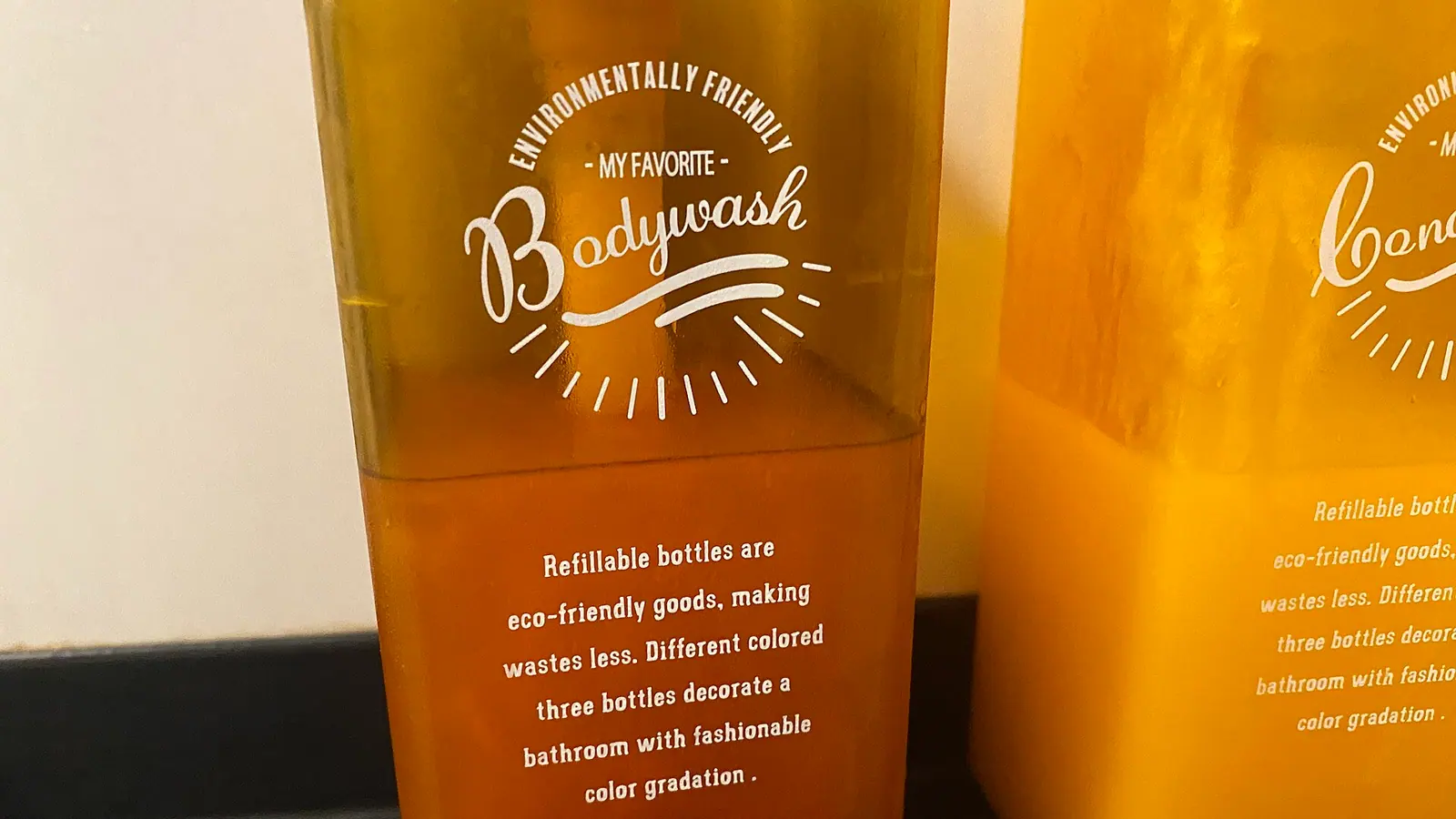

What makes a body wash hypoallergenic? Legally, nothing: the FDA says “hypoallergenic” has no federal definition and means whatever the company wants it to mean. A truly gentle hypoallergenic body wash is fragrance-free, skips the preservative methylisothiazolinone, and is a mild synthetic cleanser rather than an alkaline soap. Those three checks on the ingredient list do more for sensitive skin than any claim on the front of the bottle.
Body wash for sensitive skin: what “hypoallergenic” means
The FDA is blunt: there are no federal standards for the word, companies don’t have to prove the claim, and a court struck down the agency’s earlier attempt to define it. Products labeled “for sensitive skin” don’t fare much better in testing. When Baranda and colleagues tested 29 cleansers on 30 people with sensitive skin, most products marketed for sensitive or dry skin still caused considerable irritation.
So read the ingredient list. Our what does hypoallergenic mean explainer covers the label claim in more depth.
Check 1: a fragrance free body wash
Fragrance is a common cause of skin allergy. In the latest North American Contact Dermatitis Group data, Houle and colleagues found 10.1% of 3,056 patch-tested patients reacted to hydroperoxides of linalool, an oxidized form of a fragrance ingredient found in many scented products.
Look for “fragrance-free” rather than “unscented,” and check that “fragrance,” “parfum” or essential oils aren’t on the list. The fragrance page explains the difference.
Check 2: no methylisothiazolinone
Methylisothiazolinone (MI) is a preservative used in many water-based products, body washes included. It was the most common allergen after nickel in the same North American data, at 11.5%. It was named Contact Allergen of the Year in 2013, and Castanedo-Tardana and Zug note that testing only with the older MCI/MI mix misses about 40% of MI allergy.
A rinse-off product isn’t automatically safe. In a study across 8 European countries, Schwensen and colleagues found that 38.9% of people allergic to MI through cosmetics had used only rinse-off products such as washes and shampoos. Our preservatives page lists MI’s other label names.
Check 3: what is a syndet, and why not soap?
Many liquid body washes are synthetic detergents (“syndets”) formulated close to skin’s slightly acidic pH, while traditional soap is alkaline. That difference shows up on the skin:
- In 40 babies, Gfatter and colleagues found an alkaline soap (pH 9.5) raised skin pH more than water or two pH 5.5 syndets, and removed about five times more skin fat than water.
- In adults washing twice a day for four weeks, Korting and colleagues measured skin pH about 0.3 units higher with soap than with a syndet.
- Baranda’s team found irritation tracked product pH, and the least irritating cleansers were mostly syndets.
If you prefer a bar, a syndet bar works the same way; see hypoallergenic soap.
Cocamidopropyl betaine allergy
Cocamidopropyl betaine (CAPB) is a mild foaming agent in many body washes, shampoos and liquid soaps. Its allergy record is mixed. Jacob and Amini report that impurities left over from manufacturing are thought to cause many reactions. In a German network of 83,864 patients, Schnuch and colleagues found 2.16% tested positive, but results reproduced poorly on retesting, and the authors concluded true allergy is very rare. Our cocamidopropyl betaine guide covers the impurities behind reactions and how to avoid it.
Most people don’t need to avoid CAPB. If a patch test has shown you’re allergic to it, choose a wash without it.
Why does my body wash make me itch?
Stop using it and switch to a simple, fragrance-free wash with a short ingredient list. Use lukewarm water and a small amount of product, then moisturize; our fragrance-free moisturizer guide can help. If the rash keeps coming back, a dermatologist can patch test you to find the exact ingredient, so you know what to avoid on every label. See patch test skincare for how that works.
More in Skincare
What Does Hypoallergenic Mean on a Label? The Legal Answer
What does hypoallergenic mean? In the US it has no legal definition for cosmetics, detergents or jewelry. What the FDA says and which signals count.
Fragrance Free vs Unscented: Why the Difference Matters
Fragrance free vs unscented: unscented products can hide masking fragrance, and fragrance-free ones may still contain scented plant oils. Read the label.
Fragrance Free Moisturizer for Sensitive Skin: How to Choose
How to choose a fragrance free moisturizer for sensitive or eczema-prone skin: ointments vs creams, barrier-repair ingredients and common irritants.
Hypoallergenic Makeup for Sensitive Eyes: What to Look For
Hypoallergenic makeup for sensitive eyes: how to choose mascara, liner and shadow when your eyelids itch or water, and the hygiene habits that matter most.
Sources & further reading
- U.S. Food and Drug Administration — There are no federal standards or definitions for 'hypoallergenic'; it means whatever a company wants it to mean, and makers don't have to prove the claim to FDA.
- Dermatitis — Houle and colleagues, 2025: in 3,056 patients patch tested at 12 North American centers (2021-2022), methylisothiazolinone was the most common positive after nickel (11.5%) and hydroperoxides of linalool reached 10.1%. DOI: 10.1089/derm.2024.0474.
- Contact Dermatitis — Schwensen and colleagues, 2017: in 8 European countries, 6.0% of patch-tested patients reacted to methylisothiazolinone; 38.9% of those exposed through cosmetics had used only rinse-off products such as washes and shampoos. DOI: 10.1111/cod.12733.
- Dermatitis — Castanedo-Tardana and Zug, 2013: methylisothiazolinone was named 2013 Contact Allergen of the Year; testing only with the MCI/MI mix misses about 40% of MI allergy. DOI: 10.1097/DER.0b013e31827edc73.
- Dermatology — Gfatter and colleagues, 1997: in 40 infants, alkaline soap (pH 9.5) raised skin pH and removed far more skin fat than water or two pH 5.5 synthetic detergents. DOI: 10.1159/000245955.
- International Journal of Dermatology — Baranda and colleagues, 2002: testing 29 cleansers on 30 people with sensitive skin, the least irritating were mostly syndets, irritation tracked product pH, and most 'sensitive skin' products still irritated considerably. DOI: 10.1046/j.1365-4362.2002.01555.x.
- Acta Dermato-Venereologica — Korting and colleagues, 1987: in a 4-week crossover trial, skin pH averaged 0.3 units higher when adults washed with soap than with a synthetic detergent. DOI: 10.2340/00015555674147.
- Contact Dermatitis — Schnuch and colleagues, 2011: of 83,864 patients patch tested with cocamidopropyl betaine, 2.16% reacted, but results reproduced poorly; most positives are probably false and true allergy very rare. DOI: 10.1111/j.1600-0536.2010.01863.x.
- Dermatitis — Jacob and Amini, 2008: cocamidopropyl betaine is a mild surfactant in shampoos, bath gels and liquid soaps; manufacturing impurities are thought to drive many reactions. DOI: 10.2310/6620.2008.06043.